B.Tech Computer Science Engineering Admission 2026 – Eligibility, Syllabus, Career Scope & Future Opportunities
B.Tech Computer Science Engineering continues to be the most in-demand engineering program in India for 2026 admissions. From software development and artificial intelligence to cloud computing and cybersecurity, CSE opens doors across industries. This guide explains admission criteria, syllabus structure, career paths, and why Computer Science remains a future-proof choice for engineering aspirants.
Computer Science Engineering is no longer just about coding. In today’s technology-driven world, it sits at the center of innovation across almost every sector. Whether it is healthcare systems, fintech platforms, smart cities, e-commerce, or artificial intelligence, Computer Science engineers are building the backbone of modern India.
For students planning B.Tech Computer Science Engineering admission in 2026, understanding what the program truly offers is far more important than simply following trends. This blog breaks down the reality of the course, the learning journey, and the long-term career scope.
What Is B.Tech Computer Science Engineering?
B.Tech Computer Science Engineering is a four-year undergraduate engineering program focused on computing systems, software development, algorithms, data structures, networking, databases, and emerging technologies.
Unlike short-term coding courses, CSE builds deep problem-solving ability, logical thinking, and engineering discipline. Graduates are trained not just to write code, but to design scalable, secure, and efficient systems.
Eligibility Criteria for B.Tech CSE Admission 2026
To apply for B.Tech Computer Science Engineering in India, students must typically complete Class 12 with Physics and Mathematics as compulsory subjects, along with Chemistry or an equivalent technical subject.
Most institutes require a minimum aggregate percentage as per their admission guidelines. Admissions are generally based on national or state-level entrance examinations, institutional entrance tests, or merit-based selection, depending on the college.
Admission Process for B.Tech Computer Science Engineering
The admission process usually begins with entrance examinations such as JEE Main or institute-level tests. After results are declared, students participate in counselling or direct admission rounds, depending on the institution.
Private engineering institutes may also consider academic performance, personal interaction rounds, and aptitude assessments while offering admissions for 2026.
B.Tech Computer Science Engineering Syllabus Overview
First Year: Engineering Foundations
The first year focuses on building a strong base in mathematics, programming fundamentals, engineering physics, basic electronics, and computational thinking. Students are introduced to problem-solving approaches that form the foundation for advanced computing subjects.
Second Year: Core Computer Science Concepts
This phase introduces essential computer science subjects such as data structures, algorithms, object-oriented programming, operating systems, database management systems, and computer organization. Students start understanding how software interacts with hardware and why efficiency matters.
Third Year: Advanced Computing and Applications
In the third year, learning becomes more specialized. Subjects often include software engineering, computer networks, web technologies, artificial intelligence basics, and data analytics. Students begin applying concepts through projects, labs, and real-world problem simulations.
Final Year: Industry Exposure and Specialization
The final year focuses on electives, internships, and a major project. Students explore areas such as cloud computing, machine learning, cybersecurity, blockchain, or Internet of Things, depending on interest and curriculum design.
The goal is to transition from academic learning to industry readiness.
Skills Developed During B.Tech CSE
A Computer Science Engineering degree develops logical reasoning, analytical thinking, algorithmic problem-solving, software design ability, system-level understanding, teamwork, and communication skills. These skills remain relevant even as technologies evolve.
Career Scope After B.Tech Computer Science Engineering
CSE graduates have one of the widest career scopes among engineering disciplines. Career paths include software developer, system engineer, data analyst, AI engineer, cloud engineer, cybersecurity analyst, web developer, mobile application developer, and technology consultant. Graduates also find opportunities in government organizations, startups, multinational corporations, research institutions, and higher education.
Salary Expectations in India
Fresh graduates generally start with packages ranging from ?4 LPA to ?8 LPA depending on skills, internships, and college exposure. With experience, certifications, and specialization, growth can be rapid and sustainable. What matters most is practical knowledge and adaptability.
Higher Studies and Future Growth
After completing B.Tech CSE, students may pursue M.Tech, MBA, MS abroad, or specialized certifications in AI, data science, cloud computing, or cybersecurity.
Computer Science offers lifelong learning opportunities rather than fixed career paths.
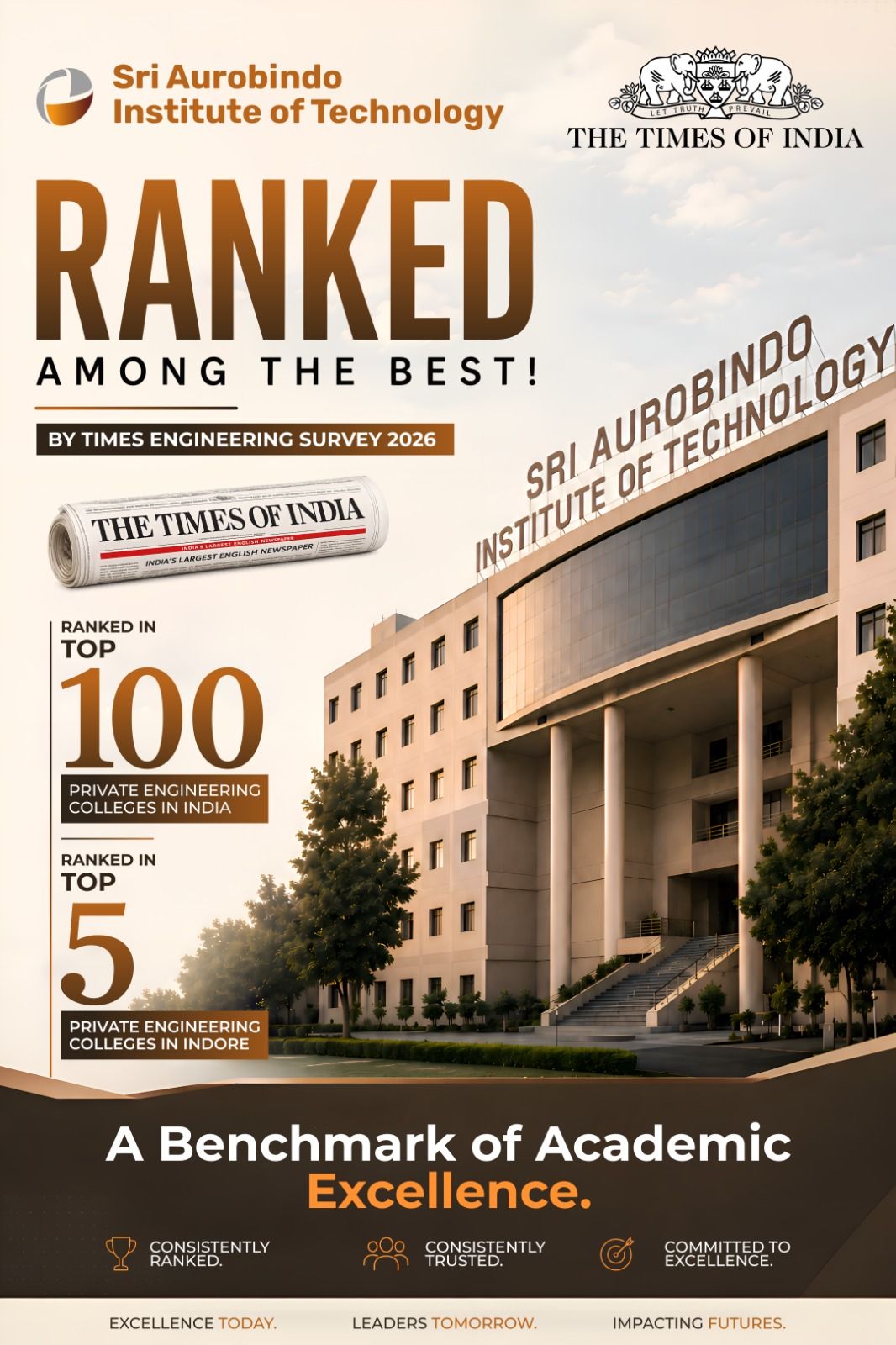
B.Tech Computer Science Engineering at Sri Aurobindo Institute of Technology, Indore
Sri Aurobindo Institute of Technology (SAIT) offers B.Tech Computer Science Engineering with a focus on strong fundamentals, applied learning, and industry exposure. Students are encouraged to participate in internships, projects, technical clubs, and skill-based training alongside academics.
Final Thoughts
For students planning engineering admissions in 2026, Computer Science Engineering remains one of the most reliable and future-oriented choices. With the right institute, mindset, and continuous learning, a B.Tech CSE degree can open doors to long-term career growth across industries.
Latest News and Events