Best Game Development Course in India 2026 – Syllabus, Career Scope & Top Paths
Game development is one of the fastest-growing creative tech careers in India and worldwide. With the gaming market expanding, students increasingly seek structured courses that teach not just design but real game creation, programming, and interactive storytelling. This guide explores the best game development course options in India for 2026, what you learn, and where these skills can take your career.
Gaming is no longer just entertainment. It’s a global industry worth billions, with a huge demand for skilled game developers who combine creativity with technology. India’s young population, increasing mobile penetration, and rising demand for interactive experiences have made game development a serious career option.
Game development covers not just coding, but storytelling, interactive design, animation, physics integration, user experience, and platform optimization. Whether you want to work on Android/iOS games, PC/console titles, or emerging metaverse ecosystems, a solid foundation in game development opens doors across industries.
Why Game Development Is a Future-Forward Career
Here’s why game development has become a hot choice for students:
-
India’s gaming market is rapidly expanding year after year
-
Educational institutions are introducing dedicated programs
-
Several studios and startups hire game developers regularly
-
Opportunities exist in animation, VFX, AR/VR, and metaverse platforms
-
Skills transfer to UI/UX design, simulation, training tools, and interactive systems
Game development is not just gaming. It’s about creating experiences, and experiences are everywhere.
Core Components of a Game Development Course
A strong game development program teaches both creative thinking and technical execution. Key components usually include:
1. Game Design Fundamentals
Understanding player psychology, storytelling, level design, and interactive pacing.
2. Programming for Games
Learning languages such as C#, C++, or Python tailored for gameplay logic and system control.
3. Game Engines
Hands-on experience with engines like Unity or Unreal Engine — the platforms used by professionals worldwide.
4. 2D & 3D Graphics
Working with sprites, meshes, shaders, and real visual assets.
5. Animation and Physics Integration
Animating characters, applying physics rules, and crafting believable movement.
6. Audio and Sound Design
Games need soundtracks, effects, and audio cues - all part of cohesive experiences.
7. Multiplayer, Networking & Releases
Modern games often need networking logic, server connections, and deployment pipelines.
8. Portfolio & Project Work
Building real projects and playable games that demonstrate skill and creativity.
A well-rounded game development course doesn’t just teach tools - it teaches why and how to use them to solve real creative tech problems.
Best Game Development Course Options in India (2026)
Here are some of the most relevant and future-ready paths available for aspiring game developers:
1. Bachelor of Design / Game Arts & Interactive Media
This degree focuses on visual storytelling, animation, interaction design, and creative systems — perfect for those who love mixing art with technology.
2. B.Des in Motion Arts & Gaming (CDS – Indore)
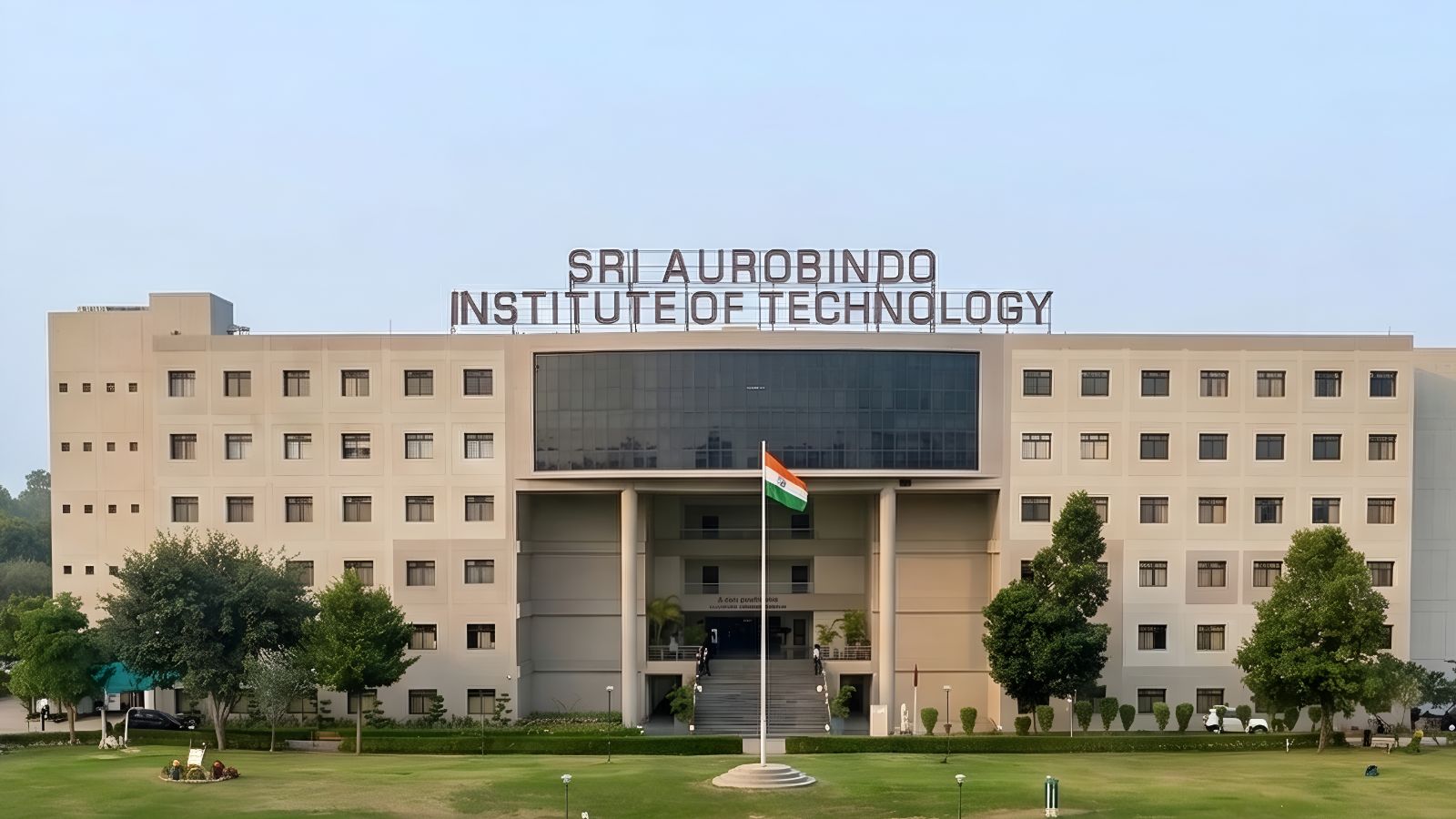
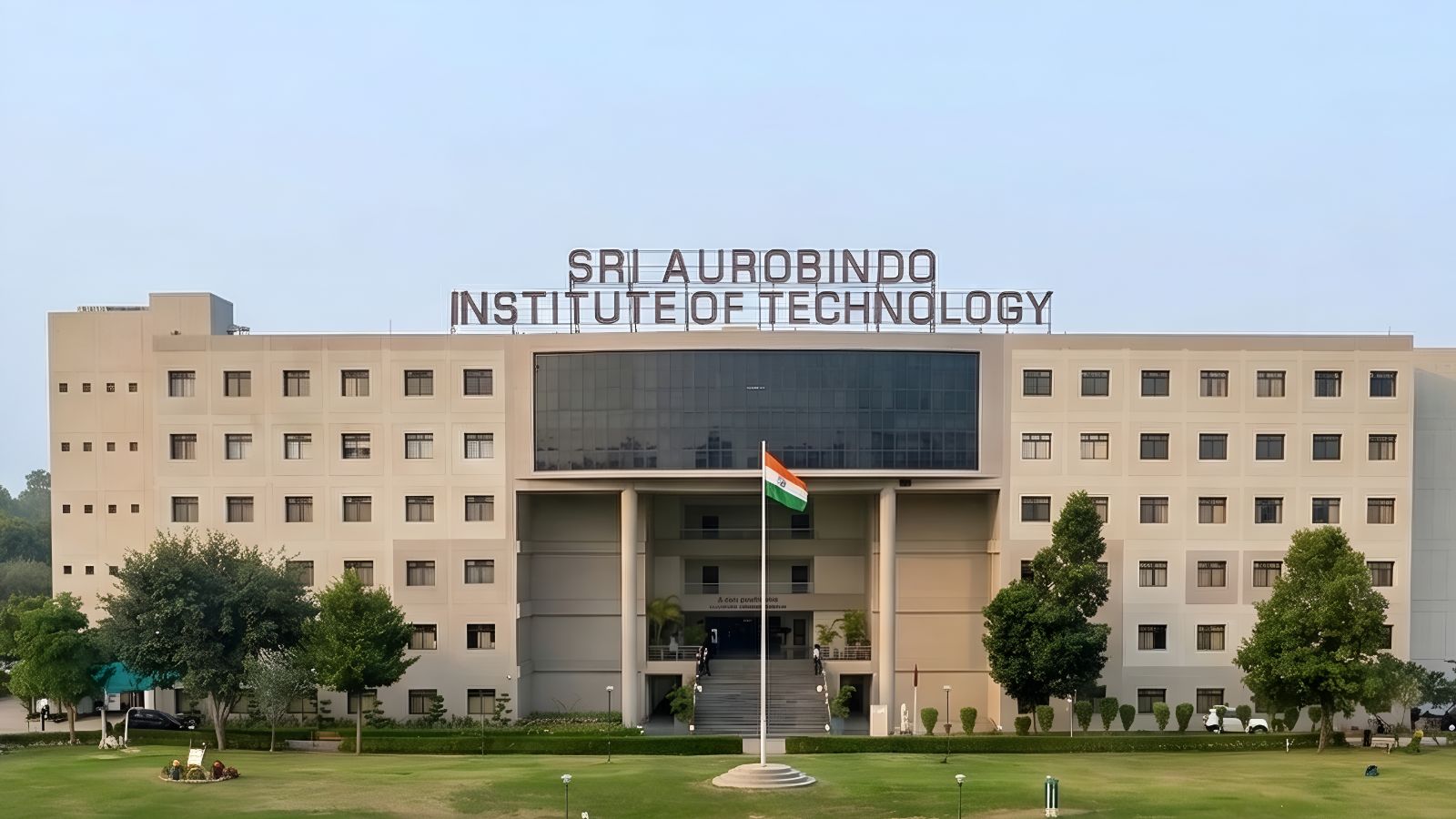
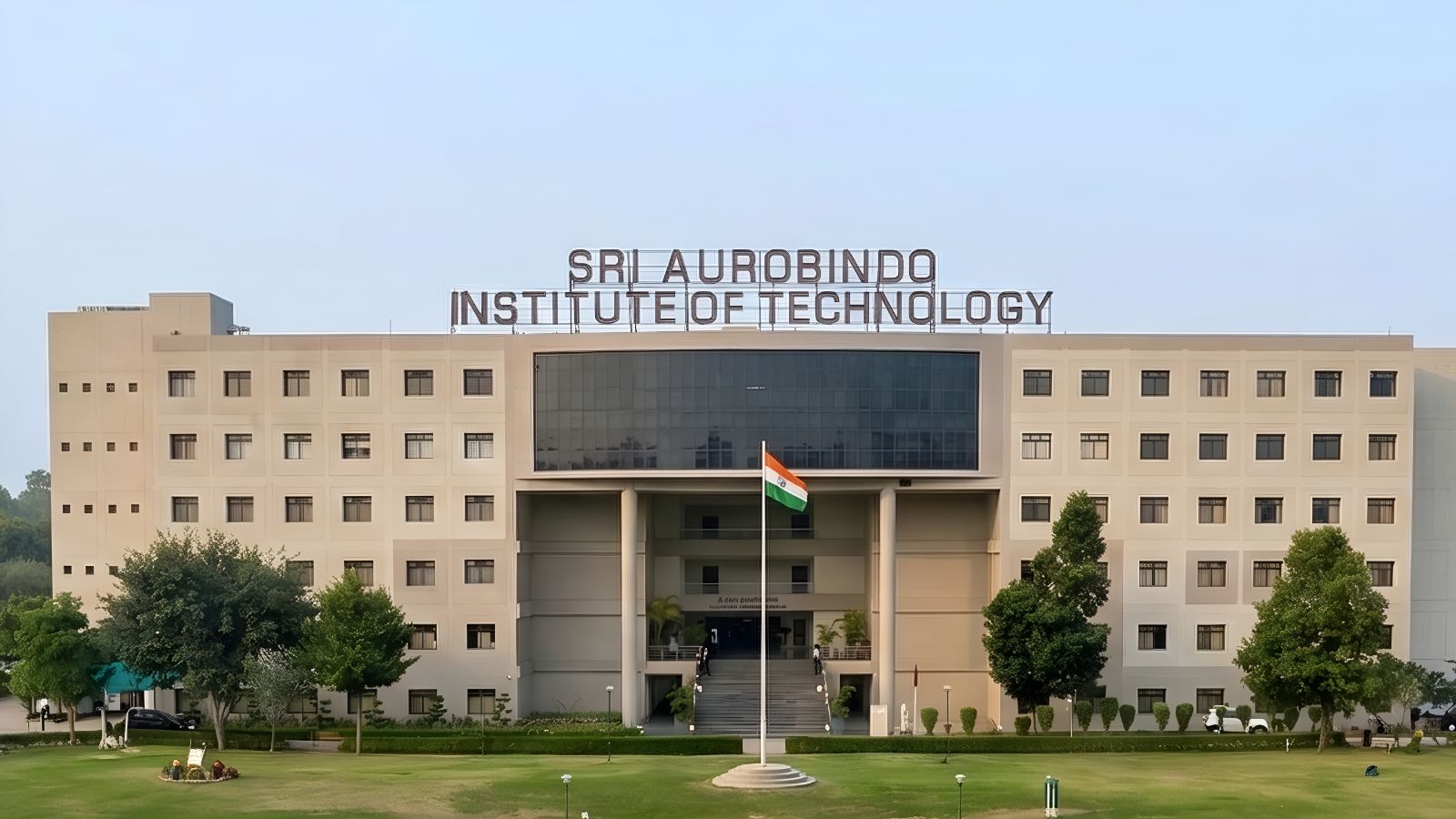
At the Center for Design Studies (CDS) within the Sri Aurobindo Group of Institutes (SAGI), students explore the deep integration of creativity and technology. The focus is not just on creating visuals but on understanding the logic, flow, user experience, and immersion that games demand.
This type of program combines:
-
Storytelling fundamentals
-
Motion frameworks
-
Game engine tooling
-
Interactive prototyping
-
Creative design systems
Graduates from such programs become game designers, environment artists, and visual technologists - not just coders.
3. B.Tech or Computer Science with Game Development Electives
Engineering programs that let students choose game development-related electives, combined with strong programming foundations, are ideal for technical roles in larger game studios or interactive platforms.
These programs focus on:
-
C++, C#, Unity, Unreal Engine
-
Systems programming
-
Graphics rendering pipelines
-
AI logic for NPCs and game physics
4. Specialized Game Development Certifications
Short-term courses or diplomas focusing purely on Unity, Unreal Engine, 3D Asset creation, or mobile game development. These are great for upskilling or transitioning from related fields.
Typical Game Development Syllabus Topics
A game development course will usually include topics such as:
-
Fundamentals of interactive design
-
Game engine mechanics (Unity/Unreal)
-
Programming logic for games (C#, C++)
-
Digital animation and rigging
-
Environment and character design
-
Sound design and integration
-
Level design and playtesting
-
Optimization and device performance
-
Multiplayer networking basics
-
Deployment and publishing pipelines
By the end of the program, students should be able to build playable games from scratch.
Career Scope in Game Development (India 2026)
The career paths related to game development are broader than you might expect:
-
Game Programmer / Developer
-
Game Designer
-
Level Designer
-
Environment Artist
-
Character Animator
-
Gameplay Engineer
-
UI/UX Designer for Games
-
AR/VR Developer
-
Quality Assurance & Game Tester
-
Narrative & Story Designer
-
Sound Designer
-
Technical Artist
-
Freelance Game Developer
Games are increasingly used in education, healthcare simulation, advertising, brand experiences, and interactive storytelling - not just entertainment.
Industry Growth & Job Demand
India’s gaming ecosystem is rapidly growing, with:
-
An expanding base of mobile gamers
-
Increased indie game studios
-
Outsourcing demand from global game companies
-
Rising interest in AR, VR, and metaverse experiences
-
Digital platforms requiring interactive content
This means jobs are not limited to studios - they also arise in advertising, film production, simulation services, training platforms, and more.
Skills That Make You Stand Out in Game Development
Successful game developers bring together:
-
Strong logic and programming fundamentals
-
Interactive design thinking
-
Art and animation affinity
-
Creativity and storytelling ability
-
Comfort with tools like Unity/Unreal
-
Problem-solving under performance constraints
-
Ability to collaborate with artists, designers, and programmers
A well-built portfolio often matters more than degrees alone.
Why This Course Is Worth It in 2026
Game development sits at the intersection of computing, design, and human experience. It is creative, technical, and future-focused. In 2026 India, it continues to be powered by:
-
A massive youth demographic
-
Smartphone penetration
-
Indie development tools
-
Social gaming adoption
-
Esports & competitive platforms
-
AR/VR & interactive storytelling innovations
If you enjoy both tech and creativity, game development is one of the most rewarding choices.
Final Note
Game development education combines programming, design, animation, and interactive experiences. With the gaming industry growing fast, students in India are seeking structured courses that teach both creativity and technical skills. Whether through dedicated game arts degrees or technology programs with game electives, this field offers a wide range of career opportunities.
Latest News and Events