Expert Round Table on Design Education at CDS Indore | Post AI Design Thinking
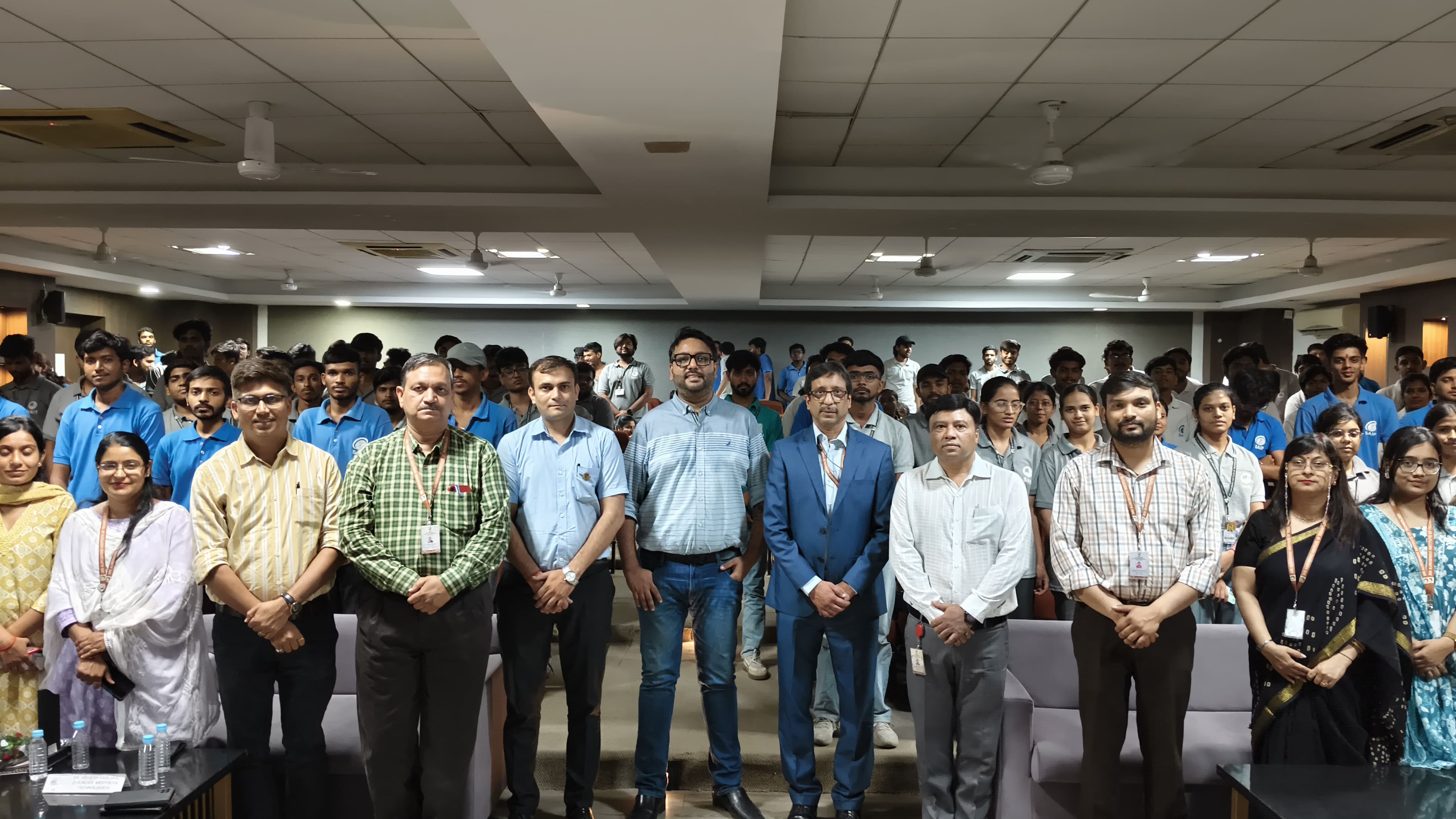
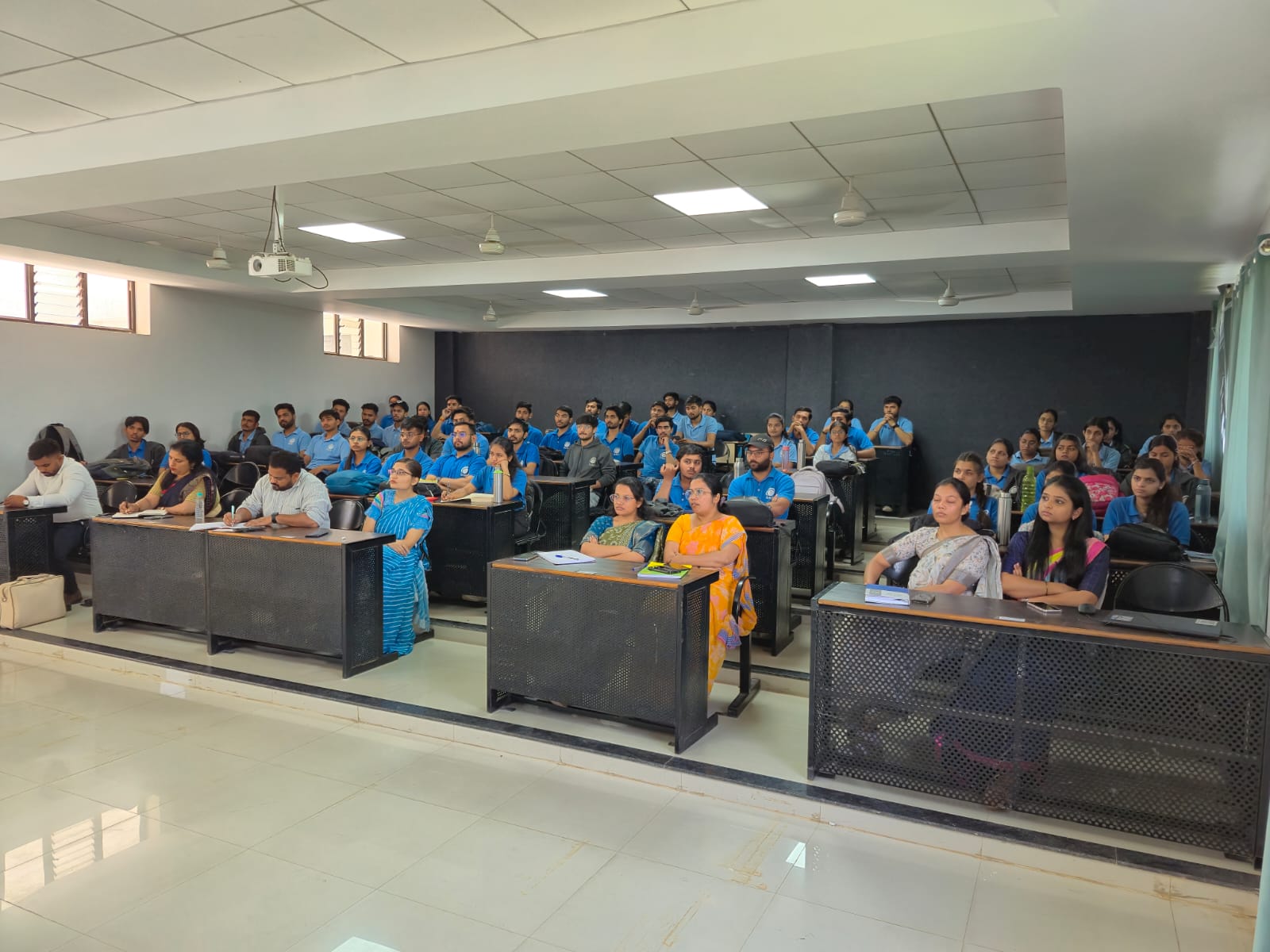
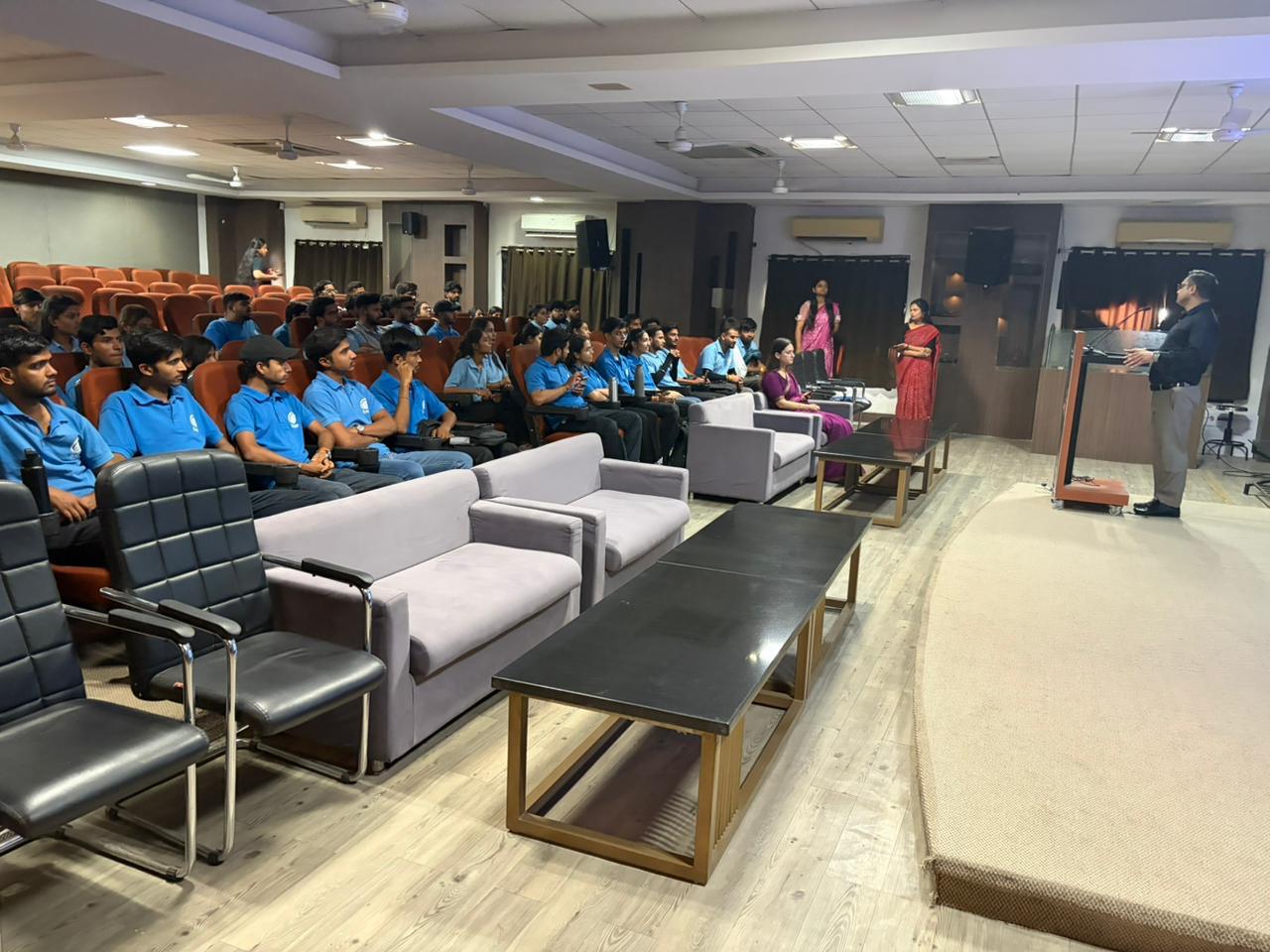
Center for Design Studies hosted an Expert Round Table on Design Education in the Post AI World. Leading design educators and professionals shared insights on the evolving role of design beyond AI. The event reflected CDS’s forward-thinking approach to creative education.
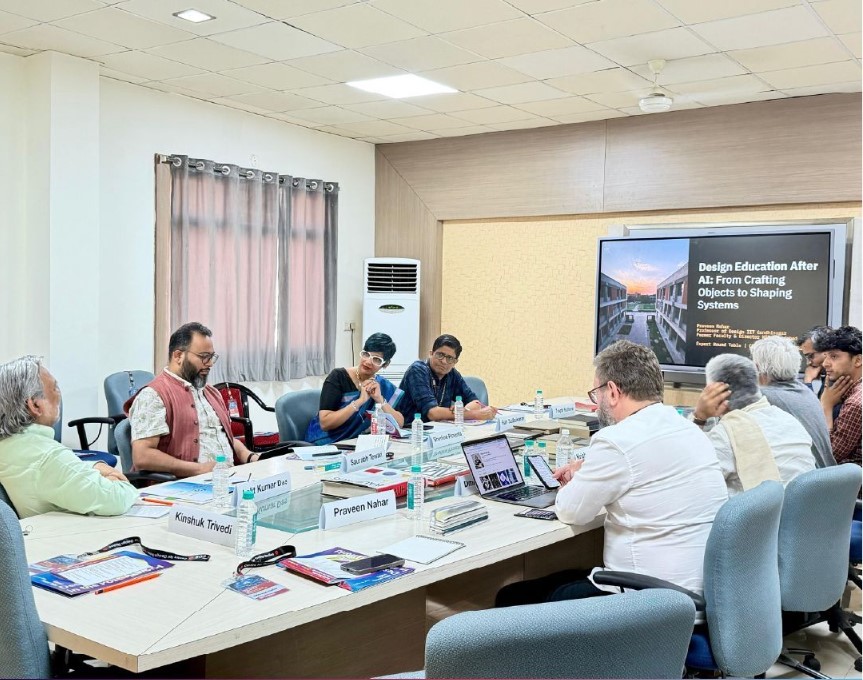
Center for Design Studies, Indore, recently hosted an Expert Round Table on “Design Education in the Post AI World”, bringing together some of the most respected voices in design education and practice. The gathering served as a platform for meaningful dialogue on how design as a discipline is evolving in response to emerging technologies, shifting systems, and complex societal needs.
This annual round table, now in its third year, continues to grow as a space for deeper reflection and exchange. With each edition, the conversations become more layered, more critical, and more aligned with the realities shaping contemporary design practice.
The session featured eminent design educationists and professionals, including Prof. Lalit Kumar Das, Prof. Praveen Nahar, Prof. Dmitry Kharshak, Ravi Krishnan, Dr. Saurabh Tiwari, Dr. Sherline Pimenta, and Prof. Kirti Trivedi. Each speaker brought a distinct perspective, yet a common understanding emerged through the discussions.
Design today is no longer limited to form-making or aesthetics. It operates within complex systems involving data, infrastructure, processes, and human behavior. Artificial Intelligence, while powerful, is only one layer within this broader ecosystem. The discussions emphasized that future designers must learn to navigate and respond to this complexity with clarity and responsibility. At the Center for Design Studies, these ideas are not just discussed but actively practiced. Under the vision of Prof. Kirti Trivedi, the institute is shaping a design philosophy that prepares students for a post-AI world where creativity cannot be automated, and originality remains deeply human.
The approach at CDS focuses on nurturing subjectivity, imagination, and unpredictability. Instead of simply teaching students to design objects or forms, the emphasis is on enabling them to shape the ideas that generate those forms.
This philosophy is reflected through key pedagogical principles followed at the institute. Students are encouraged to understand the essence of an idea before translating it into form, a concept rooted in the principle of Tanmatra. The curriculum promotes algorithm and process-driven design thinking, where outcomes emerge through systems rather than fixed templates.
Explorations in parametric variation allow students to derive multiple possibilities from a single idea, while digitality and interactivity form an integral part of how design is understood and practiced in contemporary contexts.
A special highlight of the event was the presentation of the new CDS curriculum, which showcased the approach and outcomes of student assignments. Projects on themes such as Understanding Digital, Parametric Variation, Process Driven Form, Giving Form to Ideas, Digital Colour, and Nature’s Algorithms reflected the depth, experimentation, and conceptual clarity being developed among students.
Alongside the discussions, an immersive exhibition was curated at the Aurobindo Art Gallery and CDS spaces. The exhibition provided a glimpse into student work, translating theoretical ideas into tangible explorations and reinforcing the institute’s commitment to experiential learning. The Expert Round Table concluded as a meaningful convergence of ideas, perspectives, and possibilities. It not only highlighted where design education stands today but also where it must move in the future.
By hosting such dialogues, the Center for Design Studies continues to strengthen its role as a forward-thinking academic space where design is understood not just as a discipline but as a way of thinking, questioning, and shaping the world.
Latest News and Events