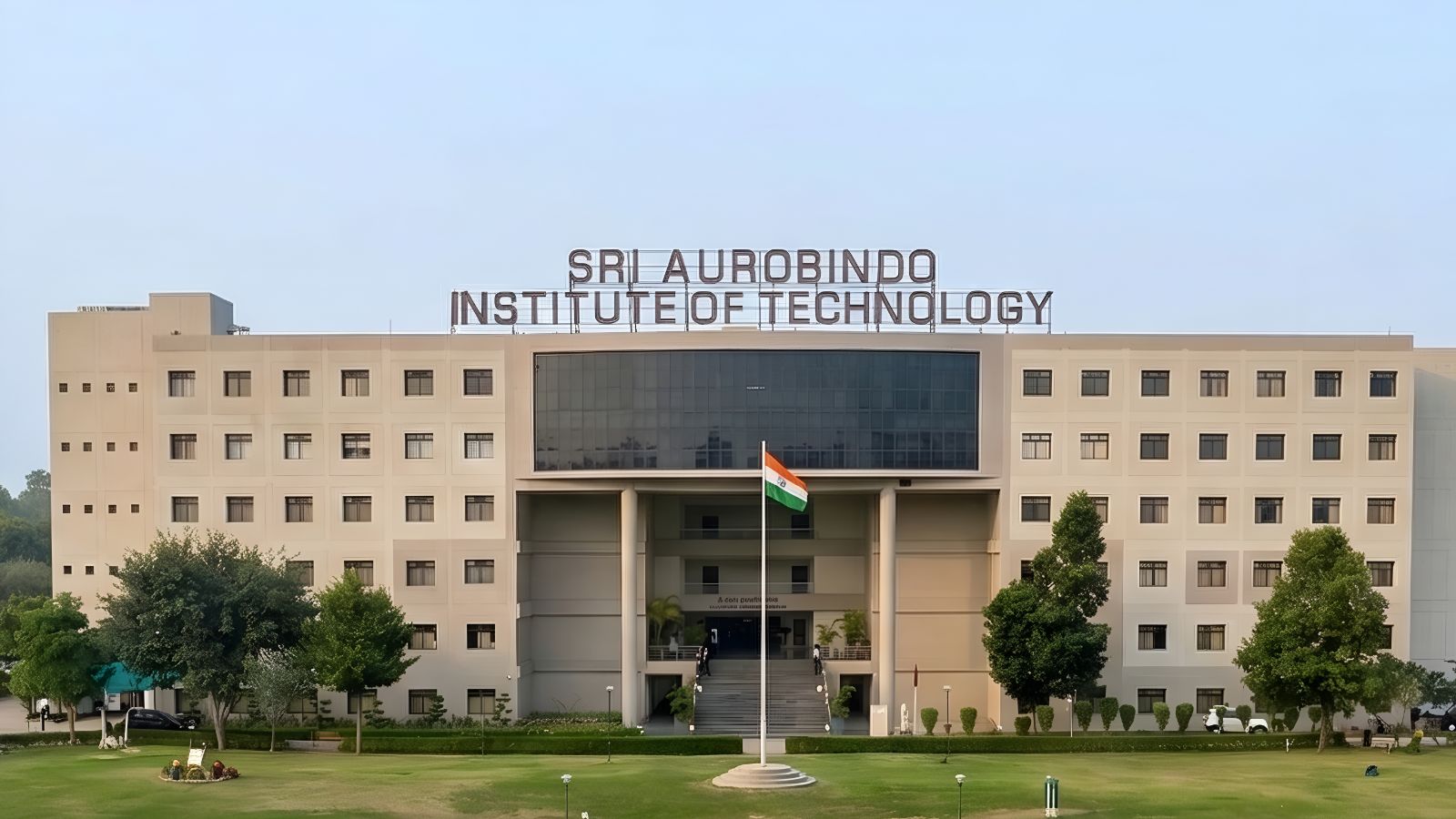
Best B.Pharma Course in India - Complete Guide 2026 | SAIP Indore
B.Pharma is one of the most career-rich and versatile courses you can pursue after Class 12 in India. But with so many colleges offering it, choosing the right one — and truly understanding what the course involves — is more important than ever. This guide covers everything: what B.Pharma actually teaches you, what careers it opens up, how to pick the right college, and why SAIP (Sri Aurobindo Institute of Pharmacy), Indore is one of the best places in India to study it.
Every year, thousands of students finishing Class 12 in India face the same overwhelming question: Science ke baad kya karein? Medicine is tough to get into. Engineering is crowded. And then there's B.Pharma - a course that most students either overlook or underestimate.
That's a mistake. A big one.
B.Pharma - Bachelor of Pharmacy — is the entry point to one of India's most essential, most stable, and fastest-growing industries. India is the world's largest exporter of generic medicines. The pharmaceutical sector employs lakhs of professionals. And every single one of them started with a pharmacy degree.
But the question isn't just whether to pursue B.Pharma. The real question is: where to pursue it, and what to look for in a course that actually prepares you for a career — not just a certificate.
This guide answers both. We'll walk you through what the B.Pharma course actually covers, what careers it leads to, what makes a great B.Pharma college, and why SAIP (Sri Aurobindo Institute of Pharmacy), Indore, is one of the best places in India to study this course.
What Is the B.Pharm Course? - A Clear, Simple Breakdown
B.Pharma stands for Bachelor of Pharmacy. It is a 4-year undergraduate professional course regulated by the Pharmacy Council of India (PCI). Students who complete this course earn the right to practice pharmacy professionally in India — and the knowledge to build a career across a wide range of pharmaceutical and healthcare sectors.
Here's what you need to know at a glance:
|
Course Feature |
Details |
|
Full Form |
Bachelor of Pharmacy |
|
Duration |
4 Years (8 Semesters) |
|
Eligibility |
10+2 with Physics, Chemistry & Biology/Maths — minimum 50% marks |
|
Regulated By |
Pharmacy Council of India (PCI) |
|
Admission Route |
State pharmacy counselling (e.g., MP PEPT) or direct admission |
|
Core Subjects |
Pharmaceutics, Pharmacology, Pharmaceutical Chemistry, Pharmacognosy, Clinical Pharmacy |
|
Top Career Sectors |
Pharma manufacturing, R&D, hospital, clinical research, regulatory, and marketing |
|
Further Study Options |
M.Pharma (via GPAT), MBA Pharma, Pharm D (Post Baccalaureate), PhD |
|
Average Salary (India) |
?2.5 – 5 LPA for freshers; ?6–12 LPA with 3–5 years experience |
B.Pharma Course Syllabus - What You Actually Learn in 4 Years
One of the most common questions students ask before choosing B.Pharma is: 'What will I actually study?' Here's a semester-wise overview of the standard B.Pharma syllabus as per PCI guidelines — the same framework that SAIP follows and enhances with practical depth:
|
Semester |
Key Subjects Covered |
|
Sem 1 |
Human Anatomy & Physiology, Pharmaceutical Analysis, Pharmaceutics-I, Pharmaceutical Inorganic Chemistry, Remedial Biology/Maths |
|
Sem 2 |
Human Anatomy & Physiology-II, Pharmaceutical Organic Chemistry-I, Biochemistry, Pathophysiology, Computer Applications in Pharmacy |
|
Sem 3 |
Pharmaceutical Organic Chemistry-II, Physical Pharmaceutics-I, Pharmaceutical Microbiology, Pharmaceutical Engineering |
|
Sem 4 |
Pharmaceutical Organic Chemistry-III, Medicinal Chemistry-I, Physical Pharmaceutics-II, Pharmacology-I, Pharmacognosy & Phytochemistry-I |
|
Sem 5 |
Medicinal Chemistry-II, Industrial Pharmacy-I, Pharmacology-II, Pharmacognosy & Phytochemistry-II, Pharmaceutical Jurisprudence |
|
Sem 6 |
Medicinal Chemistry-III, Pharmacology-III, Herbal Drug Technology, Biopharmaceutics & Pharmacokinetics, Pharmaceutical Biotechnology |
|
Sem 7 |
Instrumental Methods of Analysis, Industrial Pharmacy-II, Pharmacy Practice, Novel Drug Delivery Systems, Cosmetic & Cosmeceuticals |
|
Sem 8 |
Biostatistics & Research Methodology, Social & Preventive Pharmacy, Pharma Marketing Management, Project Work, Advanced Instrumentation Techniques |
What this syllabus tells you: B.Pharma is not a narrow, single-focus course. It covers chemistry, biology, technology, clinical practice, law, and business — making graduates genuinely versatile across the pharmaceutical ecosystem.
Why SAIP, Indore, Offers the Best B.Pharma Course Experience in India
A great B.Pharma course isn't just about what's on the syllabus — it's about how it's taught, what infrastructure supports it, and what the college does to turn that syllabus into a career. Here's why SAIP consistently stands out:
|
What Great Colleges Do |
Why It Matters |
SAIP Does This |
|
Teach beyond the syllabus |
Industry needs more than PCI minimums |
? Yes |
|
Run fully equipped labs |
Practical skills = employability |
? Yes |
|
Provide hospital exposure |
Pharmacy isn't only in factories |
? Yes — Integrated Hospital |
|
Bring industry to campus |
Seminars, drives & live projects |
? Yes |
|
Prepare students for GPAT |
Postgrad aspirants need structured prep |
? Yes |
|
Support placements year-round |
Not just final semester scramble |
? Yes |
|
Maintain PCI + university approvals |
Degree validity is non-negotiable |
? PCI + RGPV |
|
Build institutional reputation |
Your college name travels with you |
? Sri Aurobindo Group |
The One Advantage Most B.Pharma Colleges Don't Have — A Real Hospital
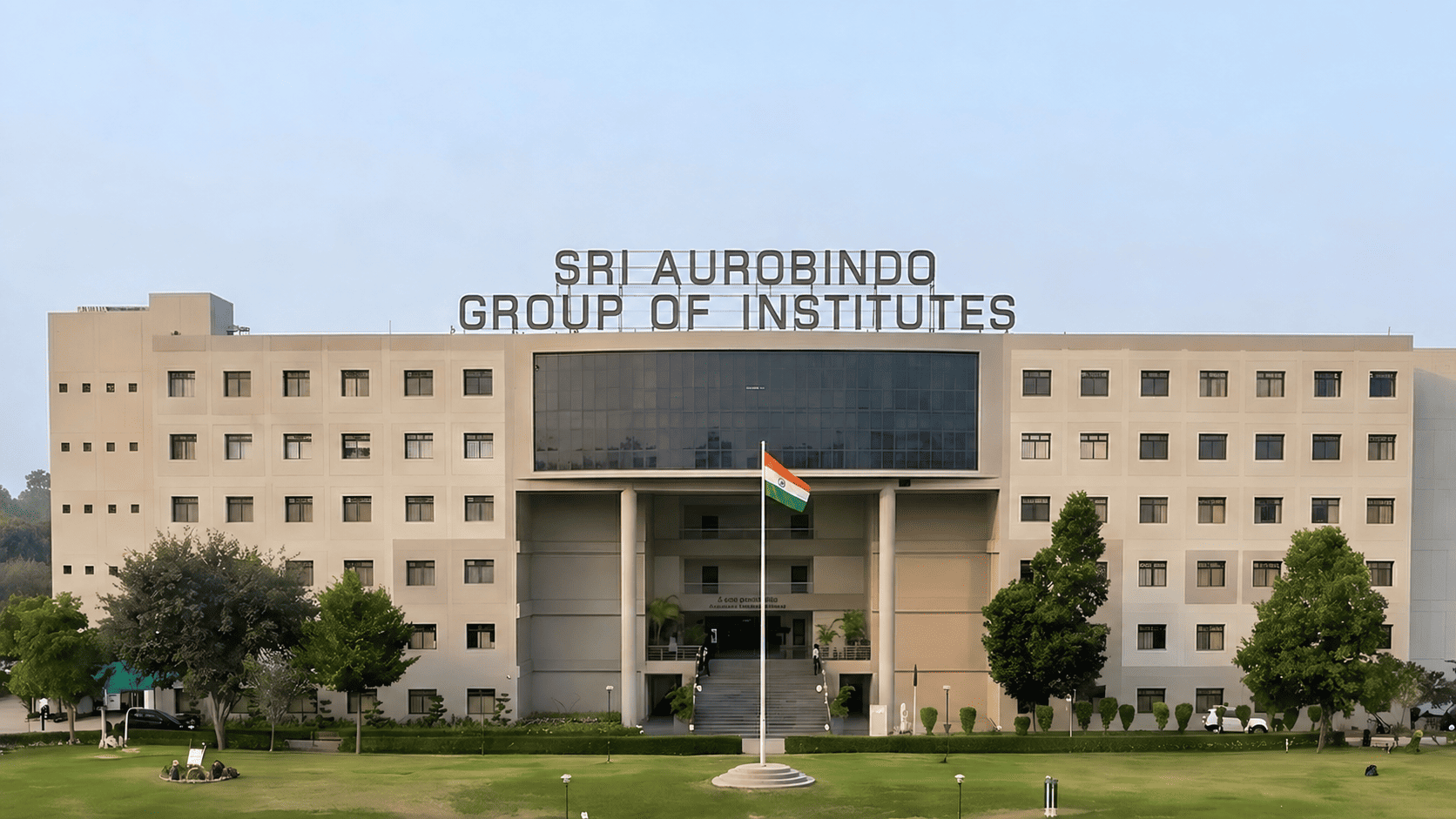
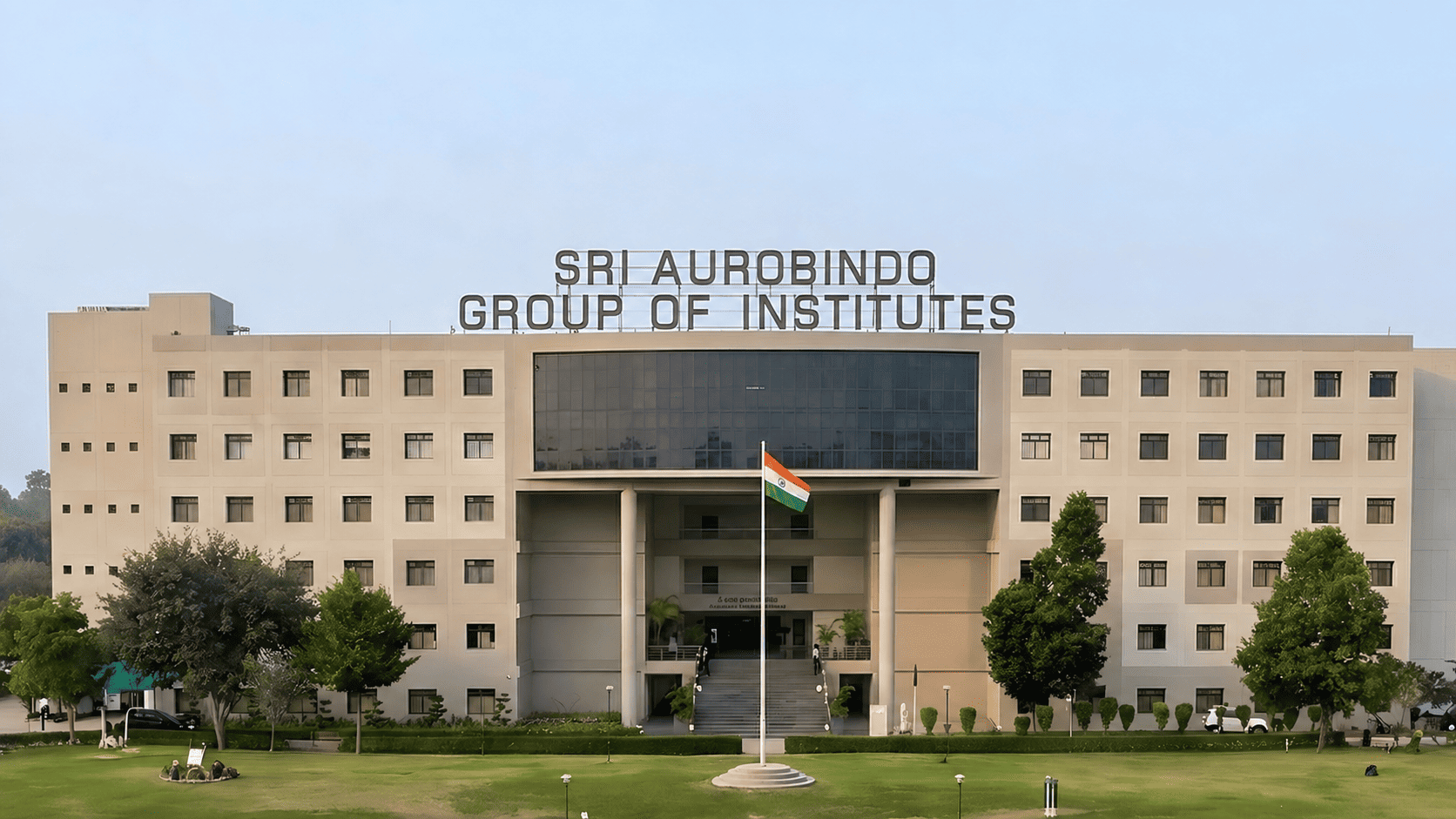
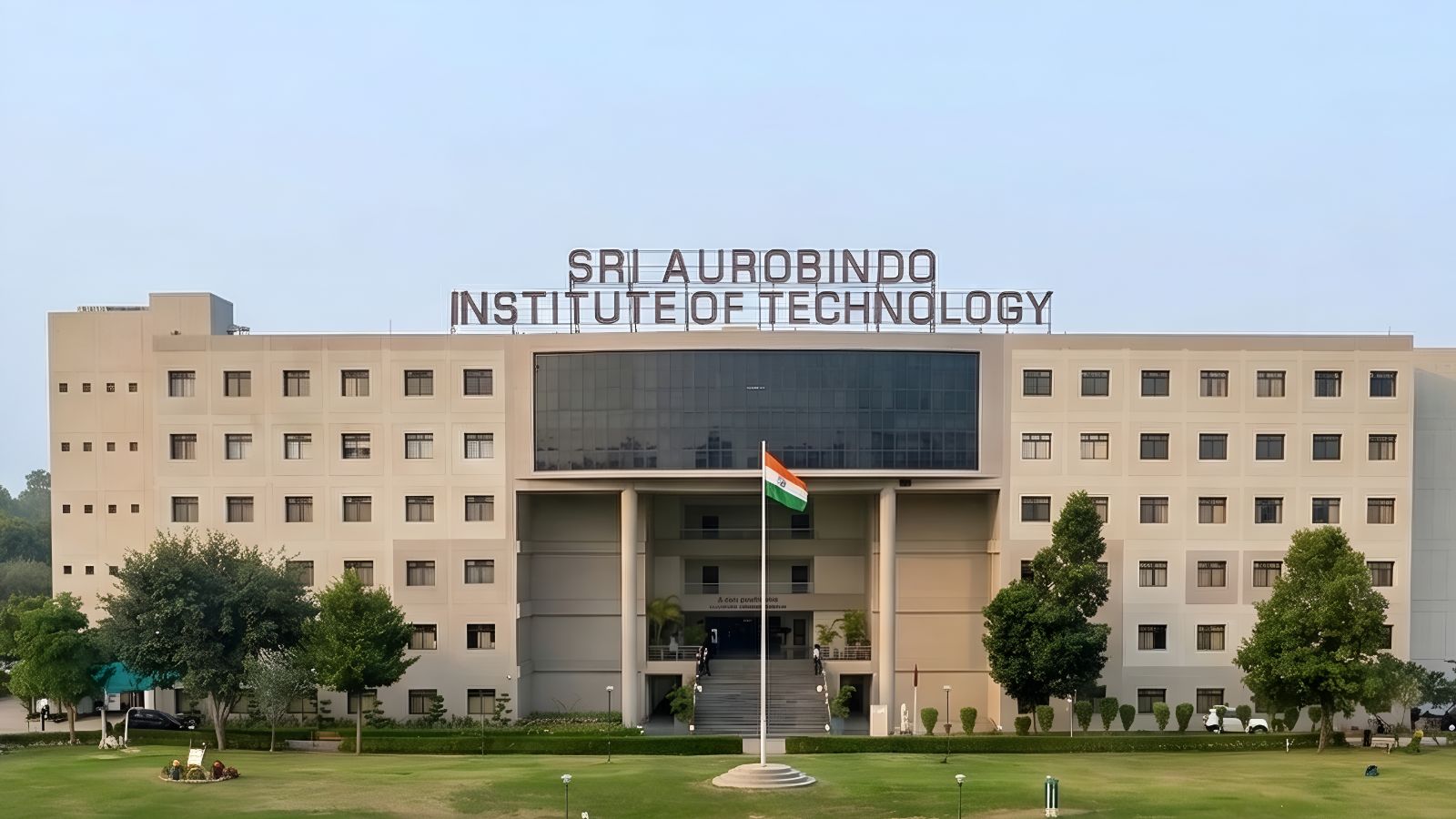
Here's what makes SAIP genuinely unique among B.Pharma colleges in India: it is part of the Sri Aurobindo Group of Institutes, which includes Sri Aurobindo Medical College & PG Institute — a fully operational multi-speciality hospital.
Most pharmacy colleges teach hospital pharmacy as a theory subject. At SAIP, students actually see it in practice — dispensing systems, patient counselling, ward rounds, drug information services — all within the same institutional campus. This kind of real-world pharmacy exposure during your undergraduate degree is rare. And it is precisely what makes SAIP graduates more job-ready than those from isolated pharmacy colleges.
Indore - The Pharmaceutical Student's City
Location shapes opportunity. Indore is home to pharmaceutical companies, hospital chains, medical distributors, and a dense healthcare network that gives B.Pharm students access to:
-
Industrial visits and internships at pharma manufacturing units
-
Exposure to retail pharmacy chains for practical training
-
Hospital internship within the Sri Aurobindo healthcare network
-
Networking with pharma professionals at Indore's industry events
-
Easy access to MP state counselling and exam centres
Career Scope After B.Pharma in India - What Jobs Can You Get?
This is the question every student and parent asks. And for B.Pharm, the answer is genuinely impressive. Here's a look at the most common and high-growth career paths after completing the best B.Pharma course in India:
|
Job Role |
Industry Sector |
Avg. Starting Pay |
|
Production / QC / QA Officer |
Pharmaceutical Manufacturing |
?2.5–4 LPA |
|
Medical Representative |
Pharma Sales & Marketing |
?2.5–4 LPA + incentives |
|
Hospital Pharmacist |
Hospital & Clinical Settings |
?2.5–4.5 LPA |
|
Clinical Research Associate |
CROs & Pharmaceutical R&D |
?3–6 LPA |
|
Drug Regulatory Affairs Exec. |
Regulatory Bodies & Consultancies |
?3–5.5 LPA |
|
Product Manager (Pharma) |
Pharma Marketing (with experience) |
?5–10 LPA |
|
Pharmacovigilance Analyst |
Drug Safety & MNC Pharma |
?3–6 LPA |
|
Retail Pharmacist / Owner |
Community Pharmacy |
Variable — high potential |
And it doesn't stop at jobs. B.Pharma is also the gateway to powerful further education:
-
M.Pharma — Master of Pharmacy via GPAT (specialisations in Pharmaceutics, Pharmacology, Med. Chemistry, etc.)
-
MBA in Pharmaceutical Management — for leadership and business roles
-
Pharm D (Post Baccalaureate) — 3-year clinical pharmacy degree for hospital careers
-
PhD in Pharmaceutical Sciences — for those drawn to research and academia
-
Government jobs — Drug Inspector, CDSCO, Central Government Pharmacist roles
How to Choose the Best B.Pharma College in India - 5 Questions to Ask
Don't choose a B.Pharm college based on brochures or word of mouth alone. Ask these five questions — and verify the answers before you decide:
-
Is the college PCI-approved and affiliated to a recognised university? — This is the non-negotiable foundation. SAIP: PCI approved + RGPV affiliated.
-
What do their labs actually look like? — Ask for a campus visit or virtual tour. Pharmacy needs real lab time. SAIP: Fully equipped pharmaceutics, pharmacology, chemistry, and instrumentation labs.
-
Does the college have hospital or industry tie-ups? — Look for actual partnerships, not just claims. SAIP: Integrated hospital within the Sri Aurobindo Group campus.
-
How does their placement cell work? — Ask when training starts, how many companies recruit, which sectors. SAIP: Year-round TPO with pharma companies, hospital groups, and CROs.
-
What do alumni actually say? — Check LinkedIn. Look up SAIP graduates — what they're doing, where they work, how they talk about their college.
Frequently Asked Questions (FAQs)
Q1. Which is the best B.Pharma course in India?
The best B.Pharma course is one offered by a PCI-approved, university-affiliated college with strong labs, hospital exposure, industry tie-ups, and placement support. SAIP (Sri Aurobindo Institute of Pharmacy), Indore is one of the premier B.Pharma institutions in Central India — offering all of these alongside the unique advantage of an integrated hospital ecosystem through the Sri Aurobindo Group.
Q2. What is the duration of B.Pharma in India?
B.Pharma is a 4-year (8 semester) undergraduate course. It is regulated by the Pharmacy Council of India (PCI) and offered by affiliated colleges across the country.
Q3. What subjects are taught in B.Pharma?
B.Pharma covers a wide range of subjects including Pharmaceutics, Pharmaceutical Chemistry, Pharmacology, Pharmacognosy, Medicinal Chemistry, Industrial Pharmacy, Clinical Pharmacy, Biopharmaceutics, Novel Drug Delivery Systems, Pharmacy Law, and Pharma Management — spread across 8 semesters.
Q4. What is the scope of B.Pharma in India in 2026?
B.Pharma has excellent scope in 2026. Graduates can work in pharmaceutical manufacturing, clinical research, hospital pharmacy, drug regulatory affairs, pharma marketing, and retail pharmacy. They can also pursue M.Pharma via GPAT, MBA (Pharma), or Pharm D (Post Baccalaureate) for career advancement. India's pharmaceutical industry continues to grow both domestically and as a global export hub.
Q5. What is the eligibility for B.Pharma admission in India?
Students must have passed 10+2 (or equivalent) with Physics and Chemistry as compulsory subjects along with Biology or Mathematics. A minimum of 50% aggregate marks is generally required (45% for reserved categories). Admission is through state pharmacy entrance tests or direct institute admission, depending on the state and college.
Q6. Is B.Pharm better than B.Sc. in terms of career?
For pharmacy-specific careers, B.Pharma is significantly stronger than a generic B.Sc. B.Pharma is a professional degree regulated by PCI, which means it qualifies you to practice as a pharmacist, work in licensed pharmaceutical manufacturing, and pursue M.Pharma via GPAT. B.Sc. does not carry these professional rights in the pharma sector.
Q7. Why should I choose SAIP for B.Pharma over other colleges?
SAIP combines PCI approval, RGPV affiliation, a fully equipped lab environment, an integrated hospital ecosystem within the Sri Aurobindo Group, an industry-updated curriculum, expert faculty, and year-round placement support — all in Indore, one of India's most pharma-friendly and connected cities. For students in Central India, especially, SAIP is the strongest B.Pharma choice available.
Conclusion - The Best B.Pharma Course Is the One That Actually Prepares You
B.Pharma is not a backup plan. It's not a second choice. It is a serious, career-rich professional degree that opens doors across one of India's most critical and globally significant industries.
But the course is only as good as where you study it. The best B. Pharma colleges in India don't just follow the PCI syllabus — they go beyond it. They build labs that train your hands, not just your notes. They connect you with hospitals, industries, and employers before you graduate. They care about your career the same way you do.
SAIP, Indore does all of this — and does it with the weight of the Sri Aurobindo Group's decades-old legacy behind every degree it awards. If you're looking for the best B.Pharma course experience in India, your search ends here.
Come to SAIP. Learn pharmacy the right way. And build a career that matters.
Latest News and Events