Expert Session on Computer-Aided Drug Designing at Sri Aurobindo Institute of Pharmacy
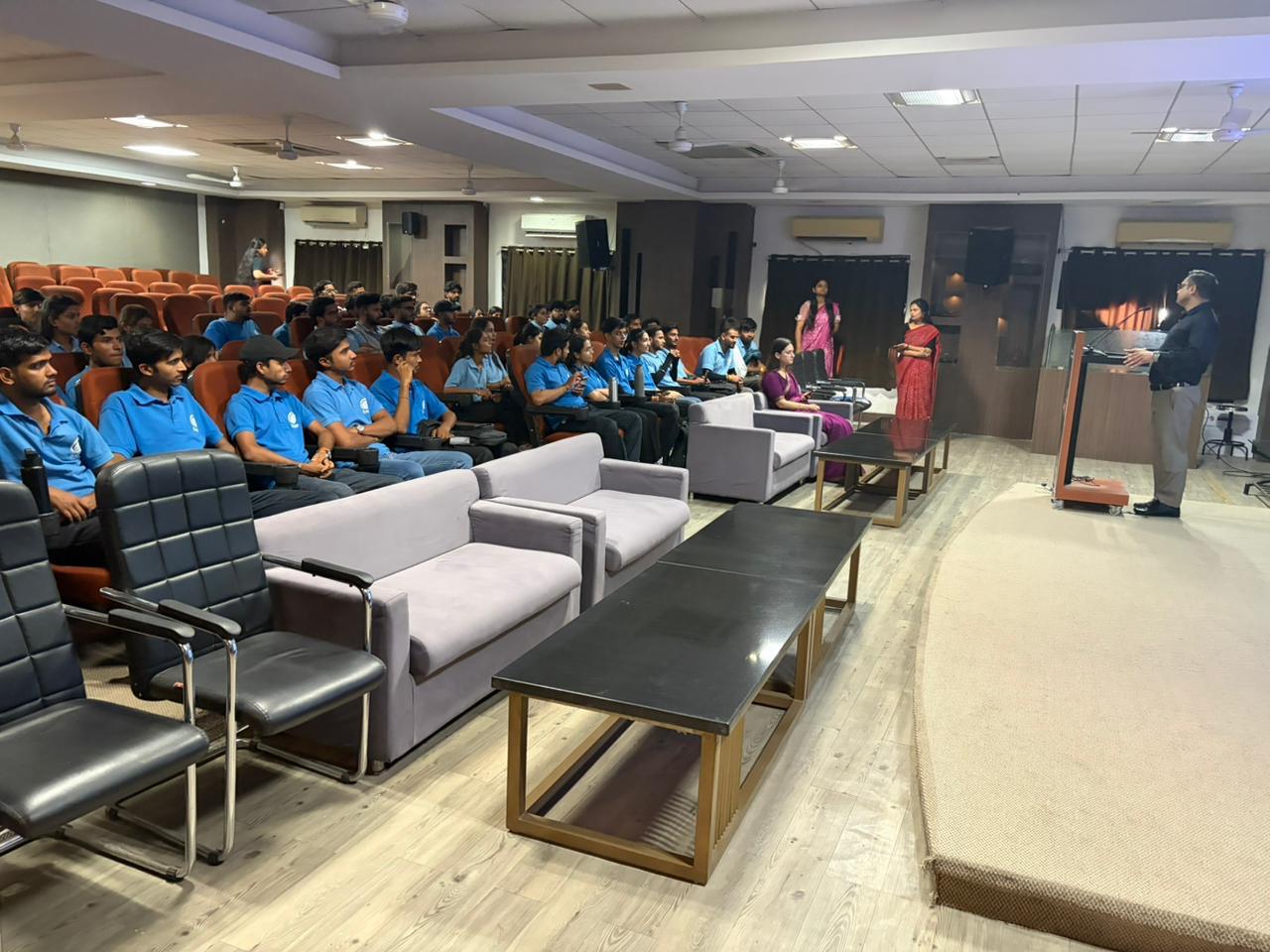
Sri Aurobindo Institute of Pharmacy organized an expert session on Computer-Aided Drug Designing (CADD) featuring Dr. Shamsher Singh Sardar from Advent Informatics, Pune. Students gained practical insights into molecular docking, QSAR modeling, virtual screening, AI in drug discovery, and modern pharmaceutical research tools.
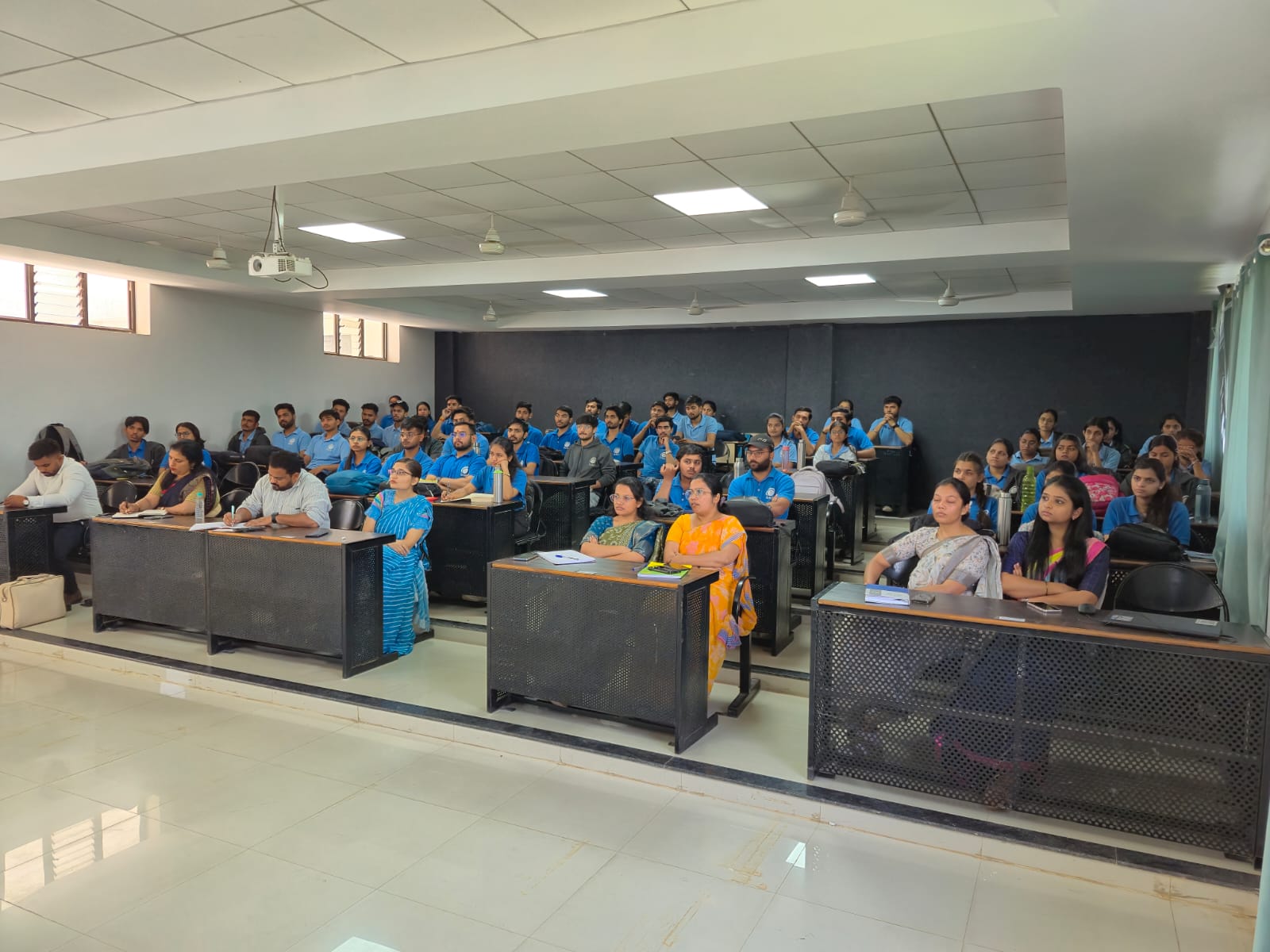
The field of pharmaceutical sciences is rapidly evolving with the integration of advanced computational technologies in drug discovery. To help students understand these modern approaches, an expert session on Computer-Aided Drug Designing (CADD) was organized at Sri Aurobindo Institute of Pharmacy. The session aimed to provide practical exposure to computational techniques that are transforming the pharmaceutical industry.
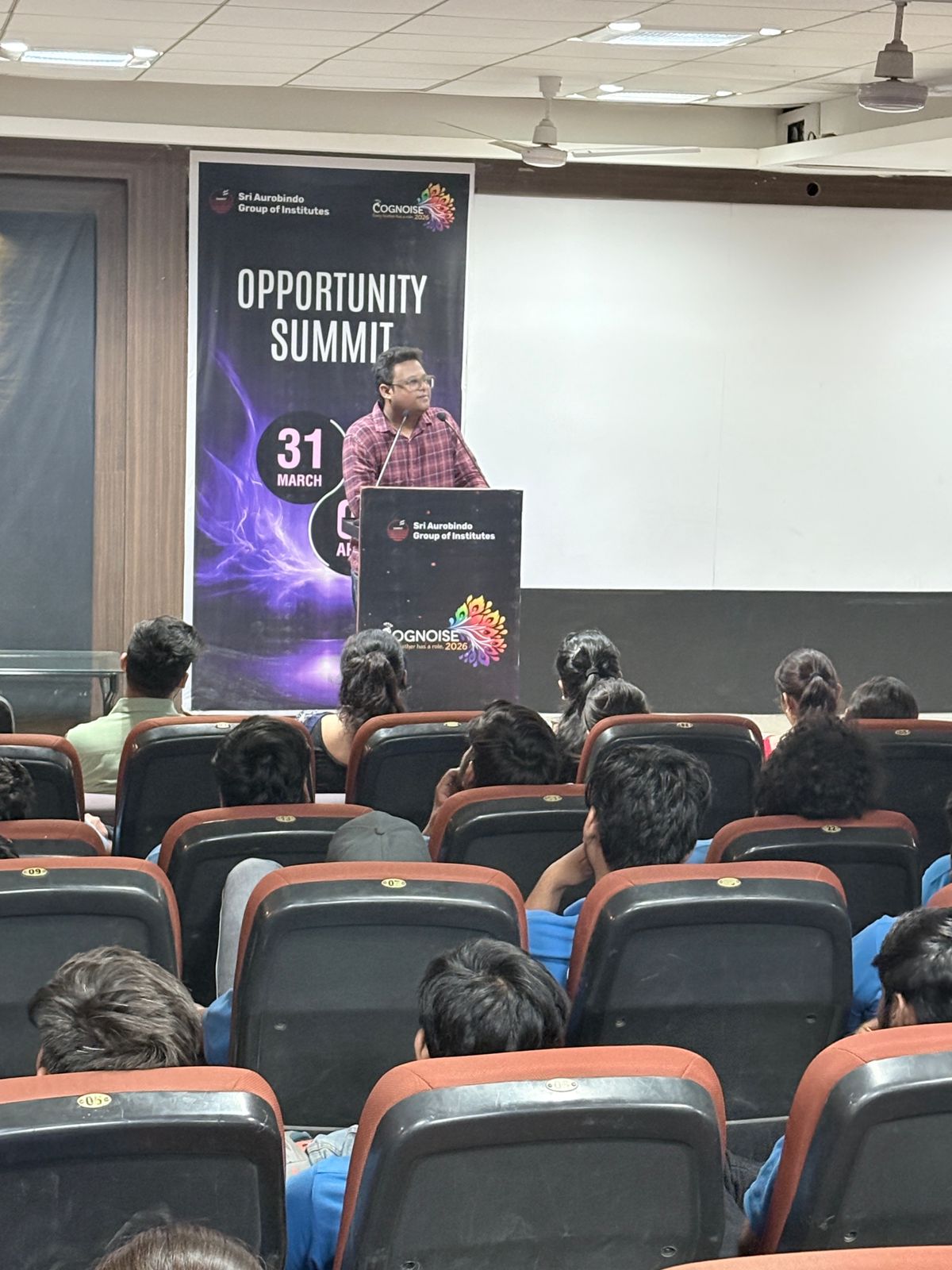
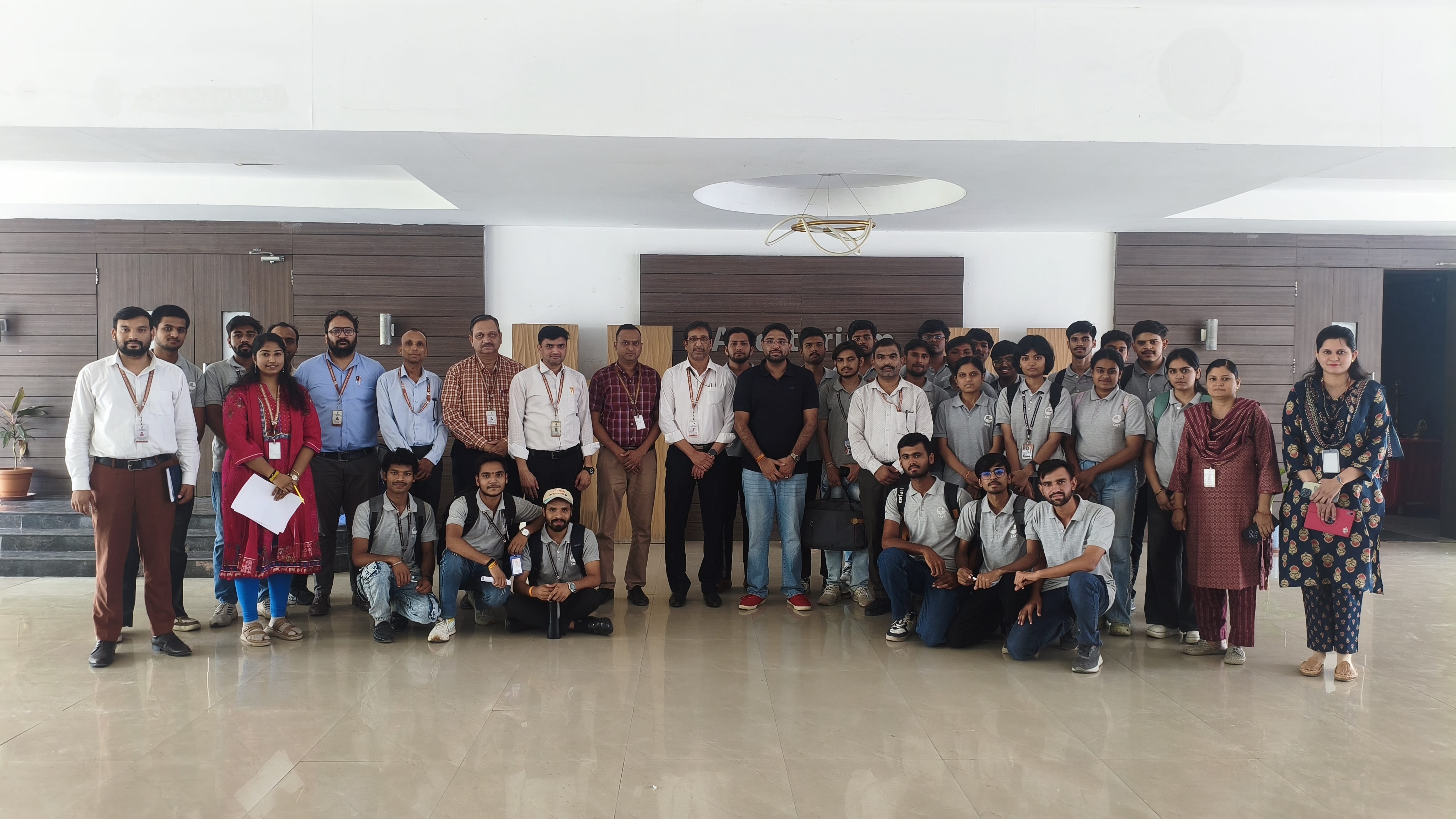
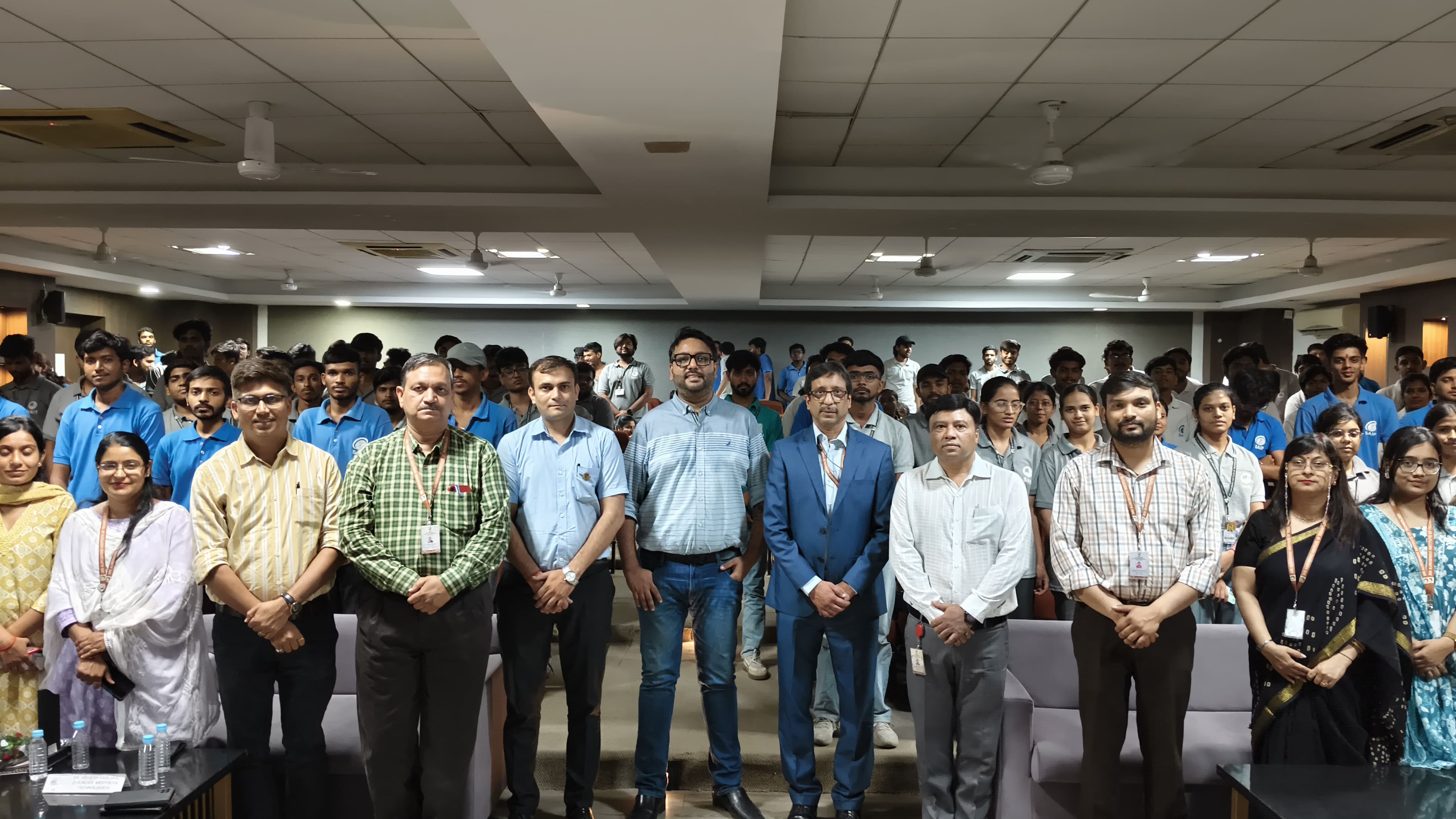
The lecture was conducted by Dr. Shamsher Singh Sardar, an experienced professional with more than two decades of expertise in Computer-Aided Drug Design and pharmaceutical research. Around 51 students from B. Pharm III and IV year, along with faculty members, actively participated in the session held on 26th February 2026 at Room No. 413, SAIP Indore.
Bridging Academics with Industry Practices
The session focused on bridging the gap between theoretical concepts taught in classrooms and the real-world applications used in the pharmaceutical industry. Dr. Sardar shared valuable insights into how computational tools accelerate drug discovery, reduce research costs, and improve the efficiency of identifying potential drug molecules.
Students were introduced to various in-silico techniques that are now widely used by pharmaceutical companies and research organizations worldwide. The interactive nature of the lecture encouraged students to think beyond textbooks and explore the practical side of pharmaceutical research.
About the Resource Person
Dr. Shamsher Singh Sardar completed his Ph.D. from Jawaharlal Nehru Technological University and has worked with leading Contract Research Organizations including Aragen Life Sciences, Curia, and Sai Life Sciences. Currently serving as Senior Application Scientist at Advent Informatics, he specializes in applying CADD methodologies to modern drug discovery research.
He has also contributed significantly to scientific research through published research articles and an international patent, reflecting his commitment to innovation in pharmaceutical sciences.
Key Topics Covered During the Session
The expert session provided students with a comprehensive overview of important computational techniques used in drug designing.
Molecular Docking
Students learned how molecular docking helps predict ligand–protein interactions and supports the identification of promising drug candidates.
QSAR Modeling
The session explained Quantitative Structure–Activity Relationship (QSAR) modeling and its role in analyzing the relationship between chemical structure and biological activity.
Molecular Modeling
Dr. Sardar demonstrated molecular visualization and structural optimization techniques that help researchers better understand molecular behavior.
Virtual Screening
Participants were introduced to virtual screening methods used to identify potential drug molecules from large chemical libraries efficiently.
Emerging Trends in Drug Discovery
One of the most engaging parts of the session was the discussion on emerging technologies in pharmaceutical research, including:
- Artificial Intelligence in drug discovery
- Machine Learning models
- Big data and cloud computing
- Personalized medicine
The students also witnessed demonstrations of Molsoft software tools used for docking studies, molecular visualization, and descriptor calculations.
Objectives of the Activity
The session was organized with the following objectives:
- To introduce students to Computer-Aided Drug Design
- To provide exposure to in-silico drug discovery techniques
- To enhance understanding of computational tools in pharmaceutical research
- To develop research orientation among students
Impact and Learning Outcomes
The session proved highly informative and beneficial for students aspiring to build careers in pharmaceutical research and drug discovery. By interacting directly with an industry expert, students gained a clearer understanding of current industry expectations, research methodologies, and future opportunities in the field of CADD.
The practical demonstrations and real-world examples made complex concepts easier to understand and encouraged students to explore research-oriented learning.
Conclusion
The expert session on Computer-Aided Drug Designing successfully provided students with valuable insights into modern computational approaches used in pharmaceutical sciences. The event created an excellent platform for academic and industry interaction, helping students connect classroom learning with practical applications in drug discovery research.
Such initiatives by Sri Aurobindo Institute of Pharmacy continue to enhance students’ professional knowledge and inspire them to pursue innovation and research in the pharmaceutical sector.
Latest News and Events