Best B.Design Colleges in Indore 2026 | Top B.Des College - CDS
A quick, no-fluff guide to choosing the right B.Design college in Indore — what to actually look for, why studio-based learning matters more than a fancy brochure, and where Center for Design Studies (CDS) fits into that picture. Written for students and parents comparing options before admission season closes.
Best B.Design Colleges in Indore: A Complete Guide for 2026
If you're searching for the best B. Design colleges in Indore, you've probably already noticed the problem — every college website says the same thing. "Industry-oriented curriculum." "State-of-the-art infrastructure." "100% placement assistance." None of it tells you what actually happens in a design classroom, or whether you'll graduate with a portfolio strong enough to get hired.
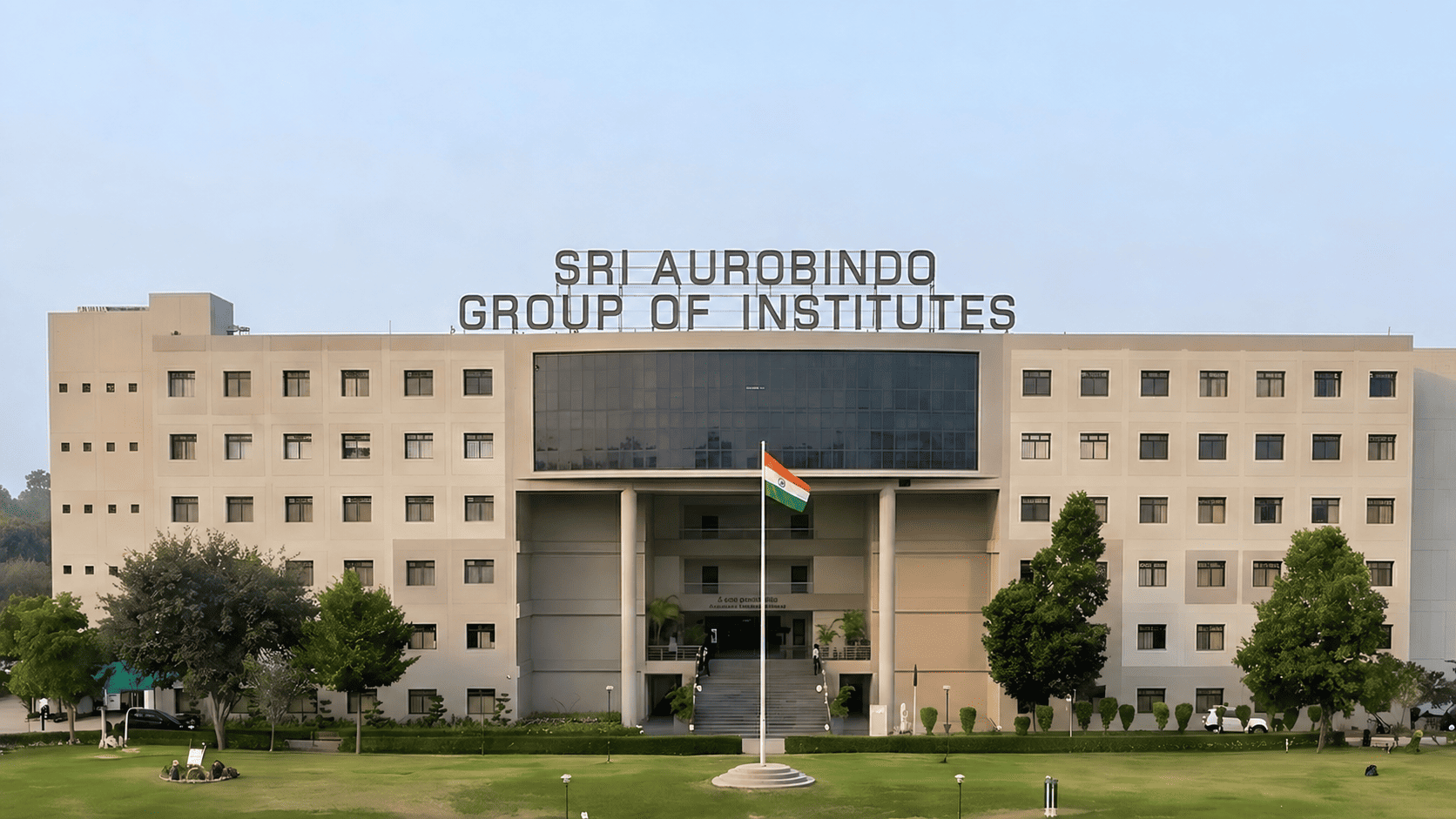
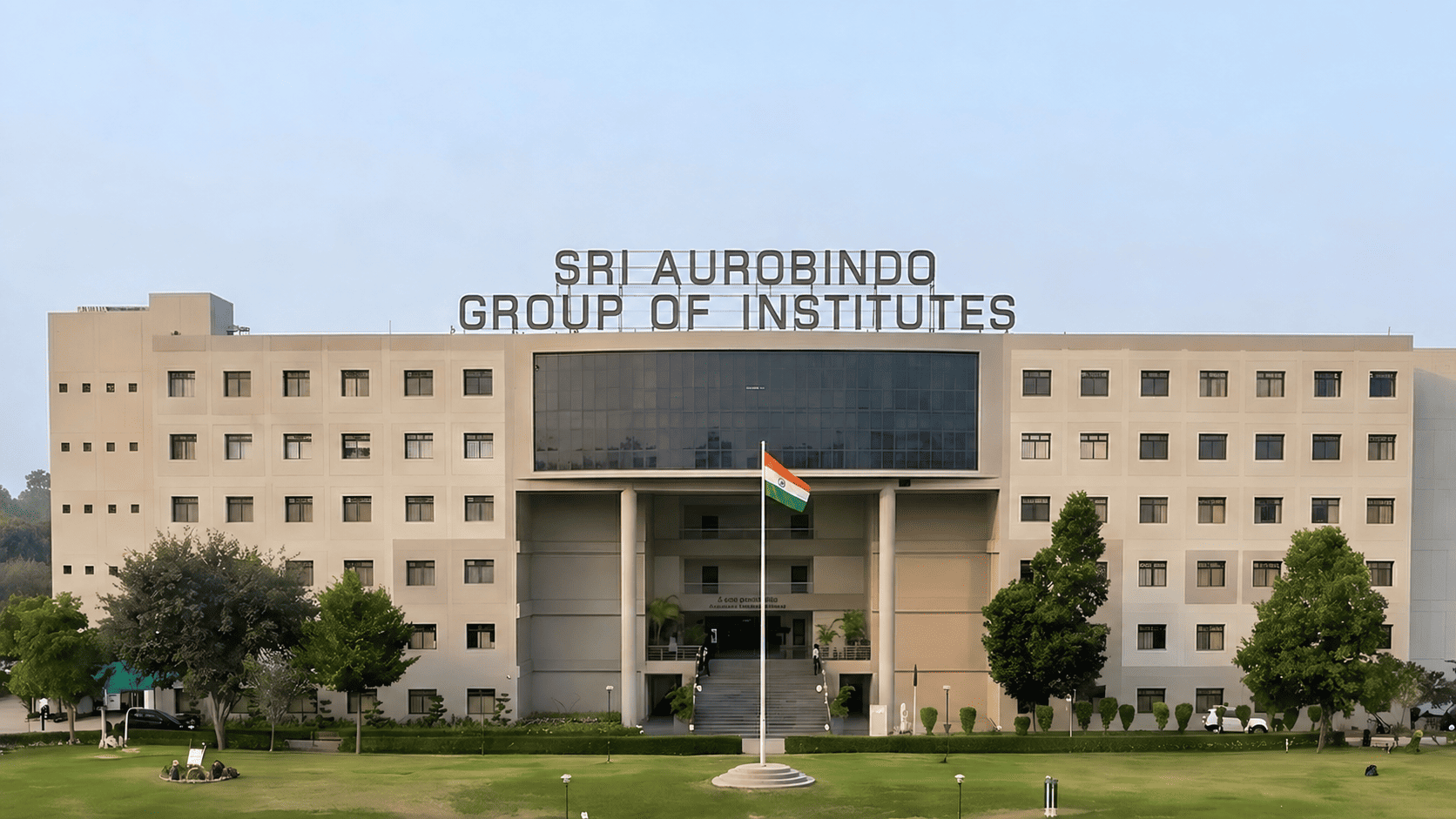
So let's skip the marketing language and talk about what genuinely separates a good B.Design college from an average one — and where Center for Design Studies (CDS), part of the Sri Aurobindo Group of Institutes in Indore, stands in that comparison.
Why Indore Has Become a Serious Option for Design Education
Indore isn't the first city that comes to mind when people think "design college" — Mumbai, Bangalore, and Ahmedabad usually get that reputation. But that's changing, and for a practical reason: Indore is central India's biggest education and startup hub, with a growing base of creative studios, branding agencies, ed-tech companies, and product startups that need designers locally. Studying design in Indore no longer means moving away from opportunity — increasingly, it means being closer to it.
It's also significantly more affordable to live and study in Indore compared to metro cities, without a drop in academic seriousness — provided you pick the right institute.
What Should You Actually Look For in a B.Design College?
Before comparing specific colleges, it helps to know what actually matters for a design education. Most students (and parents) evaluate colleges on the wrong criteria — glossy campus photos, or which city it's in. Here's what actually predicts whether you'll come out job-ready:
1. Is the learning studio-based or lecture-based? Design is a practiced skill, not a memorized subject. A college where you sit through PowerPoint lectures about design theory is fundamentally different from one where you're in a studio every day — sketching, building, prototyping, and getting critiqued. If you can, ask to sit in on an actual class before you enroll.
2. How real are the "industry projects"? Almost every design college claims "industry-oriented projects." Ask for specifics: What was the last project? Who reviewed it? Was it a simulated brief, or something closer to what a working studio would actually hand a junior designer?
3. Batch size Design education depends on individual feedback — a professor telling you exactly why your layout isn't working, or why your user flow breaks at step three. That kind of mentorship is only possible in smaller batches. A 120-student lecture hall cannot replicate a 20-student critique session.
4. University affiliation and approval This is non-negotiable. A B.Des degree needs to be affiliated with a recognized university (like RGPV) and approved by AICTE, or it holds little value for higher studies or certain government/PSU job eligibility later.
5. What do students actually make, not what they're taught? The best judge of a design program isn't its syllabus — it's the portfolio its final-year students walk out with.
Center for Design Studies (CDS): Built Differently, By Design
This is where Center for Design Studies (CDS) comes in — and it's worth understanding why it was built the way it was, rather than just listing features.
CDS was established in 2021 in Indore as a new-generation design school, intentionally built around how the creative industry actually works today, not around a traditional engineering-style classroom model retrofitted for design. It offers a four-year B.Design program, affiliated to Rajiv Gandhi Proudyogiki Vishwavidyalaya (RGPV) and approved by AICTE — so the degree itself carries the recognition employers and future academic programs expect.
Here's what actually makes the CDS model different:
Studio-Based Learning, Not Just Classroom Learning
At CDS, the day-to-day learning structure is studio-based. That means design isn't taught as a theory subject to be memorized for exams — it's practiced daily through making, critique, and iteration. Students work the way designers actually work: draft, get torn apart in critique, redo it, and get better.
Small, Focused Batches
CDS deliberately keeps batches small. That's a structural decision, not a marketing point — it means every student gets real mentorship and one-on-one interaction with faculty, instead of getting lost in a crowd of a few hundred.
Projects That Mirror the Real Design Industry
Assignments at CDS are designed to reflect real-world creative workflows — the kind of briefs, constraints, and revisions a working designer deals with at an actual studio or in-house design team, not textbook exercises.
A Culture Built for Curiosity, Not Just Compliance
Design students thrive in environments that encourage experimentation and interdisciplinary thinking — borrowing from psychology, technology, business, and art all at once. CDS's campus culture is intentionally built around that kind of exploration, rather than rigid, single-track instruction.
Recognized Degree, Real Credentials
Because the program is affiliated with RGPV and approved by AICTE, students graduate with credentials that are recognized for further studies (like an M.Des) and by employers who specifically check for accredited design education.
What Can You Study and Specialize In?
A B.Des at a well-structured program like CDS typically opens doors into specializations and career paths such as:
- UI/UX & Product Design — for students interested in how digital products look, feel, and function
- Graphic & Communication Design — branding, visual identity, packaging, advertising
- Game & Interactive Design — an increasingly high-demand field in India's growing gaming industry
- Industrial & Product Design — physical product design, from furniture to consumer goods
- Animation & Motion Design — for students drawn to storytelling through movement and visuals
The four-year, project-driven structure gives students the time to explore these areas early and specialize with real project experience behind them, rather than choosing a niche based on guesswork in the first year.
Career Scope After a B.Design Degree
Design as a career path has moved well beyond "graphic designer." Today's design graduates go on to work as:
- UI/UX Designers at product and tech companies
- Brand and Visual Designers at agencies and in-house teams
- Game Designers and Interactive Media Artists
- Design Researchers and Product Strategists
- Freelance designers and creative entrepreneurs building their own studios
Because the design industry values portfolios over degrees alone, a studio-based, project-heavy program gives graduates a genuine head start — they walk out with actual work to show, not just a transcript.
How to Apply to Best Design College
If you're comparing B.Design colleges in Indore and want a program built around studios, mentorship, and real project work rather than rote lectures, CDS is worth a serious look. You can explore the course in detail on the CDS official page, or check the wider Sri Aurobindo Group of Institutes for allied programs across engineering, management, and pharmacy.
To begin your application, visit the official Sri Aurobindo Admissions Portal — the fastest and most reliable way to check eligibility, deadlines, and start your application for the upcoming academic session.
Frequently Asked Questions
Q1. Is CDS a good option for a B.Design degree in Indore? CDS is built specifically around studio-based, project-driven design education, with small batches for closer mentorship, and it's affiliated to RGPV and approved by AICTE — the two accreditations that matter most for a recognized design degree in India.
Q2. What is the duration of the B.Des program at CDS? It's a four-year undergraduate program.
Q3. Is CDS affiliated with a recognized university? Yes. The B.Des program is affiliated with Rajiv Gandhi Proudyogiki Vishwavidyalaya (RGPV) and approved by AICTE.
Q4. What makes studio-based learning different from a regular design classroom? Studio-based learning means students learn primarily through daily hands-on making, critique, and iteration — rather than through lecture-style theory instruction. This mirrors how design is actually practiced in the industry.
Q5. What career options are available after a B.Des degree? Graduates commonly move into UI/UX design, graphic and brand design, game and interactive design, industrial design, animation, and increasingly, design entrepreneurship and freelance practice.
Q6. How do I apply to CDS or other Sri Aurobindo Group institutes? You can apply directly through the official admissions portal.
Latest News and Events