Best B.Design Course in India 2026 | CDS 4-Year B.Des Program
A national-level comparison framework for choosing a B.Design course in India — built for students weighing options across cities, not just colleges near home.
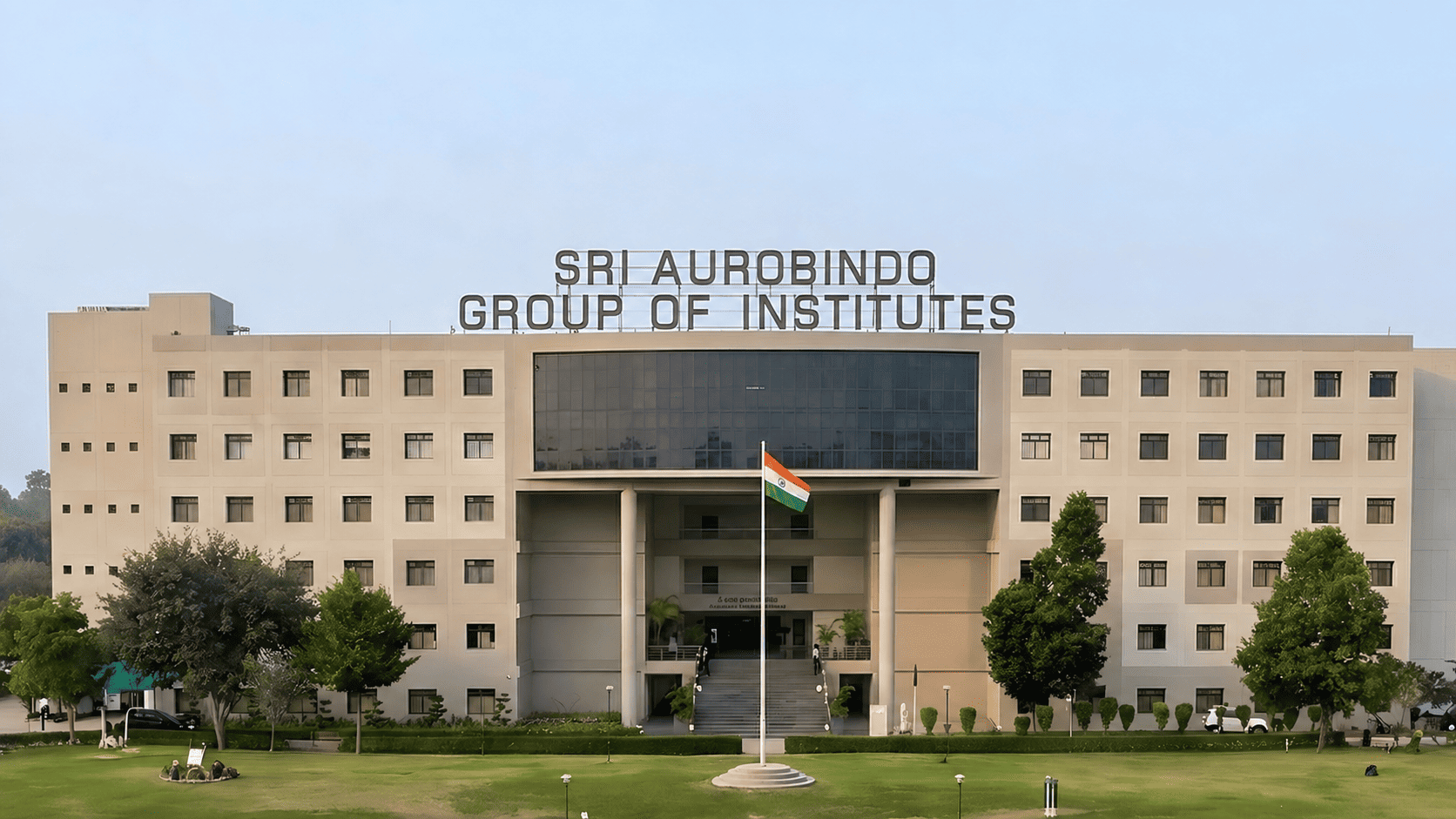
Best B.Design Course in India: How to Actually Choose One
Searching for the "best B.Design course in India" pulls up hundreds of institutes, each claiming to be top-ranked, industry-connected, and placement-guaranteed. Almost none of that helps you actually decide. Design education, more than most fields, depends heavily on how it's taught — not just where.
Here's a straightforward framework for evaluating B.Design courses across India, and where CDS's approach fits within it.
Design Education Isn't One-Size-Fits-All
Before comparing colleges, it helps to understand that "B.Design" isn't a single standardized curriculum the way, say, a B.Tech in a specific branch is. Different institutes structure their B.Des programs very differently:
- Some are heavily theory-based, with design history and case studies dominating the syllabus
- Some are software-training-heavy, focused on tool proficiency (Adobe Suite, Figma, CAD)
- Some are genuinely studio-based, where the majority of learning happens through hands-on making, critique, and iteration
This last model — studio-based education — is what most design professionals will tell you actually builds employable designers, because it mirrors how design work happens in the real world: brief, draft, critique, revise, repeat.
Five Things That Actually Separate a Strong B.Design Course
1. Studio culture over lecture culture The single biggest differentiator. A design classroom that runs like an engineering lecture hall — professor at the front, students taking notes — fundamentally misrepresents how design is practiced. Ask any college directly: how many hours per week are studio-based, hands-on sessions versus theory lectures?
2. Batch size and mentorship access Design feedback needs to be individual and specific. "Your typography hierarchy isn't guiding the eye correctly" is a note that only works one-on-one. Large batches make this kind of mentorship structurally impossible, no matter how good the faculty is.
3. Real project briefs, not textbook exercises The strongest B.Des programs assign projects that mirror actual industry workflows and constraints — client-style briefs, real limitations, iterative feedback — rather than isolated exercises designed purely to test a technique.
4. University affiliation and AICTE approval This affects everything from degree recognition to eligibility for postgraduate design programs and certain government or PSU roles. Always confirm this directly rather than assuming.
5. Interdisciplinary exposure The best designers today move fluidly across disciplines — a UI/UX designer who understands branding, or a graphic designer who understands basic interaction design, is far more valuable than a narrow specialist. Strong B.Des programs are structured to expose students to multiple design disciplines before they specialize.
Where CDS Fits This Framework
Center for Design Studies (CDS), established in Indore in 2021, was built specifically around this studio-based model rather than adapting a lecture-based structure for design. It offers a four-year B.Design program, affiliated to Rajiv Gandhi Proudyogiki Vishwavidyalaya (RGPV) and approved by AICTE.
A few specifics worth understanding:
- Daily studio practice — learning happens primarily through making, experimentation, critique, and collaborative work, not passive lectures
- Small, focused batches — allowing genuine mentorship and individual guidance rather than generic group instruction
- Industry-oriented projects — assignments are built to reflect real creative workflows used across the design industry, not simplified academic exercises
- A deliberately interdisciplinary creative environment — encouraging students to explore across visual design, product design, interaction design, and beyond, rather than narrowing too early
This structure directly targets the five factors above — which is a meaningfully different starting point than colleges that simply added "B.Des" to an existing engineering-style academic model.
What a Four-Year Structure Enables
A four-year program (as opposed to shorter design diplomas or three-year programs at some institutes) gives students real room to explore multiple design disciplines — UI/UX, graphic and communication design, product design, animation and motion design — before committing to a specialization. That extra time matters: design maturity comes from repeated iteration over years, not weeks, and rushing this process tends to produce designers who are technically competent but creatively underdeveloped.
Career Outcomes to Expect
A strong, studio-based B.Design education opens paths into:
- UI/UX and product design roles at tech and product companies
- Graphic, branding, and communication design at agencies and in-house teams
- Game and interactive design roles in India's growing gaming sector
- Industrial and product design across manufacturing and consumer goods
- Animation, motion design, and visual storytelling roles
- Independent design practice and creative entrepreneurship
Because employers in the design industry weigh portfolios heavily, the quality of your studio-based project work over four years often matters more to your first job than the name of the college on your degree — which is exactly why the structure of your education deserves more scrutiny than its ranking or reputation alone.
Making the Decision
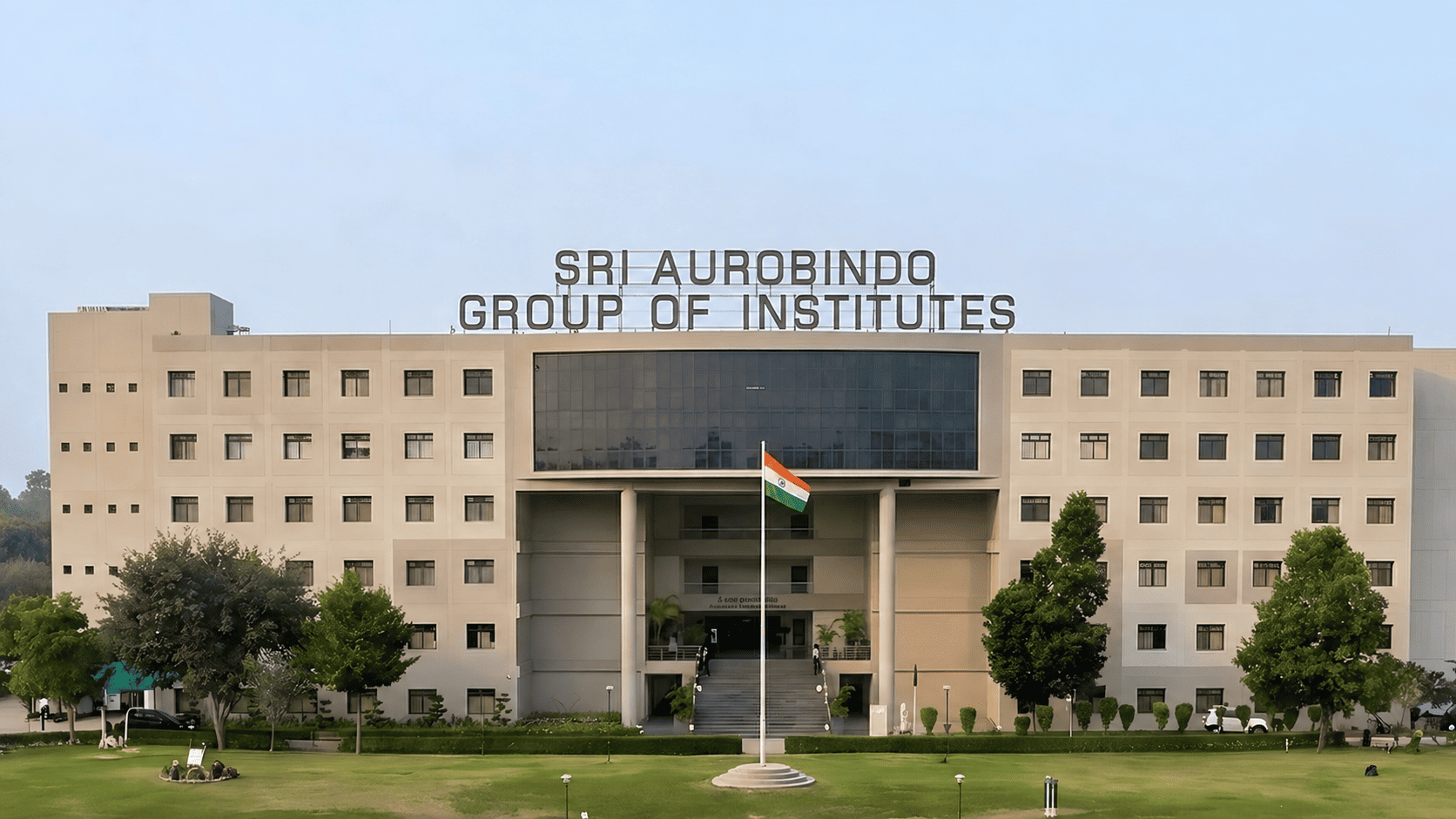
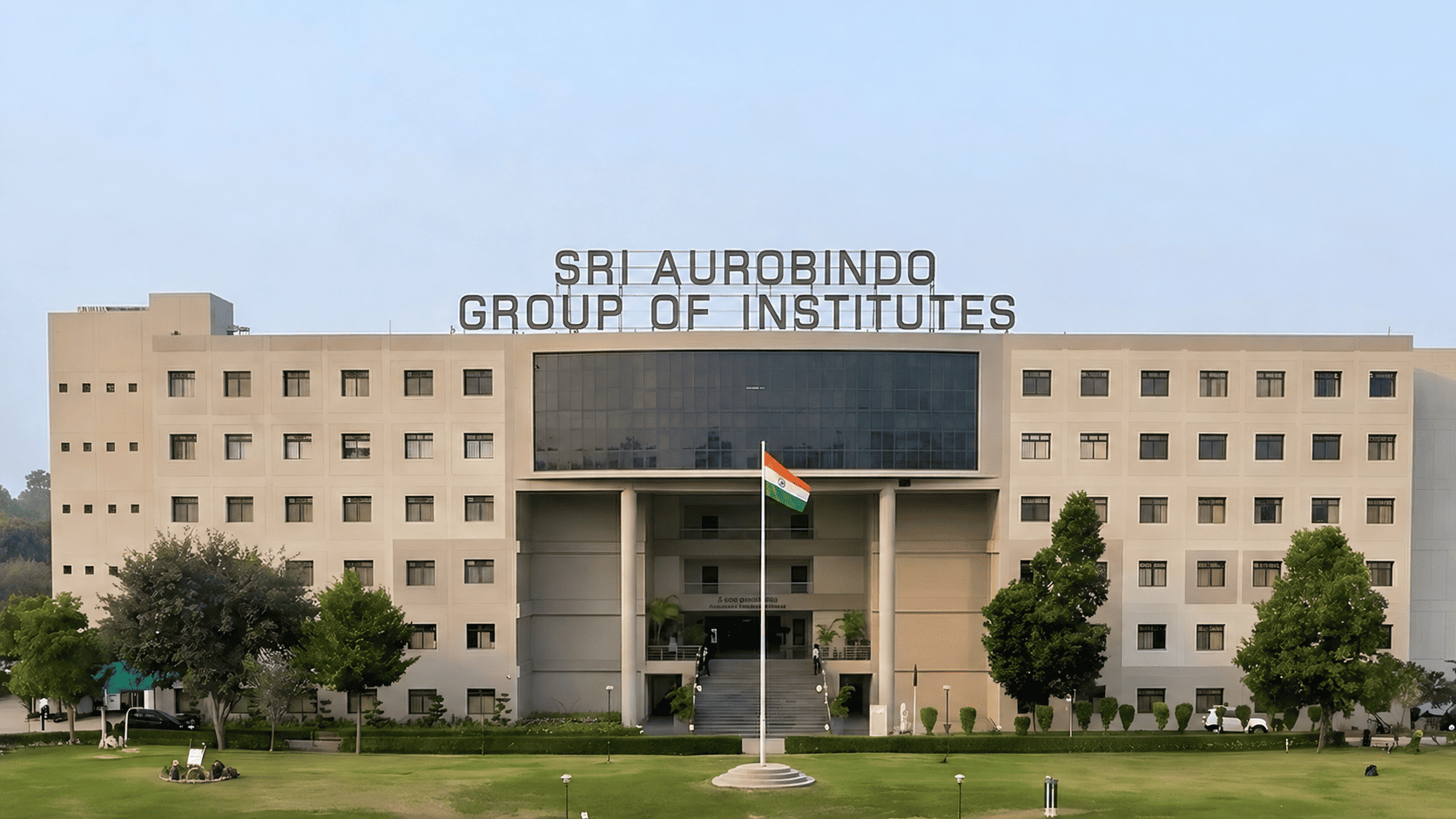
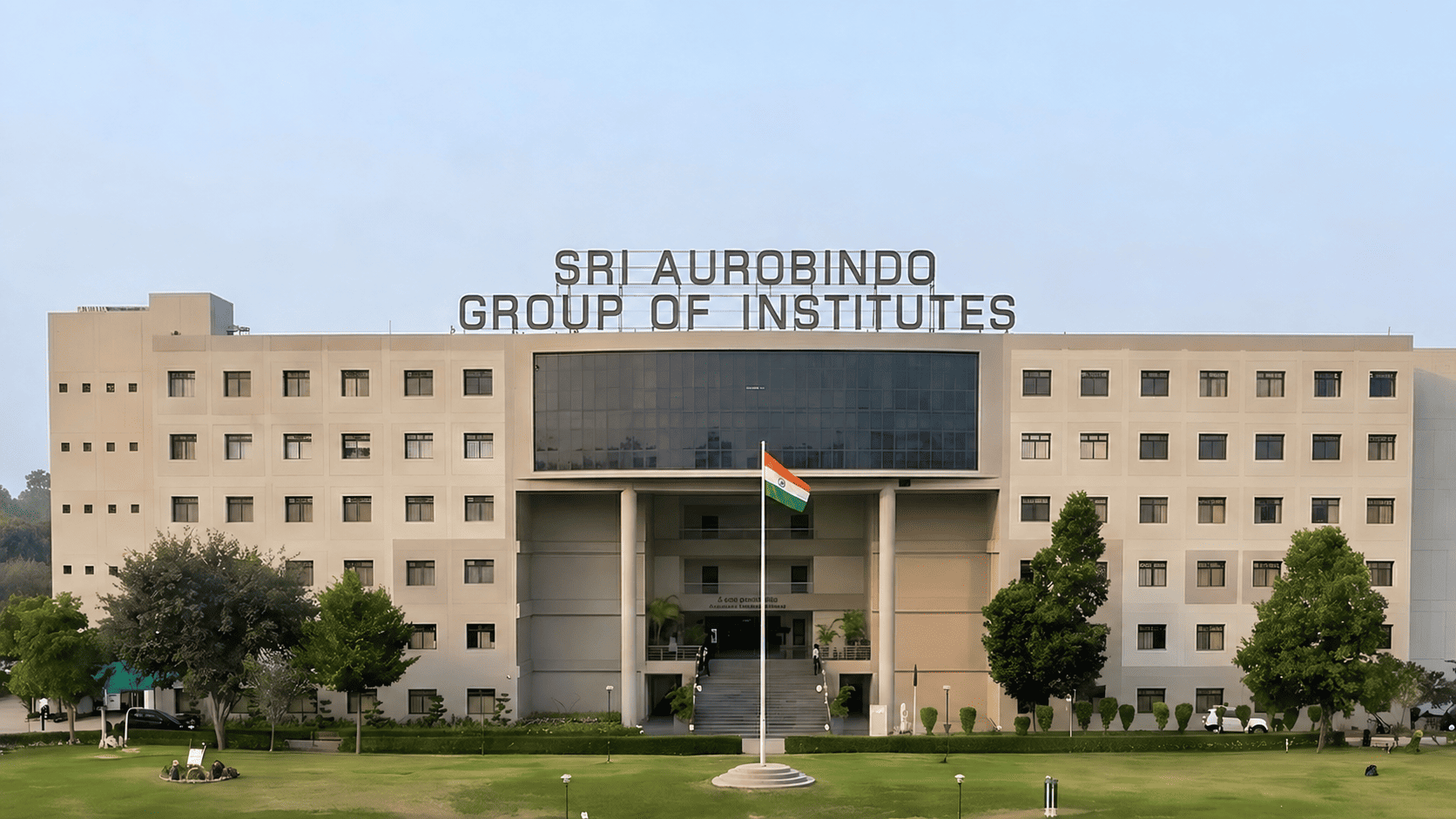
If you're comparing B.Design courses across India, don't just compare brochures — ask direct questions about studio hours, batch sizes, and real project structures. If you want to see how a studio-first model works in practice, explore the CDS B.Des program, or apply through the Sri Aurobindo Admissions Portal.
Quick Answers
What is the best B.Design course structure to look for in India? A studio-based program with small batches, real industry-style project briefs, and university affiliation with AICTE approval — rather than a lecture-heavy or purely theory-driven curriculum.
How long is a B.Design program typically? Most B.Design programs in India, including CDS's, run for four years, though shorter diploma-style options also exist.
Is CDS's B.Design program recognized? Yes. It is affiliated to RGPV and approved by AICTE.
Does college ranking matter more than teaching structure for design careers? In design specifically, portfolio quality — shaped directly by how hands-on and mentorship-driven the program is — tends to matter more to employers than institutional ranking alone.
How do I apply to CDS? Apply through the Sri Aurobindo Admissions Portal.
Latest News and Events