Pharm D (Doctorate in Pharmacy) Colleges in India 2026 | SAIP Indore
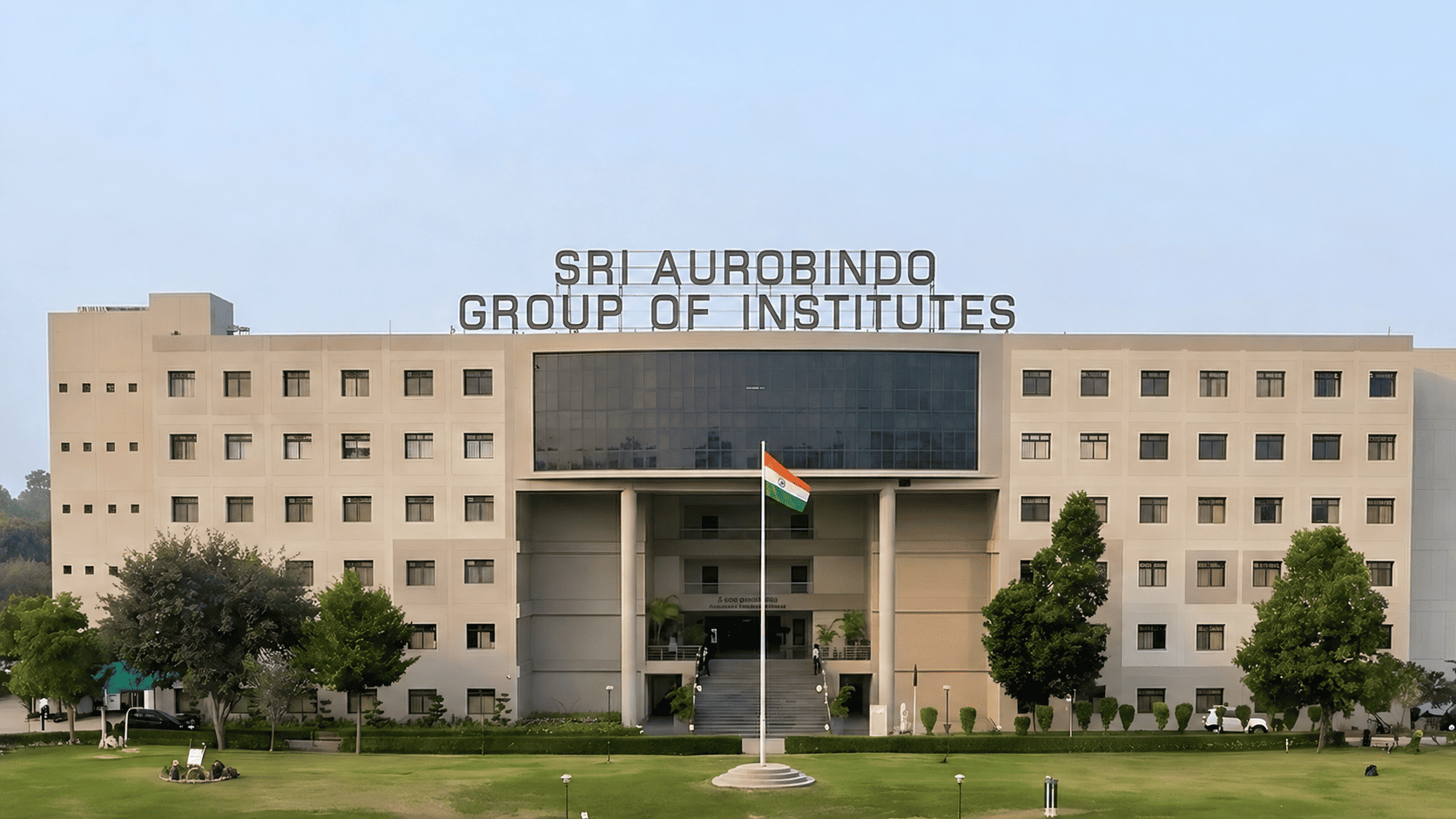
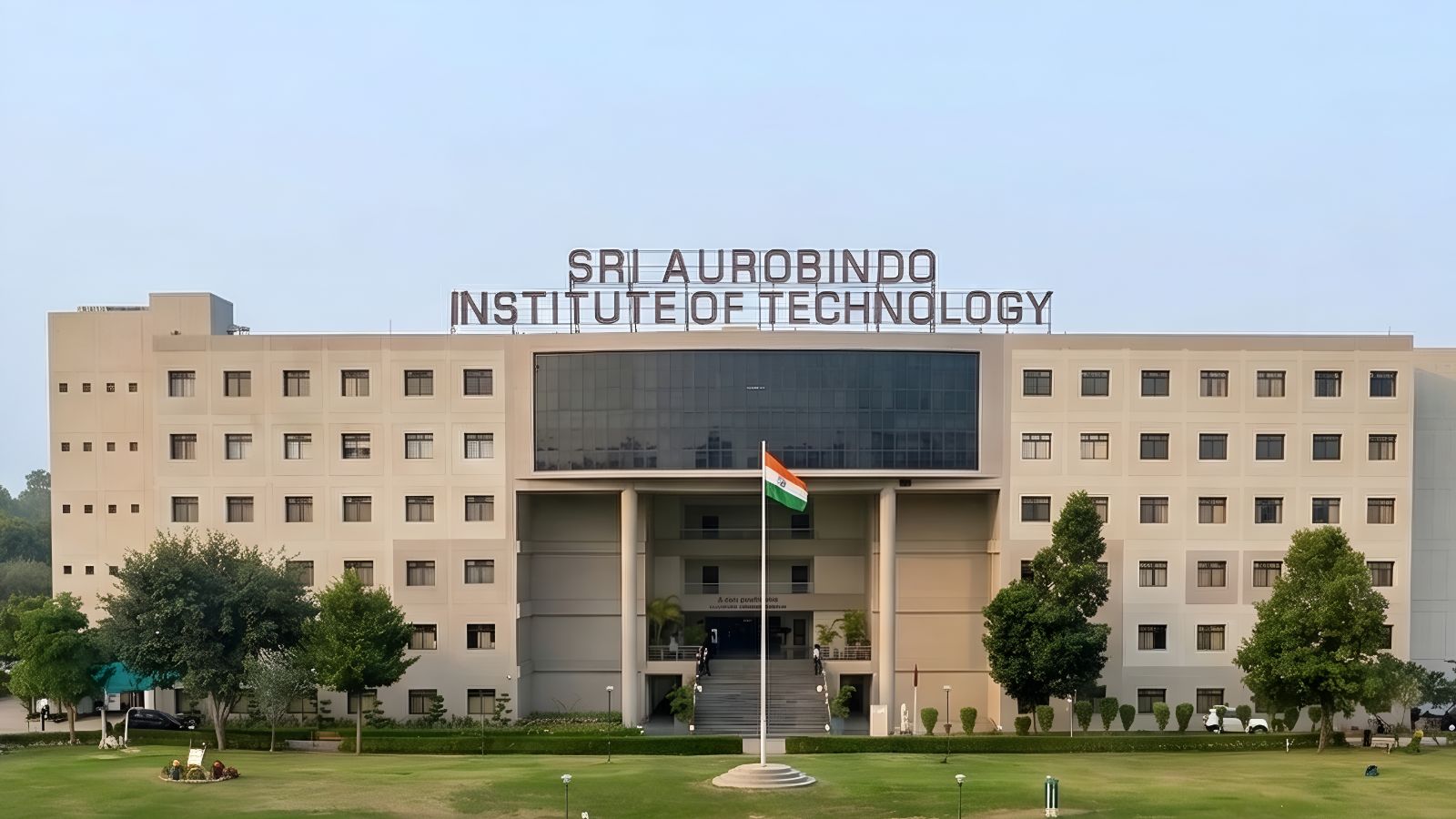
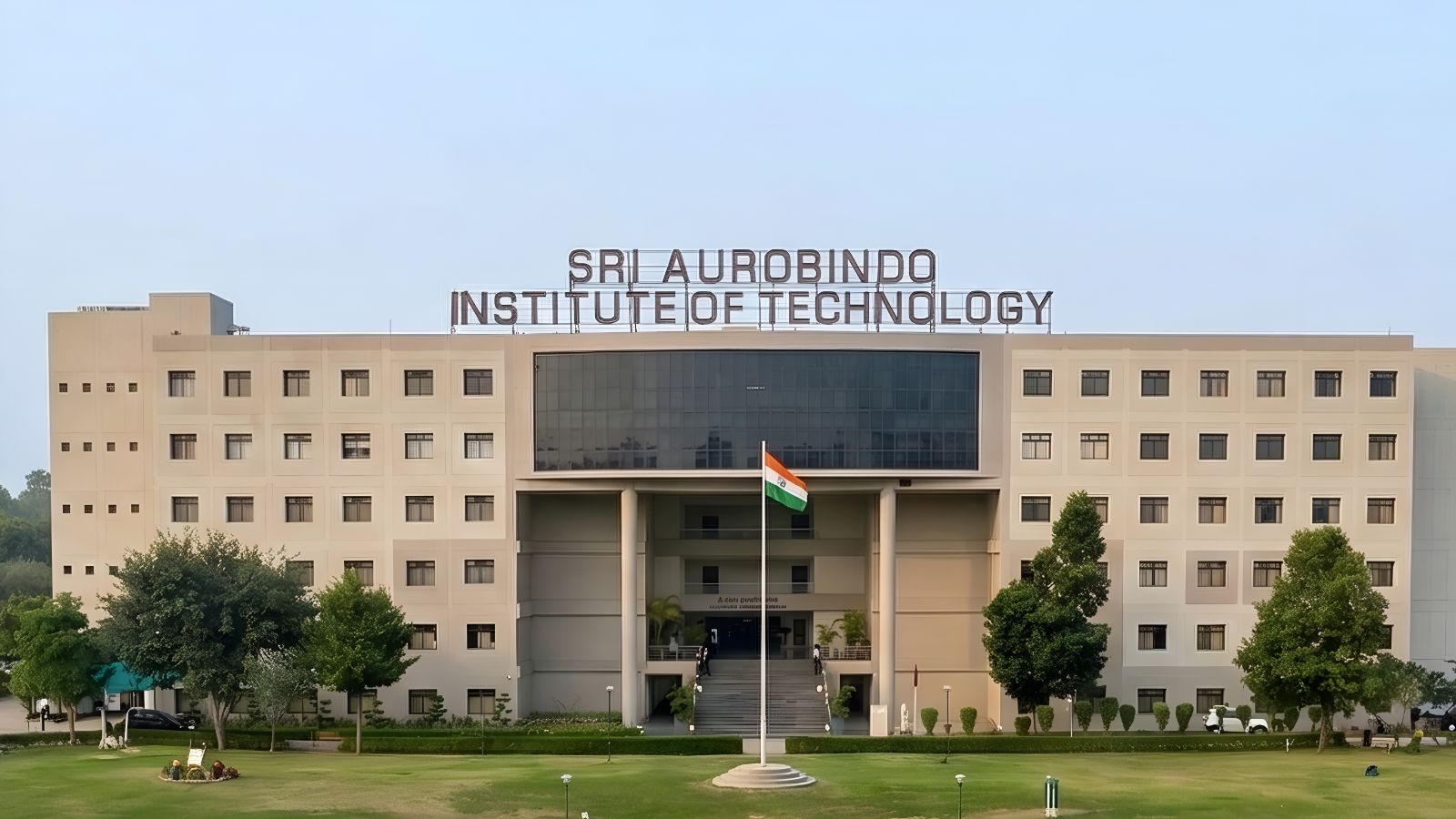
Pharm D - the Doctorate in Pharmacy, is India's most advanced pharmacy qualification and one of the most powerful healthcare degrees a student can pursue after Class 12. But with limited genuine Pharm D colleges in India, choosing the right one is critical. This 2026 guide covers the complete Pharm D course structure, lists the top Pharm D colleges across India, and explains exactly why SAIP (Sri Aurobindo Institute of Pharmacy), Indore stands out as the smartest Pharm D choice for Central India.
In the hierarchy of pharmacy education in India, Pharm D sits at the very top. It is the only pharmacy qualification in the country that carries 'Doctorate' status — and that title is earned, not given. The Pharm D degree demands six years of rigorous academic, pharmaceutical, and clinical training, culminating in a year of hands-on hospital practice that puts graduates in direct patient care settings.
And yet, despite its stature, the Pharm D degree remains one of the most underexplored pharmacy options among Indian students. Many students don't fully understand what it involves, how it differs from B.Pharm, or — most critically — which colleges in India actually deliver on the degree's demanding clinical requirements.
That's exactly what this guide is for. If you're a student or parent exploring Pharm D for 2026 admissions, you're in the right place. We'll break down the course structure completely, list the top Pharm D colleges in India, explain what to look for when choosing one, and make the case for why SAIP (Sri Aurobindo Institute of Pharmacy), Indore is one of the best Pharm D colleges in Central India.
What Is Pharm D? - The Doctorate in Pharmacy Explained Fully
Pharm D stands for Doctor of Pharmacy. It is a 6-year professional pharmacy degree — regulated by the Pharmacy Council of India (PCI) — that combines advanced pharmaceutical science with real clinical practice in hospital settings. It is distinct from B.Pharm in both its length and its clinical depth.
|
Pharm D — Key Facts |
Details |
|
Full Name |
Doctor of Pharmacy (Pharm D) |
|
Duration |
6 Years — 5 years academic + 1 year hospital clerkship (internship) |
|
Regulatory Body |
Pharmacy Council of India (PCI) |
|
Eligibility |
10+2 with PCB or PCM, minimum 50% marks |
|
Admission Route |
State counselling or direct institute admission |
|
Degree Status |
Professional Doctorate — the highest pharmacy qualification in India |
|
Core Focus |
Clinical pharmacy, patient care, drug therapy management |
|
Hospital Training |
1 year compulsory residential clerkship in a recognised hospital |
|
Career Paths |
Clinical Pharmacist, Hospital ICU, Pharmacovigilance, Clinical Research, International Practice |
|
Further Studies |
M.Pharm, PhD (Pharmaceutical Sciences), Fellowship programs |
|
International Scope |
USA (FPGEC), UK (GPhC), Middle East, Canada — recognised globally |
Pharm D Course Structure - Year-by-Year Breakdown
Understanding what you'll study across 6 years helps you make an informed choice. Here is the year-wise structure of the Pharm D program as per PCI guidelines:
|
Year |
Key Subjects |
Training Focus |
|
Year 1 |
Human Anatomy & Physiology, Pharmaceutics, Pharmaceutical Analysis, Pharmaceutical Inorganic Chemistry, Remedial Maths / Biology |
Foundation — Science & Pharmacy Basics |
|
Year 2 |
Pharmaceutical Organic Chemistry, Pathophysiology, Pharmaceutical Microbiology, Pharmacognosy, Pharmacology-I |
Building Pharmaceutical Knowledge |
|
Year 3 |
Medicinal Chemistry, Pharmacology-II, Pharmaceutical Jurisprudence, Pharmaceutical Formulations, Hospital & Clinical Pharmacy-I |
Entry into Clinical World |
|
Year 4 |
Pharmacotherapeutics-I, Clinical Pharmacy Practice, Pharmacovigilance, Clinical Toxicology, Pharmacokinetics |
Core Clinical Pharmacy Practice |
|
Year 5 |
Pharmacotherapeutics-II & III, Clinical Research, Biostatistics, Novel Drug Delivery, Herbal Drug Technology |
Advanced Clinical & Research Skills |
|
Year 6 ? |
HOSPITAL CLERKSHIP — Full-time residential internship in a recognised hospital across all clinical departments |
Real Patient Care — ICU, Wards, OPD |
Year 6 — the hospital clerkship — is the defining element of the Pharm D degree. It is where classroom knowledge meets real patients, real doctors, and real clinical decisions. The quality of this year depends entirely on the hospital attached to your college. Colleges without strong hospital partnerships cannot provide a clerkship that matches the degree's demands.
This is where SAIP's advantage becomes impossible to ignore.
How to Evaluate Pharm D Colleges in India 2026 - The Right Checklist
Not all PCI-approved Pharm D colleges deliver the same quality. Use this framework to evaluate every college you're considering:
|
Evaluation Point |
Why It's Critical for Pharm D |
SAIP Status |
|
PCI Approval (Pharm D) |
Without this, your 'Pharm D' degree has zero legal standing |
? PCI Approved |
|
University Affiliation |
Determines exam standards and degree recognition |
? RGPV Affiliated |
|
Own / Attached Hospital |
Year 6 clerkship quality depends entirely on this |
? SAMIMS Hospital |
|
Bed Strength of Hospital |
More beds = more patient diversity = richer clerkship |
? 900+ Bed Hospital |
|
Clinical Pharmacy Faculty |
Must have practicing clinical pharmacists on faculty |
? Clinical Faculty |
|
ICU / Speciality Ward Access |
Pharm D requires multi-speciality clinical exposure |
? Multi-speciality Access |
|
Pharmacovigilance Centre |
PCI requirement — drug safety monitoring exposure |
? Active Centre |
|
Drug Information Centre |
Core Pharm D training component |
? Operational |
|
Placement & Career Support |
Hospital jobs don't come automatically — active TPO needed |
? Year-Round TPO |
Top Pharm D (Doctorate in Pharmacy) Colleges in India 2026
India has a limited number of colleges that offer Pharm D with genuine clinical depth. Here is a list of notable institutions — alongside SAIP, which stands as the premier Pharm D college for students across Central India:
|
# |
Institution |
Location |
|
1 |
JSS College of Pharmacy |
Ooty, Tamil Nadu & Mysuru, Karnataka |
|
2 |
Manipal College of Pharmaceutical Sciences |
Manipal, Karnataka |
|
3 |
Amrita School of Pharmacy |
Kochi, Kerala |
|
4 |
KLE University College of Pharmacy |
Belagavi, Karnataka |
|
5 |
Sri Ramachandra Institute of Higher Education |
Chennai, Tamil Nadu |
|
6 |
PSG College of Pharmacy |
Coimbatore, Tamil Nadu |
|
7 |
Poona College of Pharmacy |
Pune, Maharashtra |
|
8 |
Shri Vishnu College of Pharmacy |
Bhimavaram, Andhra Pradesh |
|
? |
SAIP — Sri Aurobindo Institute of Pharmacy |
Indore, Madhya Pradesh — Premier Pharm D College, Central India |
A critical observation: almost every nationally prominent Pharm D college in India is located in South India or Maharashtra. For the entire belt of Madhya Pradesh, Chhattisgarh, Rajasthan, Uttar Pradesh, Gujarat, and neighbouring states — representing hundreds of millions of people — genuinely strong Pharm D options are extremely limited.
SAIP fills this gap. It is the leading Pharm D institution in Central India — not by default, but by merit: PCI approved, RGPV affiliated, backed by the Sri Aurobindo Group, and supported by an integrated multi-speciality hospital that gives students what every Pharm D clerkship demands — real patients, real wards, and real clinical pharmacy practice.
Why SAIP Is the Best Pharm D College for Central India in 2026
The Hospital Question — And Why SAIP Wins It
Every serious Pharm D student should ask one question before choosing a college: Where will I do my Year 6 clerkship, and how good is that hospital?
Most Pharm D colleges send their students to distant partner hospitals for clerkship — hospitals with which the college has a memorandum, not an operational relationship. The quality of that experience varies enormously and is often difficult to verify in advance.
SAIP's answer to this question is unambiguous: Sri Aurobindo Medical College & PG Institute (SAMIMS) — a 900+ bed multi-speciality teaching hospital that is part of the same Sri Aurobindo Group. Not a distant partner. Not a signed MoU. An actual hospital on the same institutional campus.
For Pharm D students, this means:
-
ICU rotations — observing and participating in critical care drug management
-
Speciality ward rounds — medicine, surgery, cardiology, oncology, paediatrics
-
OPD patient counselling and medication therapy review
-
Drug Information Centre services — real DIC work, not simulations
-
Adverse Drug Reaction (ADR) monitoring and pharmacovigilance reporting
-
Medication error detection and reporting systems
-
Interaction with a large, diverse patient population across all specialities
Clinical Pharmacy Faculty — Teachers Who Have Actually Practiced
Pharm D is not a course that can be effectively taught by faculty who've only worked in a laboratory or taught from a textbook. Clinical pharmacy requires faculty who understand hospitals — who know what an ICU chart looks like, how a multidisciplinary patient care round works, and what a clinical pharmacist actually does in a live ward setting.
SAIP's Pharm D faculty includes clinical pharmacists with hospital experience, pharmacologists with active research credentials, and academic staff dedicated to keeping the curriculum current with international clinical pharmacy standards.
PCI Approval + RGPV Affiliation — Credentials That Travel Everywhere
Your Pharm D degree needs to be recognised — in India for government jobs, private hospitals, and licensing, and internationally for practice or higher studies abroad. SAIP's Pharm D is fully PCI approved and affiliated to Devi Ahilya Vishwavidyalaya (RGPV), Indore — a nationally recognised university with strong academic standing.
Whether you want to practice in India, appear for the FPGEC exam for USA licensure, register with the UK's GPhC, or pursue postdoctoral studies — SAIP's Pharm D gives you a credential that holds up.
Sri Aurobindo Group — The Legacy That Backs Your Degree
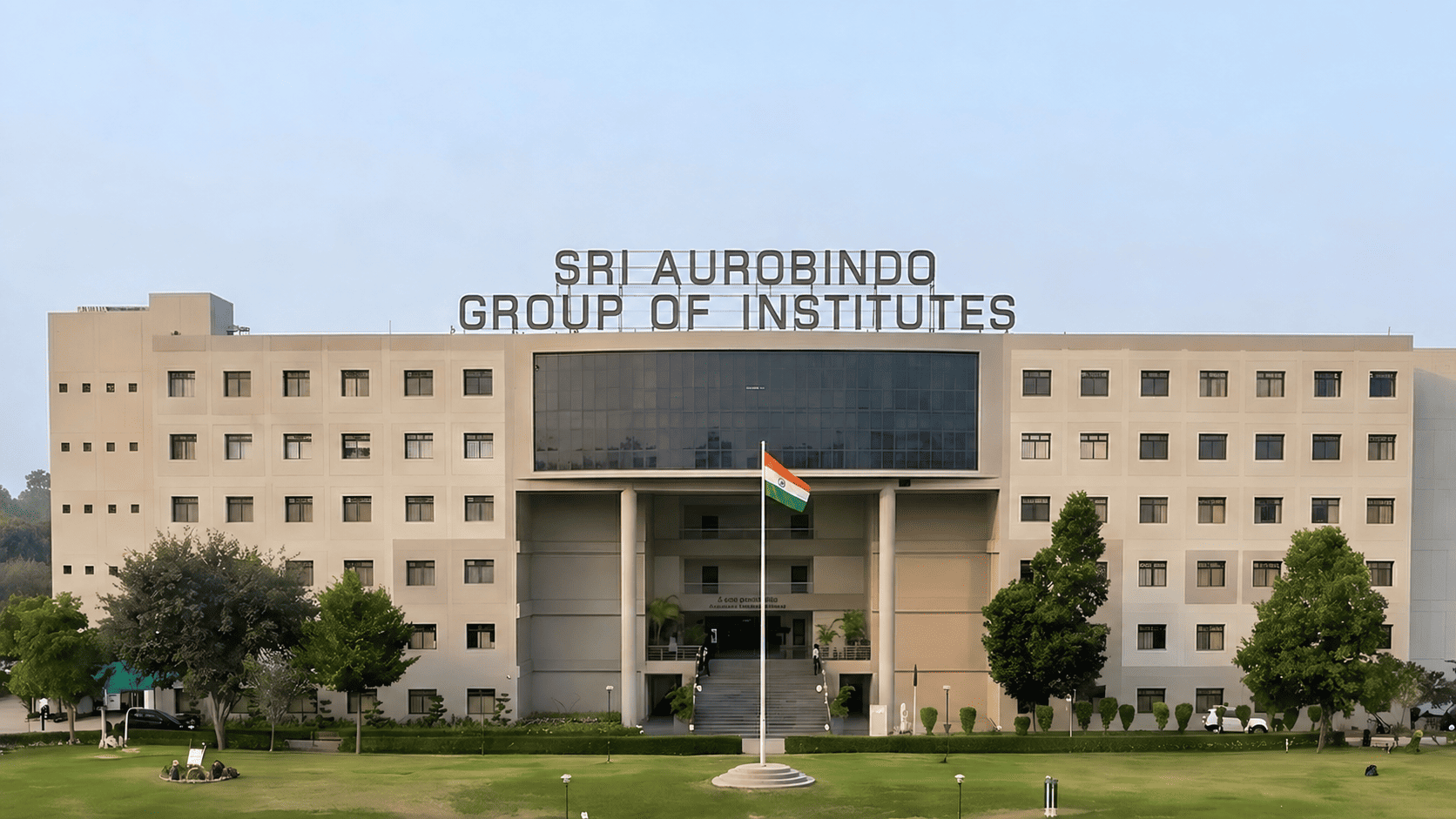
The Sri Aurobindo Group of Institutes has built one of Central India's most trusted educational reputations over decades. This legacy isn't just about prestige — it's about employer trust, alumni networks, and the institutional seriousness that shapes how a college runs its programs.
When an employer sees 'Sri Aurobindo Institute of Pharmacy' on a resume, they recognise it. That recognition opens conversations, creates opportunities, and reflects on every graduate's career from day one.
Career Scope After Pharm D in India 2026 — Where Can You Go?
Pharm D opens doors that no other pharmacy degree in India can match. Here's a structured overview of career opportunities after the Doctorate in Pharmacy:
|
Career Path |
Where / Who Hires |
Avg. Pay (India) |
|
Clinical Pharmacist |
Multi-speciality hospitals, corporate hospital chains |
?3.5–7 LPA |
|
ICU / Critical Care Pharmacist |
Tertiary care hospitals, AIIMS-level institutions |
?4–8 LPA |
|
Pharmacovigilance Analyst |
MNC pharma, CROs, drug safety organisations |
?4–8 LPA |
|
Clinical Research Associate |
Pharmaceutical R&D, CROs, and academic hospitals |
?4–9 LPA |
|
Medical Affairs Manager |
MNC Pharma — with experience |
?8–15 LPA |
|
Drug Information Specialist |
Hospital DIC, poison control centres |
?3.5–6 LPA |
|
Pharm D Faculty |
Pharmacy colleges (growing demand for Pharm D faculty) |
?4–8 LPA |
|
International Practice |
USA, UK, Middle East, Canada (with licensing) |
Significantly Higher |
The international opportunity deserves special mention. Pharm D graduates from PCI-approved colleges can pursue the FPGEC (Foreign Pharmacy Graduate Equivalency Certificate) pathway for USA practice, GPhC registration for the UK, and DHA/HAAD licensing for the UAE — with salaries that are multiples of Indian market rates. SAIP's Pharm D degree is structured to support these international licensing pathways.
Frequently Asked Questions (FAQs)
Q1. What is Pharm D (Doctorate in Pharmacy) in India?
Pharm D — Doctor of Pharmacy — is a 6-year professional pharmacy degree regulated by the Pharmacy Council of India (PCI). It consists of 5 years of academic and clinical training followed by a compulsory 1-year hospital clerkship. It is India's highest pharmacy qualification and focuses on clinical pharmacy and patient care — distinctly different from B.Pharm.
Q2. Which are the best Pharm D colleges in India in 2026?
Nationally recognised Pharm D colleges include JSS College of Pharmacy, Manipal College of Pharmaceutical Sciences, Amrita School of Pharmacy, KLE University College of Pharmacy, and Sri Ramachandra Institute. For Central India, SAIP (Sri Aurobindo Institute of Pharmacy), Indore, is the premier Pharm D institution — PCI approved, RGPV affiliated, with integrated hospital training through SAMIMS (900+ beds).
Q3. What is the eligibility for Pharm D admission in India?
Students must have passed 10+2 with Physics and Chemistry as compulsory subjects, with Biology or Mathematics as the third subject, securing a minimum of 50% marks (45% for reserved categories). Admission is through state pharmacy counselling (such as MP PEPT) or direct institute admission depending on the state.
Q4. What is the difference between Pharm D and B.Pharm?
B.Pharm is a 4-year industry-oriented degree covering pharmaceutical sciences, manufacturing, and general pharmacy. Pharm D is a 6-year clinical doctorate focused on patient-centred care, drug therapy management, and hospital practice with a mandatory 1-year hospital clerkship. Pharm D is the higher qualification and leads to clinical and international pharmacy careers that B.Pharm alone does not qualify for.
Q5. What happens in the 6th year of Pharm D (clerkship)?
The 6th year of Pharm D is a full-time, residential hospital clerkship where students rotate through different clinical departments — medicine, surgery, ICU, cardiology, paediatrics, oncology and more — practicing clinical pharmacy under supervision. They conduct patient counselling, drug therapy monitoring, ADR reporting, and drug information services. The quality of this year depends entirely on the hospital. At SAIP, clerkship is conducted at SAMIMS — a 900+ bed multi-speciality hospital within the Sri Aurobindo Group.
Q6. Can Pharm D graduates from India practice abroad?
Yes. Pharm D graduates from PCI-approved institutions can pursue international pharmacy licensing. In the USA, the FPGEC pathway is available. In the UK, GPhC registration is possible after meeting competency requirements. The Middle East (DHA, HAAD, MOH licensing) is highly accessible for Indian Pharm D graduates, often with significantly higher salaries than domestic practice.
Q7. Why is SAIP considered among the top Pharm D colleges for Central India?
SAIP combines all the critical Pharm D requirements in one place: PCI approval, RGPV university affiliation, clinical faculty with hospital experience, an operational Drug Information Centre and Pharmacovigilance Centre, and most importantly — direct access to SAIMS, a 900+ bed multi-speciality hospital within the same Sri Aurobindo Group campus. For students from MP, Chhattisgarh, Rajasthan, and surrounding states, SAIP delivers top-tier Pharm D education without requiring relocation to South India.
Conclusion - Choose Your Pharm D College Like a Clinician: Based on Evidence
Choosing a Pharm D college is not a decision to make based on proximity, fees, or a friend's suggestion. It is a six-year commitment — and the quality of that six years will shape the next forty years of your career.
The evidence for SAIP is clear. PCI approved. RGPV affiliated. A 900+ bed hospital within the same institutional group. Clinical faculty with real hospital experience. Active Drug Information and Pharmacovigilance Centres. Placement support for hospital, MNC, and clinical research careers. And the Sri Aurobindo Group's decades of educational credibility behind every degree.
For students in Madhya Pradesh and across Central India looking for the best Pharm D college in India in 2026 — SAIP is not just an option. It is the answer.
Your six years should count for something extraordinary. Make sure you spend them at a college that treats every one of those years — including Year 6 — with the seriousness the Doctorate in Pharmacy deserves.
Latest News and Events