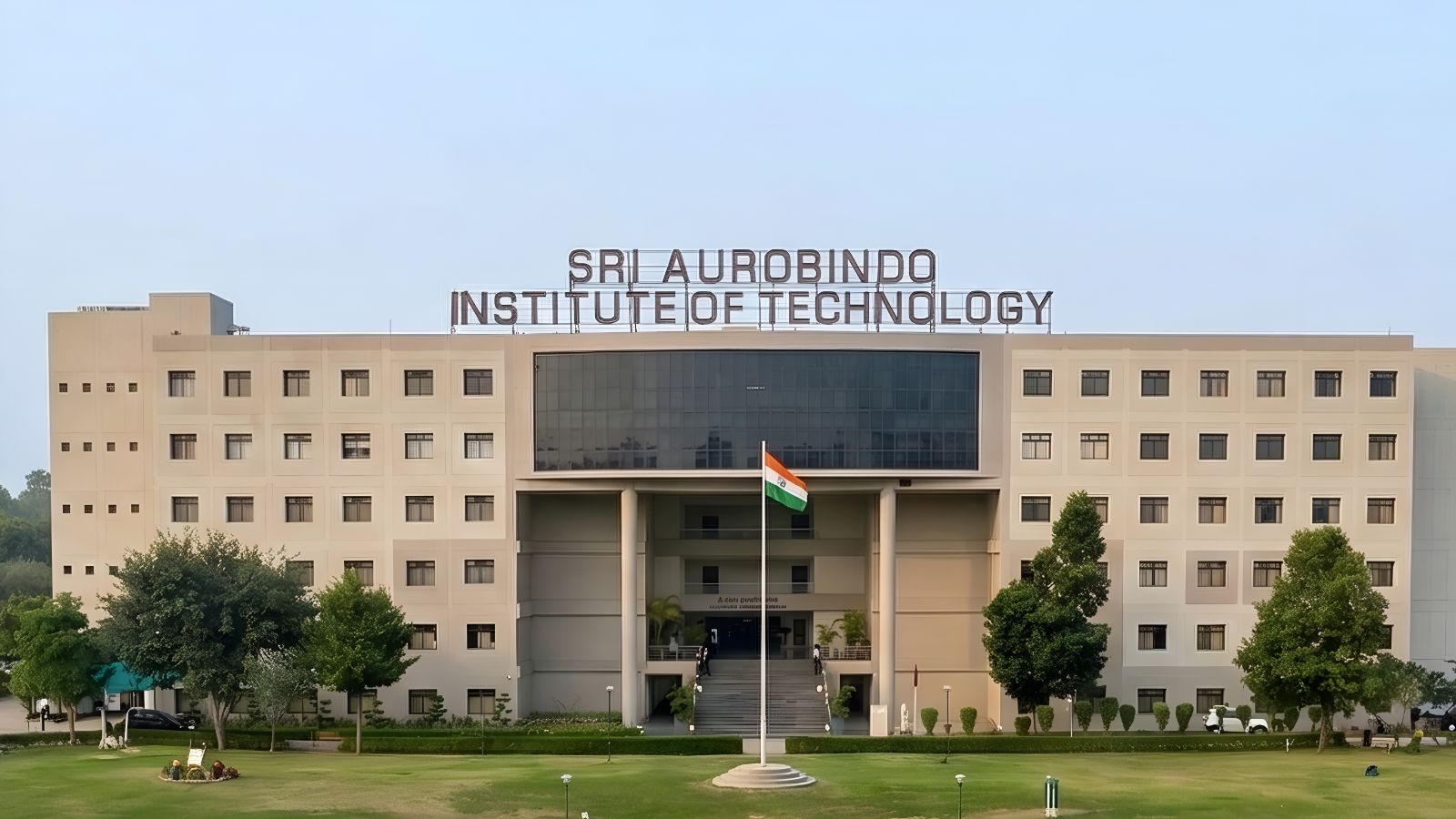
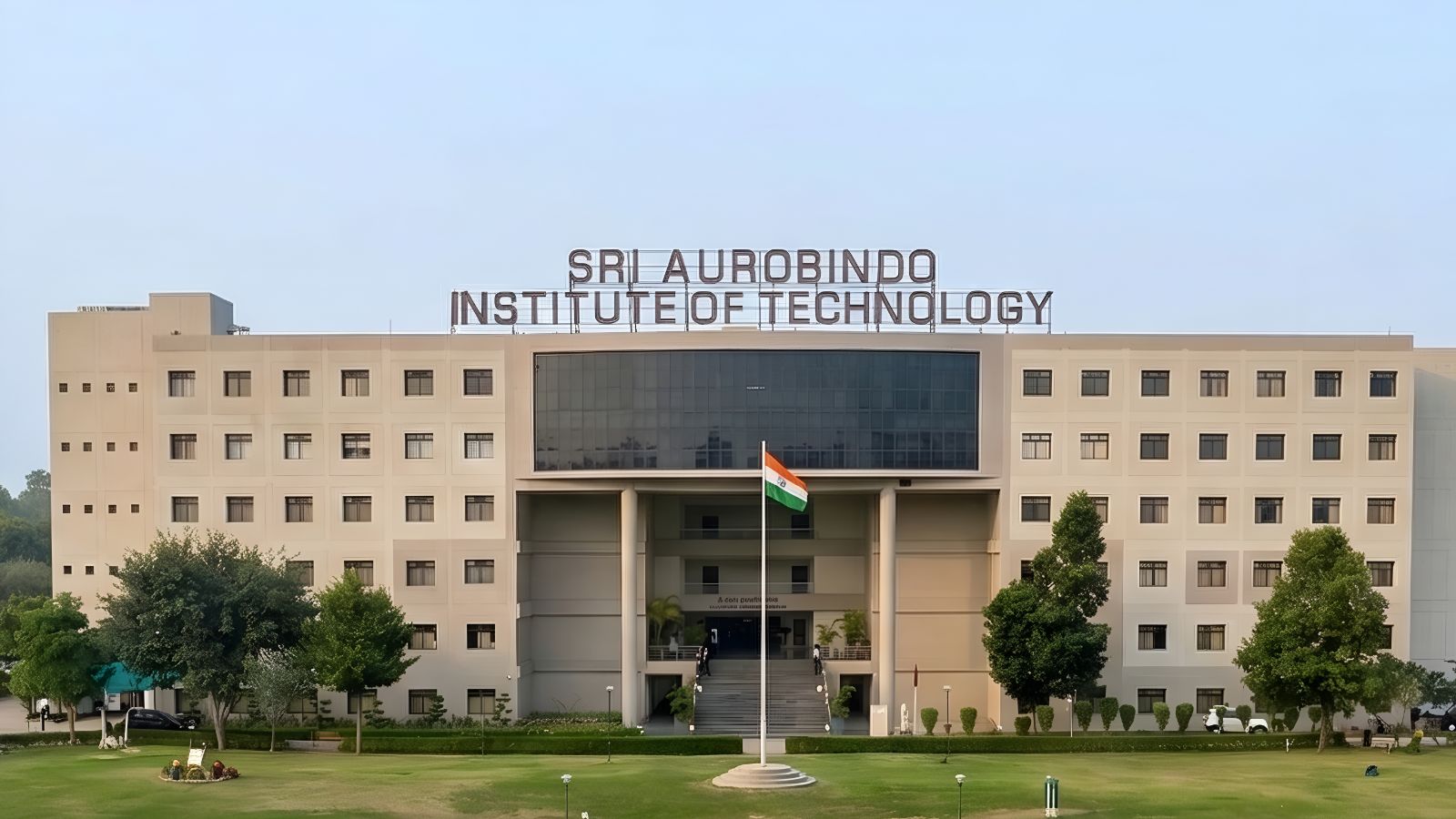
M.Pharm Colleges in MP 2026 | SAIP - Sri Aurobindo Group of Institutes, Indore
India's pharmaceutical sector is one of the fastest-growing industries in the world — and M.Pharm graduates are right at the heart of it. Whether your goal is to work in drug research, clinical trials, hospital pharmacy, regulatory affairs, or the booming pharmaceutical industry, an M.Pharm degree from the right college in Madhya Pradesh is the credential that unlocks those doors. This blog is your complete guide to M.Pharm colleges in MP — what to look for, which specialisations matter most, what career paths await, and why Sri Aurobindo Institute of Pharmacy in Indore stands out as one of the state's strongest choices for postgraduate pharmacy education.
Walk into any chemist shop, hospital pharmacy, or community health centre in India, and you will find a pharmacist behind the counter. Someone who knows their medicines, understands their patients, and plays a quiet but critical role in keeping people healthy. That person almost certainly started their journey with a Diploma in Pharmacy.
The D.Pharm — Diploma in Pharmacy — is one of India's most practical and immediately employable healthcare qualifications. It is not a long route. It is not an expensive gamble. It is a two-year, PCI-approved program that gives you the knowledge, skills, and legal authorisation to work as a registered pharmacist in India — and to do so within two years of finishing Class 12.
In a country where the pharmaceutical industry is worth over Rs 3.5 lakh crore and growing at over 10% annually, where hospitals are expanding across every tier of city, and where every pharmacy and health clinic needs qualified pharmacists — the demand for D.Pharm graduates is not just consistent. It is growing.
This guide will walk you through everything you need to know about finding and choosing the best Diploma in Pharmacy in India — what the course covers, what you can do with it, how it compares to B.Pharm, and which institution is delivering genuine quality in this space.
What is a Diploma in Pharmacy (D.Pharm)?
The Diploma in Pharmacy, or D.Pharm, is a two-year diploma-level program in pharmaceutical sciences approved by the Pharmacy Council of India (PCI). It is the minimum qualification required for registration as a pharmacist in India and for legally operating a retail pharmacy or working in a hospital pharmacy department.
D.Pharm is structured across two academic years, followed by a mandatory three-month internship that gives students hands-on experience in a real pharmacy or hospital setting before they graduate. The program covers the core sciences of pharmacy — from drug chemistry and pharmacology to pharmaceutical jurisprudence and dispensing practice.
What makes D.Pharm unique is its balance of accessibility and impact. It is open to students who have completed Class 12 with Physics, Chemistry, Biology, or Mathematics. It is typically more affordable than a B.Pharm degree. It takes only two years. And yet it qualifies you for a genuine, licensed professional role in one of the world's most important industries.
For students who want to enter the healthcare workforce quickly, build a meaningful career in pharmacy, or lay the foundation for further pharmaceutical education, D.Pharm is one of the smartest choices available after Class 12 in India.
Why India's Pharmacy Sector Makes D.Pharm One of the Best Investments After Class 12
Context matters when you are choosing a career path. Here is the landscape that D.Pharm graduates are entering in 2026:
-
India is the world's third-largest pharmaceutical producer by volume — supplying over 20% of global generic medicines
-
India's pharmaceutical market is projected to grow from Rs 3.5 lakh crore to over Rs 5 lakh crore by 2030
-
There are over 8 lakh licensed pharmacies in India — each legally required to have a registered pharmacist on the premises
-
India's hospital sector is expanding rapidly, with the government and private sector both investing heavily in new healthcare infrastructure
-
The Jan Aushadhi scheme and other government pharmacy initiatives have created thousands of new pharmacy outlets requiring qualified D.Pharm graduates
-
E-pharmacy platforms and online healthcare providers are creating an entirely new segment of pharmacy employment
-
Rural healthcare expansion under the Ayushman Bharat program is increasing the demand for community and dispensary pharmacists across tier 2, tier 3, and rural areas
The message is simple and powerful: there will always be a need for pharmacists in India. And a D.Pharm from a quality institution is the fastest legitimate route to filling that need — and building a sustainable career from it.
What Does a D.Pharm Course Cover? A Subject-by-Subject Breakdown
A well-structured D.Pharm program covers everything a pharmacist needs to know to practise safely, legally, and competently. Here is what the two-year curriculum looks like:
First Year — Building the Science Foundation
-
Pharmaceutics I — Introduction to pharmacy, dosage forms, and pharmaceutical technology
-
Pharmaceutical Chemistry I — Inorganic pharmaceutical chemistry, medicinal compounds, and chemical analysis
-
Pharmacognosy I — Natural drugs, plant biology, herbal medicinal products, and their uses
-
Biochemistry and Clinical Pathology — Biochemical processes relevant to drug action and patient assessment
-
Human Anatomy and Physiology — Structure and function of the human body, disease processes
-
Health Education and Community Pharmacy — Public health, patient counselling, and community healthcare roles
Second Year — Applied Pharmacy and Professional Practice
-
Pharmaceutics II — Advanced dosage forms, sterile preparations, hospital and clinical pharmacy
-
Pharmaceutical Chemistry II — Organic medicinal chemistry, drug synthesis, and pharmaceutical analysis
-
Pharmacology and Toxicology — Drug actions, mechanisms, therapeutic uses, side effects, and poison management
-
Pharmaceutical Jurisprudence — Pharmacy law, the Drugs and Cosmetics Act, PCI regulations, and ethical practice
-
Drug Store and Business Management — Running a pharmacy business, inventory management, GST, and financial basics
-
Hospital and Clinical Pharmacy — Dispensing, prescription analysis, patient medication counselling
Practical Training and Internship
In addition to classroom and lab-based learning across both years, D.Pharm students complete a mandatory three-month practical training period at a hospital pharmacy, retail pharmacy, or approved healthcare institution. This hands-on experience bridges the gap between classroom knowledge and real-world pharmacy practice — and is required for PCI registration.
D.Pharm vs B.Pharm - Which One Should You Choose?
This is one of the most common questions asked by pharmacy aspirants and their families. Here is an honest, clear comparison:
D.Pharm — The Practical, Fast-Track Route
-
Duration: 2 years + 3 months internship
-
Qualification level: Diploma — sufficient for pharmacist registration and practice
-
Entry requirement: Class 12 with PCB or PCM
-
Career focus: Retail pharmacy, hospital dispensing, community pharmacist, government pharmacy roles
-
Pathway after completion: Can bridge to B.Pharm with lateral entry at the second year in most states
-
Cost: Generally more affordable than B.Pharm
-
Best for: Students who want to enter the pharmacy workforce quickly, start a pharmacy business, or pursue government scheme pharmacy roles
B.Pharm — The Degree Route for Broader Opportunities
-
Duration: 4 years
-
Qualification level: Degree — required for pharmaceutical industry R&D, regulatory, and manufacturing roles
-
Entry requirement: Class 12 with PCB or PCM, or lateral entry after D.Pharm
-
Career focus: Pharmaceutical industry, clinical research, regulatory affairs, hospital pharmacy management
-
Pathway after completion: Can proceed to M.Pharm, MBA Pharma, or Ph.D.
-
Cost: Higher tuition cost, longer duration
-
Best for: Students targeting pharmaceutical industry careers, research, or further postgraduate education
The smart strategy for many students is to begin with D.Pharm, register as a pharmacist, gain real-world experience, and then pursue B.Pharm through lateral entry — building both practical credentials and an academic qualification simultaneously. SAIP supports exactly this kind of progressive educational pathway.
Career Opportunities After D.Pharm in India
Completing the best Diploma in Pharmacy in India opens a wide range of career paths. Here is a comprehensive picture of what D.Pharm graduates can do:
Community and Retail Pharmacy
-
Registered Pharmacist at a retail pharmacy or chemist shop
-
Owner or manager of a licensed retail pharmacy
-
Jan Aushadhi Kendras — government-run generic medicine outlets
-
Franchise pharmacist with major pharmacy chains like Apollo, MedPlus, and Wellness Forever
Hospital Pharmacy
-
Dispensing Pharmacist in hospital pharmacy departments
-
Drug store in charge at government and private hospitals
-
Ward pharmacist assisting clinical teams with medication management
-
Pharmacy technician in specialised hospital departments
Government and Public Sector
-
Pharmacist in government hospitals and primary health centres (PHCs)
-
Pharmacist in ESIC, CGHS, railways, defence, and central government healthcare facilities
-
Pharmacist under state health department schemes and Ayushman Bharat programs
Pharmaceutical Industry
-
Production or manufacturing assistant at pharmaceutical companies
-
Sales representative or medical representative at pharma firms
-
Drug store and supply chain management roles
-
Quality control support roles at smaller pharmaceutical manufacturing units
Further Education Pathways
-
B.Pharm — lateral entry into the second year of B.Pharm at most institutions
-
Diploma in Hospital and Clinical Pharmacy
-
Short-term courses in pharmaceutical sales, clinical research, or regulatory affairs
-
Entrepreneurship — opening your own registered pharmacy
Starting salaries for D.Pharm graduates in India range from Rs 15,000 to Rs 35,000 per month, depending on the role and employer. Hospital pharmacists in corporate chains, government pharmacists in central health schemes, and pharmacy business owners can earn significantly more. The earning potential scales well with experience and, for those who continue to B.Pharm and M.Pharm, the career trajectory opens up dramatically.
What Makes the Best Diploma in Pharmacy College in India?
With hundreds of D.Pharm colleges across India, here is how to find the ones genuinely worth your time and investment:
PCI Approval — Absolute Non-Negotiable
Every D.Pharm college in India must be approved by the Pharmacy Council of India (PCI). This is not optional. A D.Pharm from a non-PCI-approved institution has no legal validity — you cannot register as a pharmacist, you cannot legally dispense medicines, and your qualification will not be recognised by any employer or government body. Before considering any institution, verify its current PCI approval status on the official PCI website.
State Pharmacy Council Affiliation
In addition to PCI approval, D.Pharm programs should be affiliated with the relevant State Pharmacy Council and the state university. In Madhya Pradesh, this means affiliation with institutions like DAVV (Devi Ahilya Vishwavidyalaya) or Barkatullah University, and registration with the Madhya Pradesh State Pharmacy Council. Confirm both before applying.
Well-Equipped Pharmaceutical Labs
D.Pharm is a practical, lab-intensive course. Your college must have a fully equipped dispensing lab, pharmaceutical chemistry lab, pharmacognosy lab with plant specimens and crude drug collections, pharmacology lab, and a hospital-style drug store for training purposes. Institutions that skimp on lab infrastructure produce graduates who are book-smart but practically underprepared — and employers notice.
Qualified and Committed Faculty
The quality of your D.Pharm teachers determines the quality of your preparation for professional practice. Look for colleges with faculty who have M.Pharm or Ph.D. qualifications in relevant pharmaceutical disciplines, genuine teaching experience, and a commitment to preparing students for the real demands of pharmacy practice — not just passing examinations.
Hospital Tie-Up for Practical Training
The mandatory three-month practical training that is a requirement of D.Pharm must be completed at an approved hospital or pharmacy. Colleges with established tie-ups with hospitals and retail pharmacy chains ensure that students complete this training in environments that genuinely develop their skills — not as a paperwork formality.
Strong Pass Rate and Board Examination Support
D.Pharm students appear for university-level examinations that determine their final qualification. Colleges with a strong track record of examination performance — and that provide active academic support, mock tests, and revision sessions — give their students a genuine advantage when it matters most.
Pathway to B.Pharm
The best D.Pharm colleges are those that are also connected to B.Pharm and M.Pharm programs — allowing students who want to continue their education to do so within a familiar, trusted institutional environment. Continuity of education within a strong institution is a real advantage.
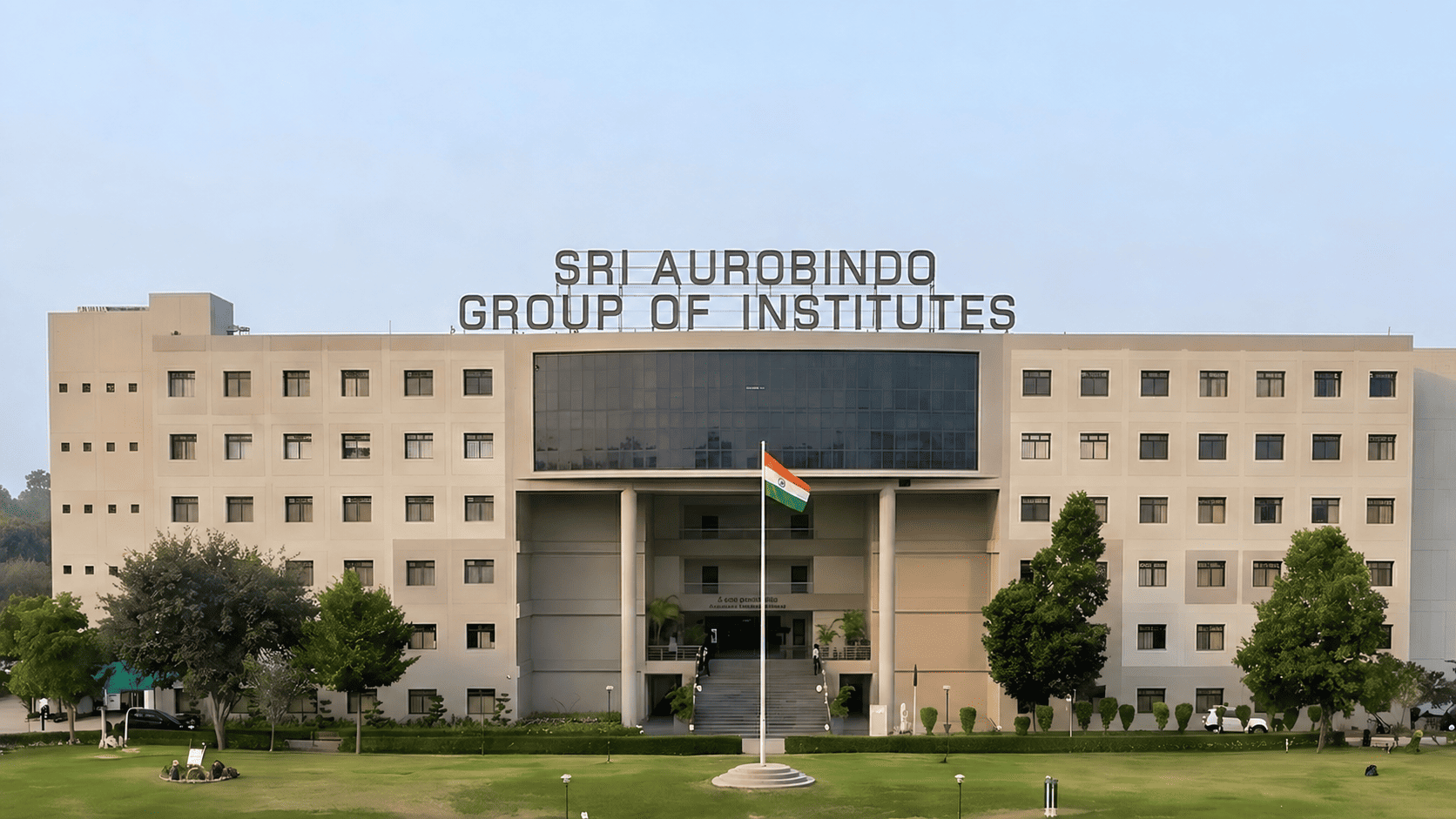
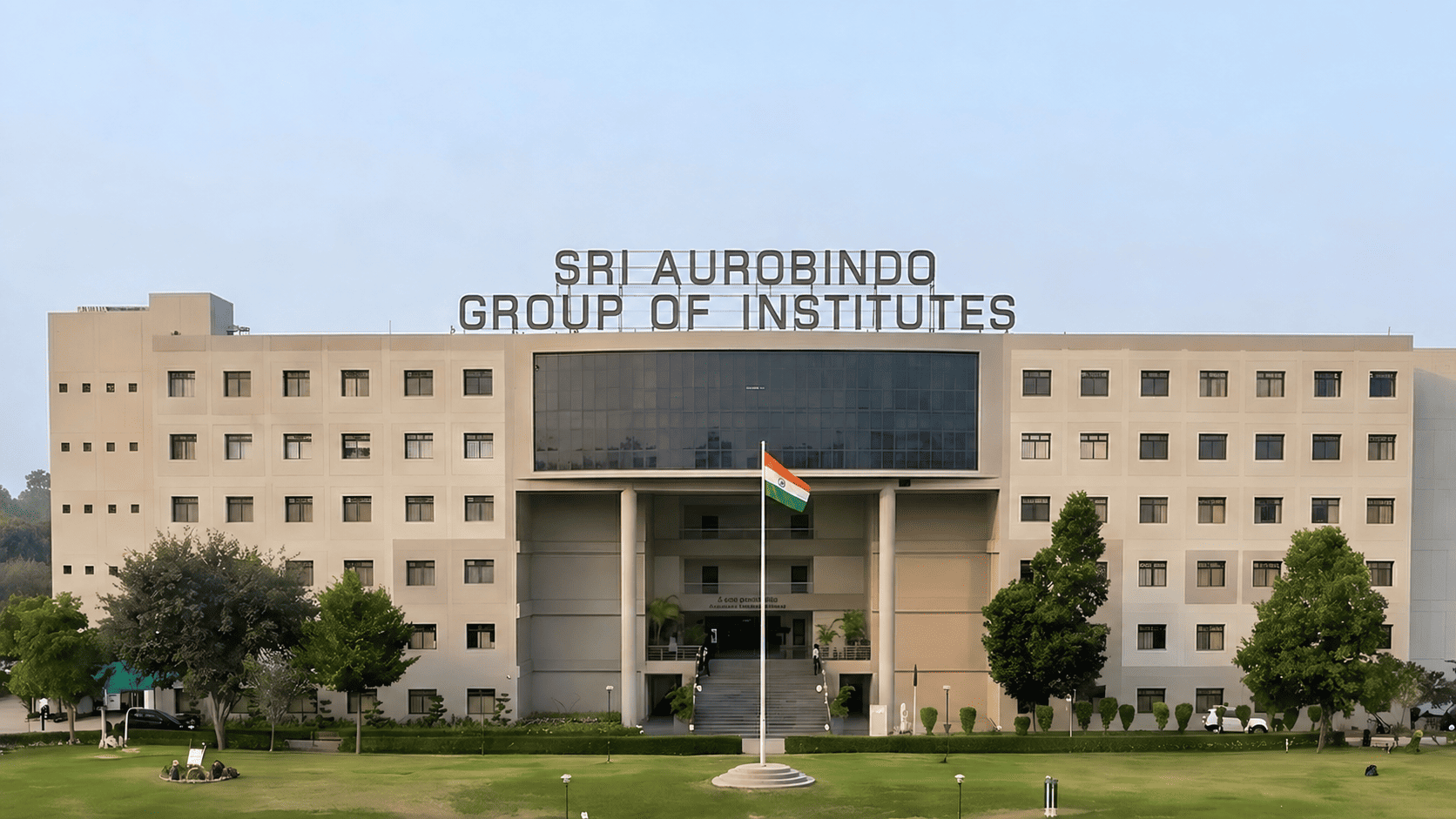
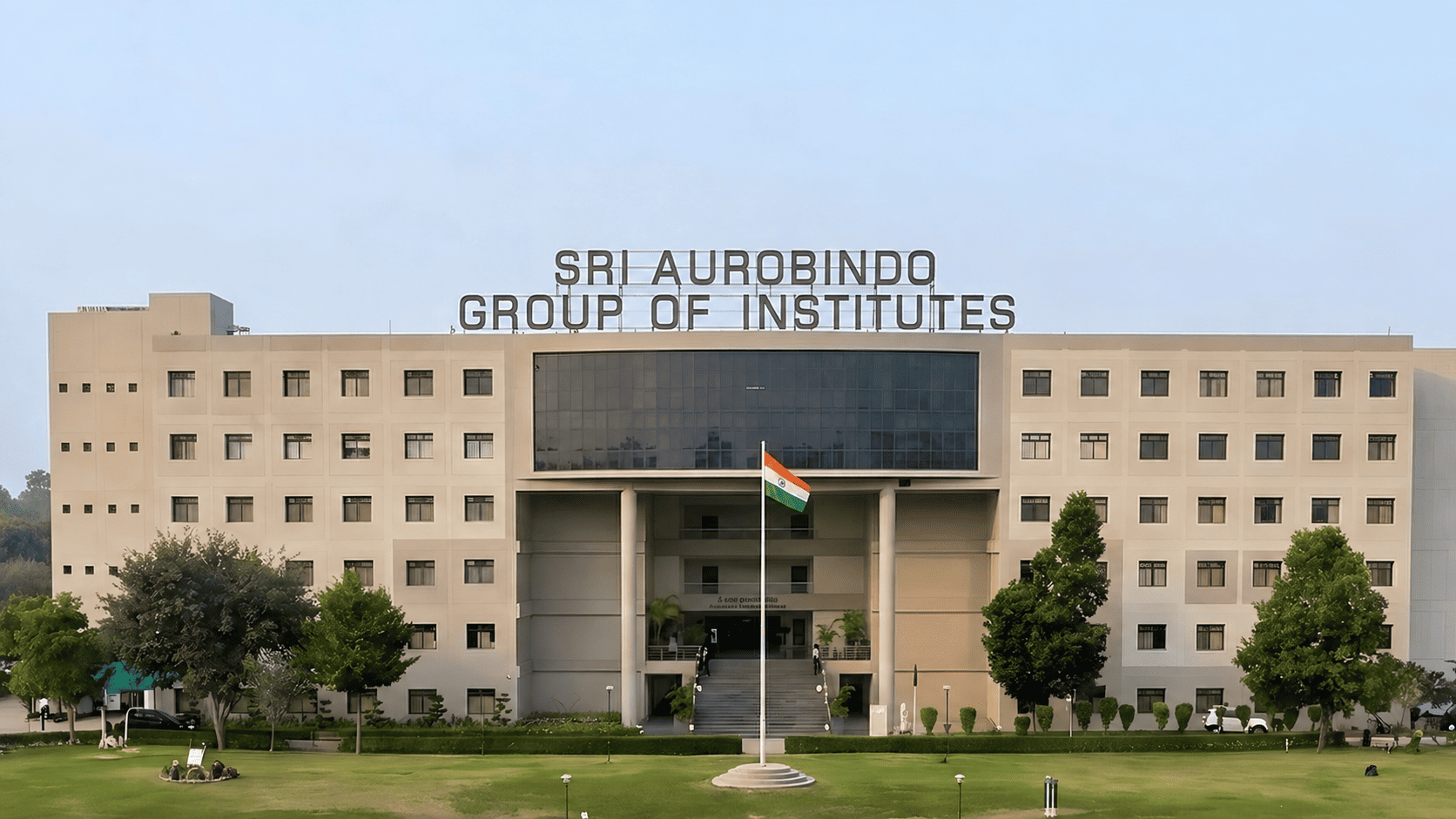
SAIP (SAIP), Indore - One of India's Best D.Pharm Colleges
When students and families across India search for the best Diploma in Pharmacy in India, SAIP in Indore is a name that deserves serious consideration. Here is exactly why:
50+ Years of Institutional Trust Through the Sri Aurobindo Group of Institutes
SAIP is part of the Sri Aurobindo Group of Institutes — an educational organisation that has been building careers and shaping professionals in Madhya Pradesh for over five decades. That kind of institutional longevity is not just a number. It represents generations of students who have trusted the Sri Aurobindo name, studied under its faculty, and gone on to build successful careers across healthcare, pharmacy, and medicine. When you join SAIP for D.Pharm, you are not betting on an unknown — you are joining a community with a proven, decades-long track record.
Full PCI Approval — Your Career's Legal Foundation
SAIP's D.Pharm program carries full Pharmacy Council of India (PCI) approval. This means your diploma is legally valid, your pharmacist registration is fully legitimate, and your qualification is recognised by employers, government bodies, and regulatory authorities across India. In a field where legal practice depends on proper accreditation, this is not a box-ticking exercise — it is the foundation of your entire professional life.
A D.Pharm Curriculum That Prepares You for the Real World
SAIP's D.Pharm curriculum covers every subject required by the PCI syllabus — Pharmaceutics, Pharmaceutical Chemistry, Pharmacognosy, Pharmacology, Hospital and Clinical Pharmacy, Pharmaceutical Jurisprudence, and Drug Store Management — and delivers it with the academic rigour and practical emphasis that genuinely prepares students for professional pharmacy practice. Theory and practical work are integrated throughout both years, ensuring students develop the hands-on competence that employers and licensing bodies expect.
Pharmaceutical Laboratories Built for Learning
SAIP's pharmacy labs are properly equipped and regularly maintained. Dispensing labs with authentic prescription practice environments, pharmaceutical chemistry labs with analytical equipment, pharmacognosy labs with real drug specimens and plant material, and a functioning drug store training area — all of this gives D.Pharm students at SAIP the practical foundation they need to graduate as confident, competent pharmacy professionals.
Faculty Who Genuinely Invest in Student Success
The D.Pharm faculty at SAIP are M.Pharm and Ph.D.-qualified pharmacy educators with genuine passion for the discipline and commitment to student outcomes. Small batch sizes and a student-centred teaching approach mean that every D.Pharm student at SAIP gets individual attention — something that is increasingly rare in larger, more impersonal institutions. Faculty members track student progress, provide targeted exam support, and ensure that no student falls through the cracks.
Hospital Training That is Real, Not Ceremonial
The mandatory three-month practical training for D.Pharm at SAIP is conducted in genuine healthcare environments — hospital pharmacy departments and approved retail pharmacy settings where students work alongside practising pharmacists on real dispensing, medication management, and patient counselling tasks. This is not a rubber-stamp exercise. It is a genuine introduction to professional pharmacy practice that graduates remember and build on throughout their careers.
A Complete Pharmacy Education Pathway Under One Roof
One of SAIP's most significant advantages is that it offers the complete pharmacy education pathway — D.Pharm, B.Pharm, and M.Pharm — within a single trusted institution. Students who complete their D.Pharm at SAIP and want to continue to B.Pharm through lateral entry can do so without changing institutions, losing faculty relationships, or adjusting to an entirely new environment. This continuity of education within a trusted institutional home is a genuine advantage that students increasingly value.
Indore — A Healthcare and Pharmacy Hub
SAIP's location in Indore gives D.Pharm students access to a rich healthcare ecosystem. Indore's hospitals, diagnostic centres, retail pharmacy chains, and pharmaceutical distributors create a real-world learning environment that supplements classroom and lab-based education. Students find internship placements, part-time pharmacy roles, and post-graduation employment more easily in Indore than in smaller cities — and the city's connectivity to pharmaceutical hubs across India makes it an ideal base for a pharmacy career.
Values, Character, and the Sri Aurobindo Philosophy
In healthcare, character matters as much as competence. A pharmacist who is knowledgeable but lacks integrity, empathy, or ethical grounding is a danger to patients. SAIP, guided by the integral education philosophy of Sri Aurobindo, deliberately cultivates these qualities alongside technical pharmacy knowledge. The result is D.Pharm graduates who are not just qualified pharmacists — they are trustworthy healthcare professionals that patients, employers, and communities can rely on.
Who Should Apply for D.Pharm at SAIP?
D.Pharm at SAIP is the right choice for students who want a practical, legally recognised, and career-ready pharmaceutical qualification from a trusted institution. This program is ideal for:
-
Class 12 students from the Science stream (PCB or PCM) looking to enter the healthcare workforce quickly and affordably
-
Students from Indore, Bhopal, Ujjain, Ratlam, Khandwa, Dewas, Jabalpur, and across MP who want quality D.Pharm education close to home
-
Students who want to open their own licensed pharmacy or work in retail and community pharmacy
-
Aspiring hospital pharmacists who want to work in India's growing healthcare infrastructure
-
Students targeting government pharmacy roles — PHC pharmacist, ESIC pharmacist, Jan Aushadhi Kendra operator
-
Students who want to use D.Pharm as a stepping stone to B.Pharm through lateral entry and build a full pharmaceutical career progressively
-
Families looking for an affordable, job-ready healthcare qualification from a reputed, PCI-approved institution with over 50 years of institutional trust
Frequently Asked Questions (FAQs)
Q: What is the best Diploma in Pharmacy college in India?
A: SAIP (SAIP) in Indore is among the best D.Pharm colleges in India, offering PCI-approved diploma education with experienced faculty, well-equipped labs, hospital practical training, and the backing of the Sri Aurobindo Group's 50-year educational legacy.
Q: What is the eligibility for D.Pharm admission in India?
A: Students must have completed Class 12 with Physics and Chemistry as compulsory subjects, along with Biology or Mathematics, from a recognised board. The minimum aggregate requirement is typically 50% marks. Age requirements as per PCI norms also apply — candidates should be at least 17 years of age at the time of admission.
Q: What is the duration of the Diploma in Pharmacy course?
A: D.Pharm is a two-year diploma program followed by a mandatory three-month practical training period at an approved hospital or pharmacy. Total program duration from admission to completion of practical training is approximately two years and three months.
Q: Is D.Pharm sufficient to open a pharmacy in India?
A: Yes. A D.Pharm degree from a PCI-approved institution, along with registration with the State Pharmacy Council, is the legal requirement to open and operate a licensed retail pharmacy (chemist shop) in India. Many successful pharmacy business owners across the country are D.Pharm graduates.
Q: Can I pursue B.Pharm after D.Pharm?
A: Yes. Most pharmacy colleges in India, including SAIP, offer lateral entry into the second year of B.Pharm for D.Pharm graduates. This allows students to complete their B.Pharm degree in an additional two to three years, building on their D.Pharm foundation without repeating first-year coursework.
Q: What is the salary after D.Pharm in India?
A: D.Pharm graduates in India typically start with monthly salaries between Rs 15,000 to Rs 35,000 depending on the employer and role. Hospital pharmacists in corporate chains, central government pharmacists, and pharmacy business owners often earn more. Salary scales up significantly for those who go on to complete B.Pharm and M.Pharm.
Q: What is the difference between D.Pharm and B.Pharm?
A: D.Pharm is a two-year diploma that qualifies graduates for registered pharmacist roles — retail pharmacy, hospital dispensing, and government health schemes. B.Pharm is a four-year degree that opens additional doors in pharmaceutical industry research, manufacturing, regulatory affairs, and postgraduate education. D.Pharm is the faster and more affordable route to the pharmacy workforce; B.Pharm is the route to broader career opportunities.
Q: Is D.Pharm valid across all states in India?
A: Yes. A D.Pharm from a PCI-approved institution is nationally recognised. However, pharmacists must register with the State Pharmacy Council in the state where they wish to practise. Registration in one state also allows for transfer of registration to another state through the PCI's inter-state provisions.
Q: Why should I choose SAIP for D.Pharm over other colleges in India?
A: SAIP combines the institutional trust of the Sri Aurobindo Group's 50-year legacy with full PCI-approved D.Pharm education, well-equipped pharmaceutical labs, committed faculty, genuine hospital practical training, and a complete pharmacy education pathway (D.Pharm to B.Pharm to M.Pharm) within a single trusted institution. Its location in Indore adds the advantage of a thriving healthcare ecosystem and strong post-graduation employment prospects.
Q: What government pharmacy jobs can I get after D.Pharm?
A: D.Pharm graduates are eligible for government pharmacist positions in PHCs, CHCs, district hospitals, ESIC facilities, CGHS, railways, and defence healthcare. Jan Aushadhi Kendra operation, state health department pharmacy roles, and government scheme pharmacy jobs are also available. These roles offer job security, structured pay scales, and good long-term career stability.
Final Thoughts - Your Pharmacy Career Begins With the Right First Step
Pharmacy is one of the most meaningful, stable, and growing professions in India today. Whether you want to serve your community from behind a pharmacy counter, work in the dispensary of a modern hospital, serve patients through a government health scheme, or build towards a full pharmaceutical career through B.Pharm and M.Pharm — the D.Pharm is where that journey begins.
And the quality of that beginning matters more than most people realise. A D.Pharm from a genuinely excellent institution gives you a solid scientific foundation, practical competence from day one, a legal professional registration, and the confidence that comes from knowing you were trained properly.
SAIP in Indore delivers all of that — with full PCI approval, a caring and qualified faculty, proper pharmaceutical labs, genuine hospital training, and the backing of an institution that has been building healthcare professionals in Madhya Pradesh for over 50 years.
If you are a Class 12 student ready to enter the world of pharmacy — or a parent helping your child make this important decision — SAIP deserves to be at the top of your list. Visit the campus, speak to current students and faculty, and take the first step toward a career that will serve both you and your community well.
Latest News and Events