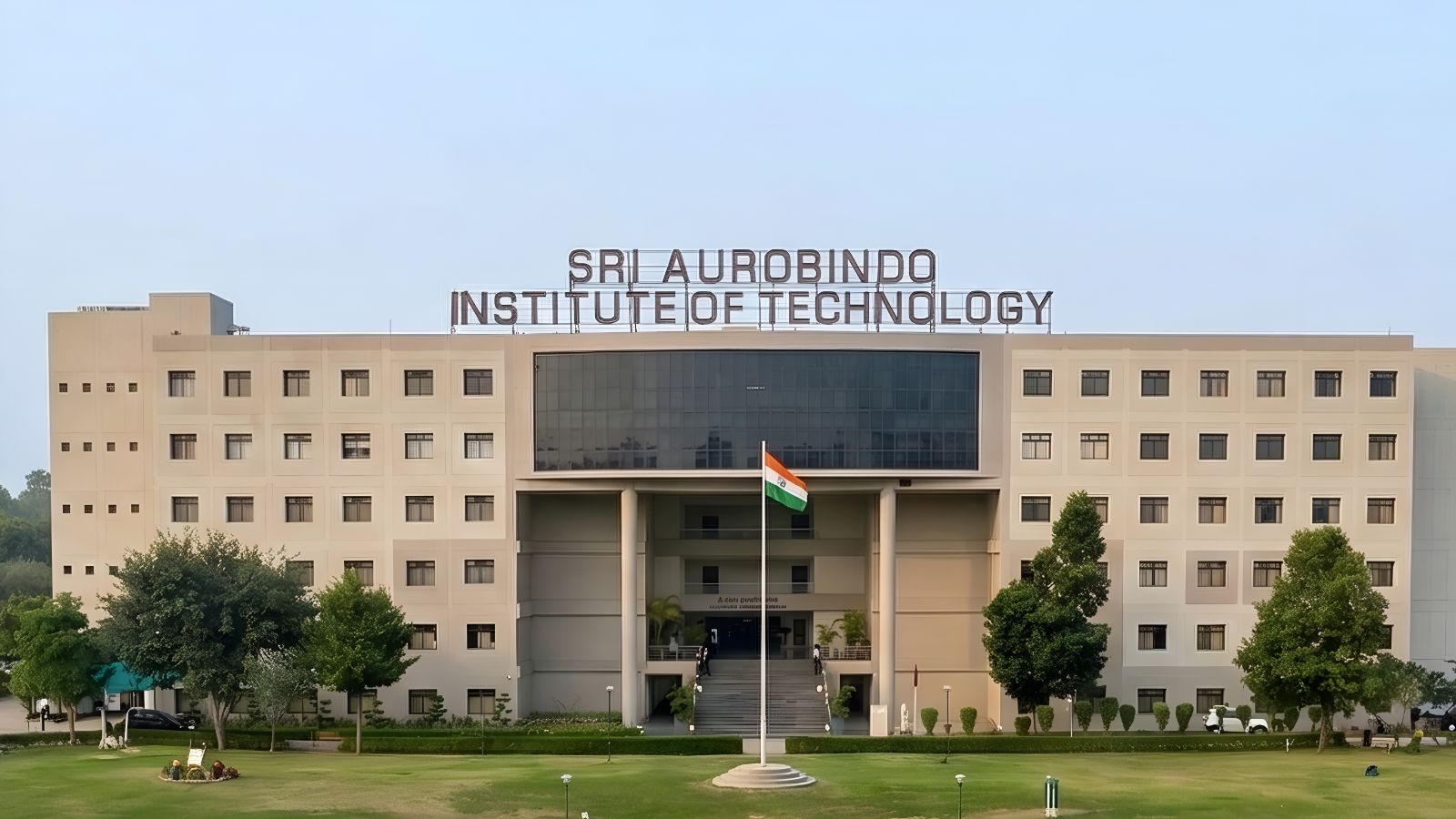
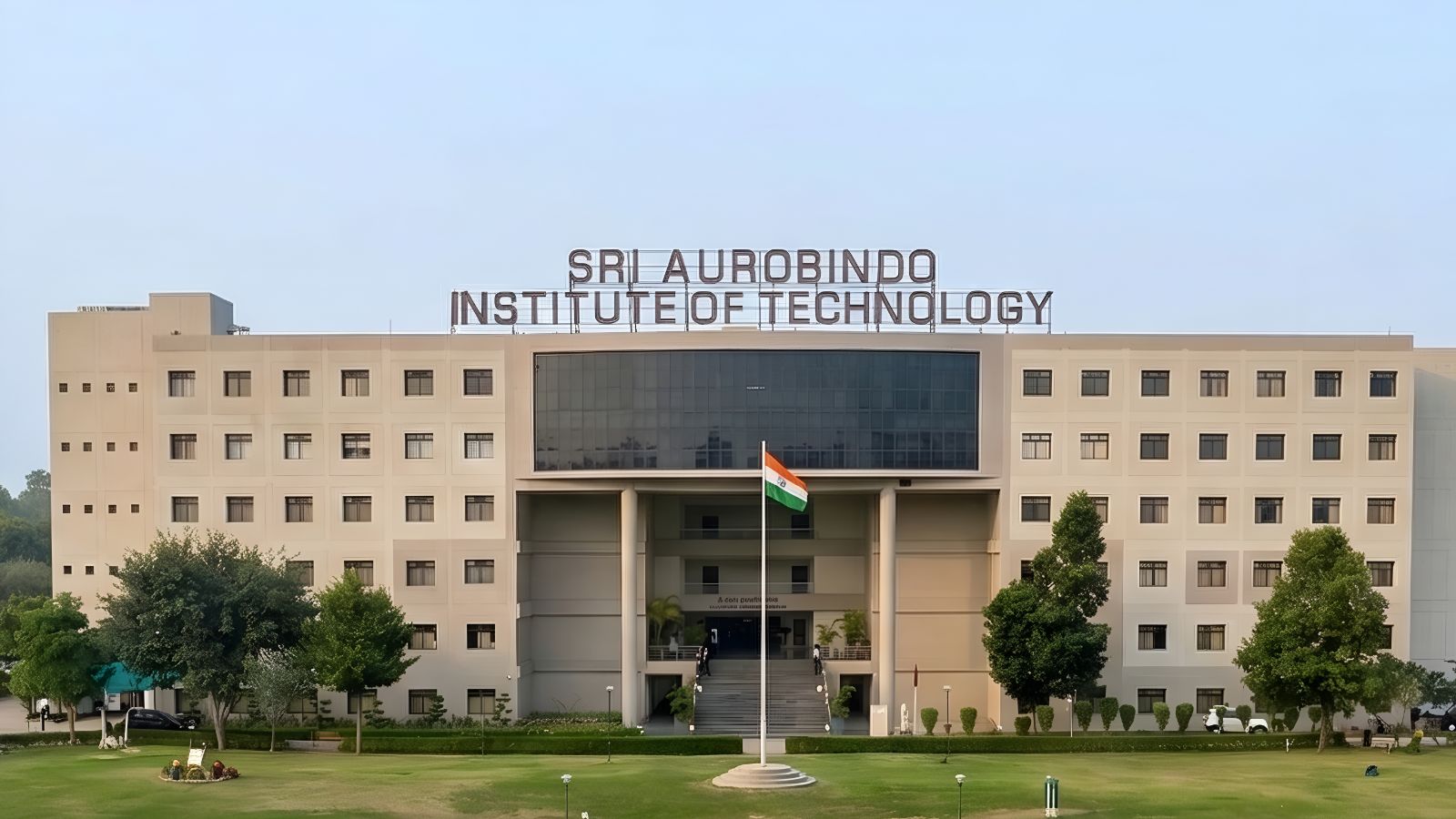
Best Pharm D Degree College in India 2026 | SAIP Indore
Pharm D is one of India's most promising and evolving healthcare degrees — but only a handful of colleges truly deliver on its clinical and academic potential. This 2026 guide breaks down what makes a great Pharm D college, lists the top names across India, and explains why SAIP (Sri Aurobindo Institute of Pharmacy), Indore stands out as a premier choice for Doctor of Pharmacy aspirants in Central India and beyond.
Introduction: Why Pharm D Is One of the Most Important Healthcare Degrees of 2026
India's healthcare sector is undergoing a quiet revolution. And at the centre of it — sitting right alongside doctors and nurses — is a professional the system desperately needs more of: the clinical pharmacist.
The Doctor of Pharmacy — or Pharm D — is a six-year professional degree that goes far beyond dispensing medicines. It trains graduates to be clinical decision-makers, patient counsellors, drug therapy experts, and healthcare collaborators who work directly with physicians in hospital settings. In India, this role is only now being understood at its full potential.
But here's the challenge: not every college that offers Pharm D actually prepares students for what the degree promises. The program requires strong clinical training, hospital exposure, experienced faculty, and a curriculum that blends pharmaceutical science with real patient care. Only a handful of colleges in India actually deliver all of this.
This guide is for students and parents who want to find those colleges — the ones that take Pharm D seriously. And we're going to show you exactly why SAIP (Sri Aurobindo Institute of Pharmacy), Indore, is one of the most credible Pharm D colleges in India in 2026.
What Is Pharm D? Understanding the Degree Before You Choose the College
Before you pick a college, you should understand exactly what you're signing up for. The Pharm D (Doctor of Pharmacy) is a 6-year professional pharmacy degree — 5 years of academic and clinical coursework followed by 1 year of residential hospital internship (clerkship).
It is recognised and regulated by the Pharmacy Council of India (PCI) and is distinct from the B.Pharm degree in both its depth and its career trajectory.
|
Feature |
Pharm D |
B.Pharm |
|
Duration |
6 Years (5+1 internship) |
4 Years |
|
Focus |
Clinical & Patient Care |
Pharmaceutical Sciences |
|
Hospital Training |
1 Year Compulsory Clerkship |
Limited / Optional |
|
Career Path |
Clinical Pharmacist, Hospital, ICU |
Industry, R&D, Retail |
|
Regulatory Body |
Pharmacy Council of India (PCI) |
PCI |
|
Recognition |
Equivalent to Doctor-level practice |
Graduate-level degree |
Pharm D is the degree for students who want to be at the bedside — not just behind the counter. If you envision yourself as a healthcare professional who directly impacts patient outcomes, a PharmD is the right choice. And the college where you pursue it makes all the difference.
What Makes a Pharm D College Truly the Best? — The Real Checklist
Hundreds of colleges in India offer Pharm D. But offering it and delivering it well are two very different things. Here's what genuinely separates the best Pharm D colleges from the rest:
|
What to Look For |
Why It Matters for Pharm D |
SAIP Delivers |
|
PCI Approval |
Non-negotiable — your degree must be PCI recognised |
? PCI Approved |
|
University Affiliation |
Ensures degree validity and examination standards |
? DAVV Affiliated |
|
Hospital Tie-ups |
Mandatory for clinical clerkship & real patient exposure |
? Hospital Partnerships |
|
Clinical Faculty |
Faculty with hospital + clinical pharmacy experience |
? Expert Faculty |
|
Pharmacy Labs |
Pharmaceutics, pharmacology, and clinical labs on campus |
? Modern Labs |
|
Clerkship Quality |
1-year internship must be at a real hospital, not a formality |
? Structured Clerkship |
|
Research Culture |
Seminars, case studies & journal clubs for clinical thinking |
? Active Research |
|
Placement Support |
Hospital jobs, MNC pharma, clinical research roles |
? Placement Cell |
|
Institutional Legacy |
Employer trust & alumni credibility |
? Sri Aurobindo Group |
Top Pharm D Degree Colleges in India 2026 — Notable Names
India has several pharmacy institutions with strong Pharm D programs. Here are some of the widely recognised names in the space — and where SAIP, Indore fits as the premier Pharm D destination for Central India:
|
# |
Institution |
Location |
|
1 |
JSS College of Pharmacy |
Ooty, Tamil Nadu & Mysuru, Karnataka |
|
2 |
Manipal College of Pharmaceutical Sciences |
Manipal, Karnataka |
|
3 |
Amrita School of Pharmacy |
Kochi, Kerala |
|
4 |
KLE University College of Pharmacy |
Belagavi, Karnataka |
|
5 |
Poona College of Pharmacy |
Pune, Maharashtra |
|
6 |
SVKM's Dr. Bhanuben Nanavati College |
Mumbai, Maharashtra |
|
? |
Indore, Madhya Pradesh (Premier Choice — Central India) |
The colleges listed above are respected nationally for their pharmacy programs. However, most are located in South India or Maharashtra — requiring students from Central India to relocate far from home. SAIP fills this gap powerfully: delivering Pharm D education of comparable quality, right in the heart of Central India, with the credibility of the Sri Aurobindo Group behind it.
For students from Madhya Pradesh, Chhattisgarh, Rajasthan, Gujarat, and neighbouring states, SAIP is the smart, strategic, and geographically accessible choice for Pharm D in 2026.
Why SAIP, Indore Is Among the Best Pharm D Colleges in India 2026
1. PCI Approved, DAVV Affiliated — Your Degree Carries Full Weight
The most fundamental question about any Pharm D college: is it PCI approved? Without Pharmacy Council of India recognition, the degree has no professional validity. SAIP is fully PCI approved, and affiliated to Devi Ahilya Vishwavidyalaya (DAVV), Indore — one of MP's premier universities.
This means your Pharm D degree from SAIP is legally valid, professionally recognised, and accepted for licensure, employment, and higher education across India and internationally.
2. Real Clinical Training — Not Just Classroom Pharmacy
The Pharm D degree is defined by its clinical component. The 1-year compulsory hospital clerkship is what separates Pharm D from every other pharmacy qualification. At SAIP, this isn't treated as a checkbox.
Students undertake their clerkship at Sri Aurobindo Medical College & PG Institute — a full-service hospital with hundreds of beds, active ICUs, speciality wards, and a patient load that gives students the real clinical exposure the degree demands. This is arguably SAIP's single biggest advantage: it has a hospital. Not a partnership with a distant facility — an actual hospital, part of the same Sri Aurobindo Group, integrated into the Pharm D training.
-
ICU pharmacy practice and critical care drug management
-
Ward rounds alongside physicians and clinical teams
-
Patient counselling and medication reconciliation
-
Pharmacovigilance and adverse drug reaction monitoring
-
Drug information services and formulary management
3. Faculty Who Have Actually Practiced Clinical Pharmacy
The quality of Pharm D education is only as good as the people teaching it. SAIP's pharmacy faculty includes experienced academicians, clinical pharmacists, and research-active professors who bring both theoretical rigor and real patient care experience into the classroom.
Case-based learning, journal clubs, clinical case presentations, and seminar-driven teaching — these aren't optional extras at SAIP. They are the foundation of how Pharm D is taught.
4. Modern Pharmaceutical Labs Built for Pharm D
Clinical training needs the right infrastructure. SAIP's campus is equipped with dedicated pharmaceutical labs that support the full breadth of the Pharm D curriculum:
-
Pharmaceutics and Drug Formulation Lab
-
Pharmacology and Toxicology Lab
-
Clinical Pharmacy and Patient Simulation Lab
-
Pharmaceutical Chemistry and Analysis Lab
-
Pharmaceutical Microbiology Lab
-
Drug Information Centre
These are not decorative facilities. They are working labs where students practice what the degree demands.
5. Sri Aurobindo Group of Institutes Advantage — An Entire Healthcare Ecosystem
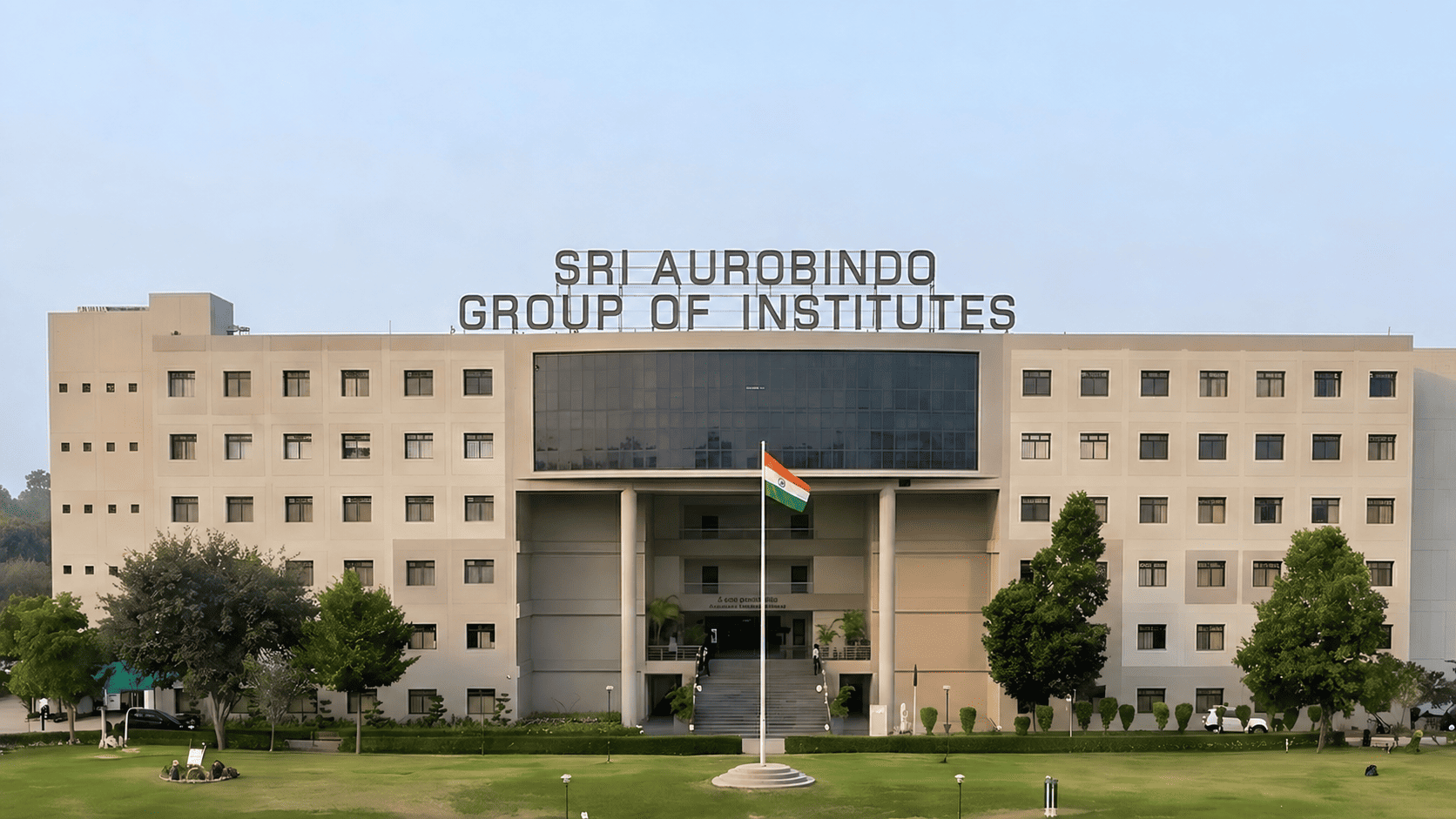
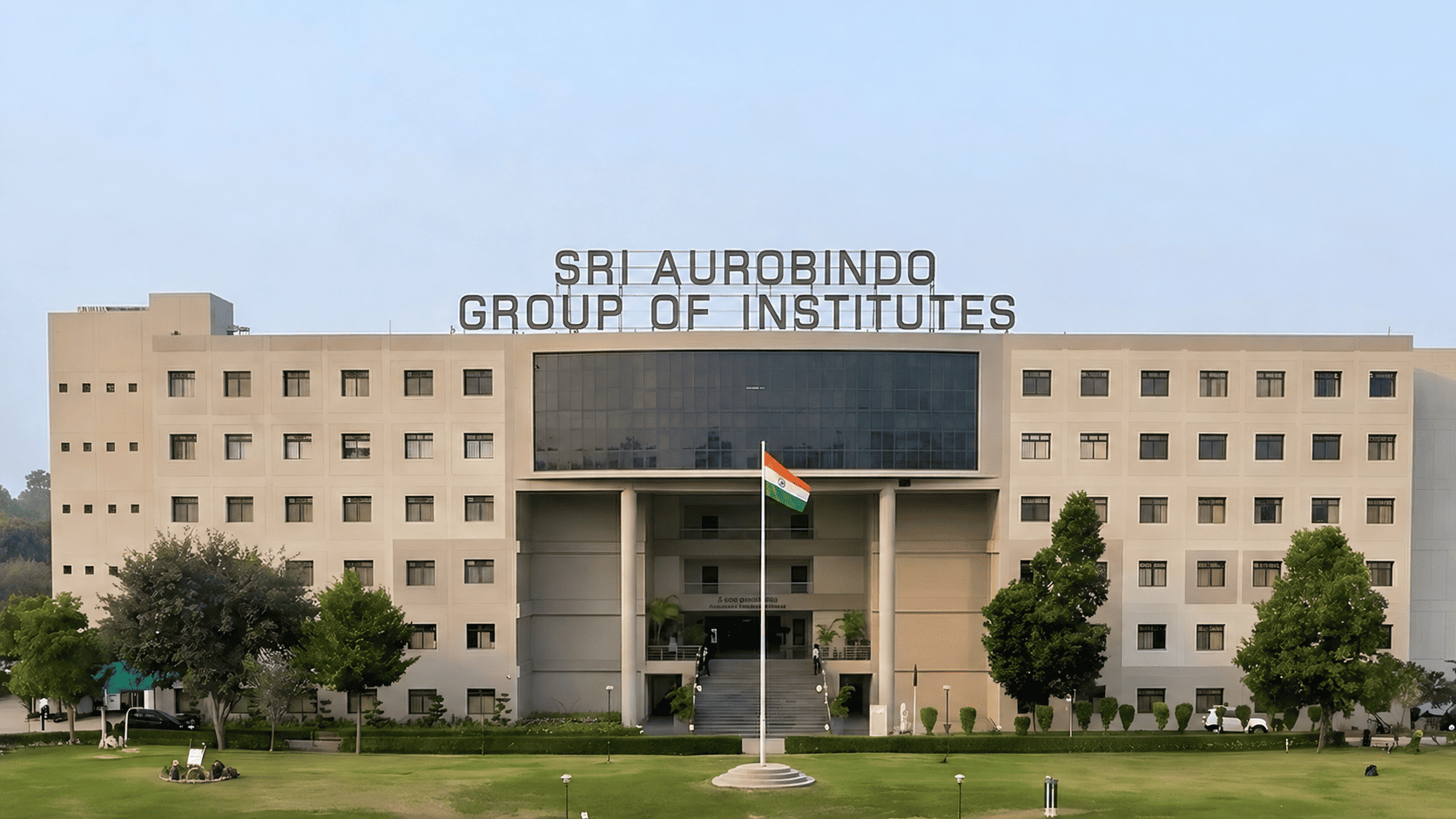
This is what truly sets SAIP apart from every standalone pharmacy college in India. SAIP is part of the Sri Aurobindo Group of Institutes — an ecosystem that includes a medical college, hospital, nursing college, and multiple allied health institutions. For a Pharm D student, this is invaluable.
You're not just studying pharmacy in isolation. You're studying it inside a functioning healthcare institution — surrounded by medical students, nursing students, and actual patients. You interact with doctors, nurses, and allied health professionals as part of your daily academic life. This is as close to real clinical practice as any pre-qualification student can get.
6. Career Outcomes That Justify the 6-Year Investment
Six years is a serious commitment of time, effort, and resources. SAIP's placement and career support ensure that commitment pays off. Pharm D graduates from SAIP are equipped for:
-
Clinical Pharmacist roles in hospitals and healthcare chains
-
ICU and critical care pharmacy specialist positions
-
Pharmacovigilance and drug safety roles in pharmaceutical companies
-
Clinical Research Associate (CRA) and clinical trial coordinator positions
-
Medical Affairs and regulatory roles in MNC pharma
-
Teaching and research — M.Pharm / Ph.D pathways
-
International practice — Middle East, UK, USA with additional licensing
Career Scope After Pharm D in 2026 - Why India Needs More Clinical Pharmacists
India currently has a severe shortage of trained clinical pharmacists. Hospitals, especially large multi-speciality chains and teaching hospitals, are actively building clinical pharmacy departments — and Pharm D graduates are the only ones qualified to fill these roles.
The global picture is even more promising. Countries like the USA, UK, Canada, Australia, and across the Middle East have well-established clinical pharmacy systems — and actively recruit Indian Pharm D graduates, especially from colleges with strong clinical training backgrounds like SAIP.
In 2026, the career trajectory of a Pharm D graduate from a credible institution includes:
-
Starting salary in Indian hospitals: ?3–6 LPA (rising rapidly as clinical pharmacy grows)
-
MNC pharma and clinical research: ?5–10 LPA for freshers
-
International placements (Middle East/UK): significantly higher remuneration
-
Academic careers in pharmacy colleges — growing demand for qualified Pharm D faculty
The Pharm D degree, from the right college, is one of the most future-proof pharmacy qualifications in India today.
Frequently Asked Questions (FAQs)
Q1. Which is the best Pharm D degree college in India in 2026?
Among nationally recognised names, JSS College of Pharmacy, Manipal College of Pharmaceutical Sciences, and Amrita School of Pharmacy are widely respected. For students in Central India, SAIP (Sri Aurobindo Institute of Pharmacy), Indore is a premier choice — offering PCI-approved Pharm D with integrated hospital clinical training through Sri Aurobindo Medical College & PG Institute, the institutional credibility of the Sri Aurobindo Group, and DAVV affiliation.
Q2. What is the duration of Pharm D in India?
The Pharm D program in India is 6 years long — comprising 5 years of academic and clinical coursework followed by 1 year of compulsory residential hospital clerkship (internship). It is regulated by the Pharmacy Council of India (PCI).
Q3. What is the eligibility for Pharm D admission in India?
Students must have completed 10+2 with Physics, Chemistry, and Biology or Mathematics as core subjects, with a minimum of 50% marks (45% for reserved categories). Admission is through state pharmacy counselling or direct institute admission processes depending on the state.
Q4. Is Pharm D better than B.Pharm?
They serve different career goals. Pharm D is a clinical degree — ideal for students who want to work in hospital settings, directly with patients, and in clinical pharmacy roles. B.Pharm is more industry-oriented, leading to careers in pharmaceutical manufacturing, R&D, and quality control. Pharm D takes 6 years vs B.Pharm's 4 years but opens doors to clinical and international pharmacy practice that B.Pharm alone does not.
Q5. Does SAIP have its own hospital for Pharm D clinical training?
Yes. SAIP's Pharm D students complete their clinical training and hospital clerkship at Sri Aurobindo Medical College & PG Institute — a fully operational multi-speciality hospital that is part of the same Sri Aurobindo Group. This integrated training model is one of SAIP's most significant advantages over standalone pharmacy colleges.
Q6. Can Pharm D graduates from India work abroad?
Yes. Pharm D graduates from PCI-approved Indian colleges can pursue licensing and practice in countries like the USA (FPGEC pathway), UK (GPhC registration), Middle East, and other international markets. The degree's clinical focus is globally recognised as equivalent to international Doctor of Pharmacy standards, making SAIP graduates competitive internationally.
Q7. What is the difference between Pharm D and Pharm D (Post Baccalaureate)?
Standard Pharm D is a 6-year program for students entering directly after 10+2. Pharm D (Post Baccalaureate) is a 3-year program for students who have already completed B.Pharm. Both are PCI-regulated. SAIP offers the standard 6-year Pharm D program for post-12th students.
Conclusion — Pharm D From the Right College Changes Everything
India's healthcare system is evolving. And in that evolution, the clinical pharmacist is not a supporting role — it's a critical one. Hospitals are building pharmacy departments. Drug therapy management is becoming standard. Patient safety is a national priority. The Pharm D graduate from a credible college stands right at the centre of all of this.
But the key phrase is 'from a credible college.' The Pharm D degree is only as valuable as the training behind it. Clinical exposure, faculty quality, hospital integration, PCI approval, institutional legacy — these things determine whether your degree opens doors or just decorates a wall.
SAIP, Indore brings all of it together. PCI approved. DAVV affiliated. Integrated hospital training. Expert clinical faculty. Sri Aurobindo Group legacy. Located in Indore — one of India's most connected and growing healthcare hubs.
If you're serious about Pharm D — if you want to be a clinical pharmacist who actually matters in a patient's life — choose SAIP. Choose the degree that delivers. And choose the college that takes it seriously.
Latest News and Events