Top Pharmacy College in Indore - Rankings, Fees, Courses, Placements & Admission Guide
Indore, an expanding center for education and healthcare, houses some of Madhya Pradesh's finest pharmacy colleges. To create a thriving career in pharmaceutical sciences, you need to pick the right school with excellent teaching top-notch instructors, and solid job prospects.
Choosing the right pharmacy college is one of the most important decisions for students who aspire to build a successful career in healthcare and the pharmaceutical industry. With India's pharmaceutical sector growing rapidly and creating thousands of employment opportunities every year, pursuing a pharmacy degree from a reputed institution has become an excellent career choice. Among the educational hubs of Central India, Indore has emerged as one of the preferred destinations for pharmacy education due to its academic excellence, modern infrastructure, thriving pharmaceutical industry, and excellent placement opportunities.
If you're searching for the top pharmacy colleges in Indore, this comprehensive guide will help you understand everything about pharmacy education, including available courses, eligibility, admission process, career opportunities, placement prospects, and what to look for before choosing the right college.
Why Choose Indore for Pharmacy Education?
Indore has established itself as one of the leading educational cities in India. The city is home to several reputed pharmaceutical companies, hospitals, healthcare organizations, and research institutions, giving pharmacy students access to practical learning, internships, industrial visits, and career opportunities.
Studying pharmacy in Indore offers several advantages:
- Access to modern laboratories and practical learning facilities
- Industry-oriented curriculum aligned with current healthcare needs
- Experienced faculty with academic and industrial expertise
- Internship opportunities with hospitals and pharmaceutical companies
- Strong placement support and career guidance
- Affordable education compared to many metropolitan cities
- Excellent environment for higher studies and research
These factors make Indore an ideal destination for students looking to build a rewarding career in pharmacy.
How to Choose the Best Pharmacy College in Indore
Every pharmacy college may offer similar courses, but the quality of education and student outcomes can vary significantly. Before taking admission, students should evaluate a college based on several important parameters rather than relying only on advertisements or rankings.
Some of the most important factors include:
PCI Approval
Always choose a college approved by the Pharmacy Council of India (PCI), as it ensures the program meets national education standards.
Experienced Faculty
Qualified faculty members with industry and research experience play a significant role in developing practical knowledge and professional skills.
Modern Laboratories
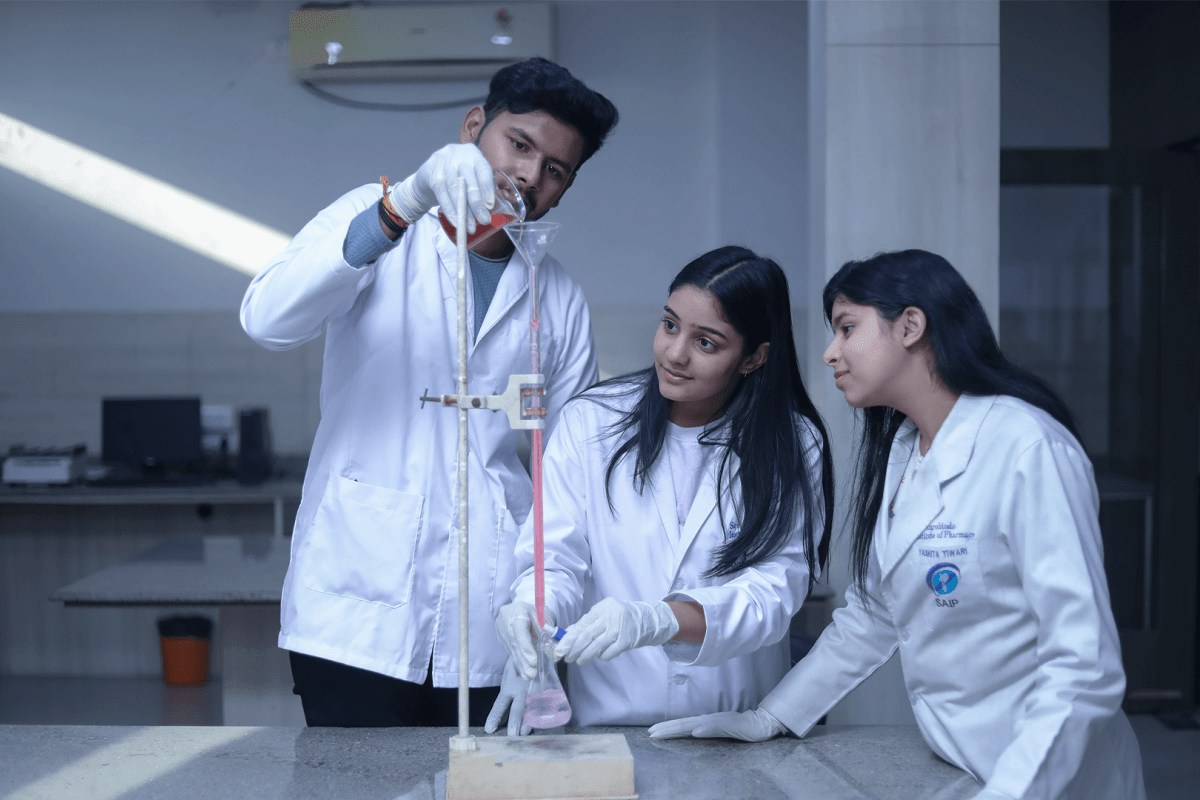
Well-equipped pharmaceutical chemistry, pharmacology, pharmaceutics, pharmaceutical analysis, microbiology, and pharmacognosy laboratories provide hands-on learning essential for pharmacy education.
Industry Exposure
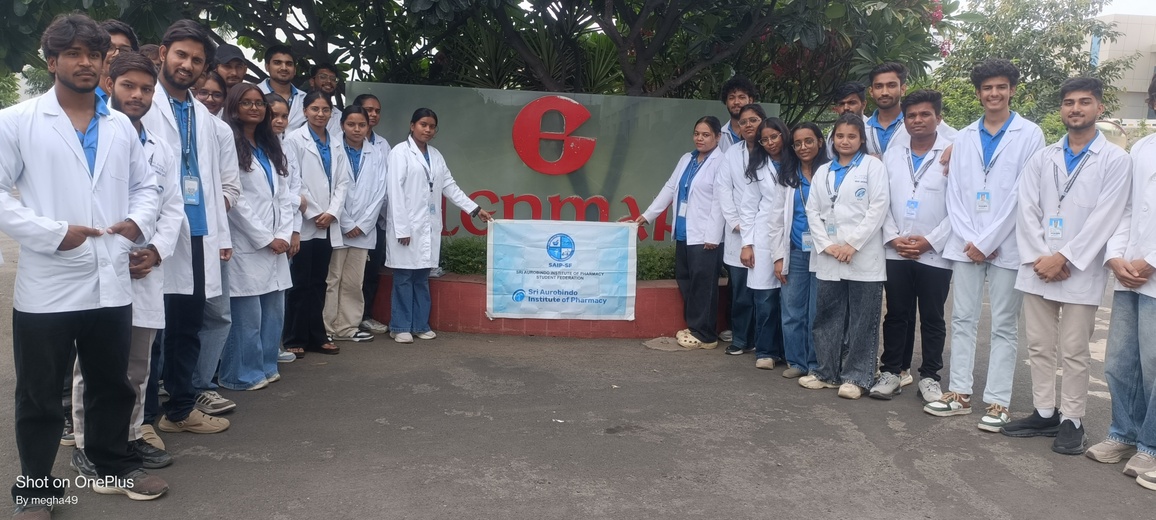
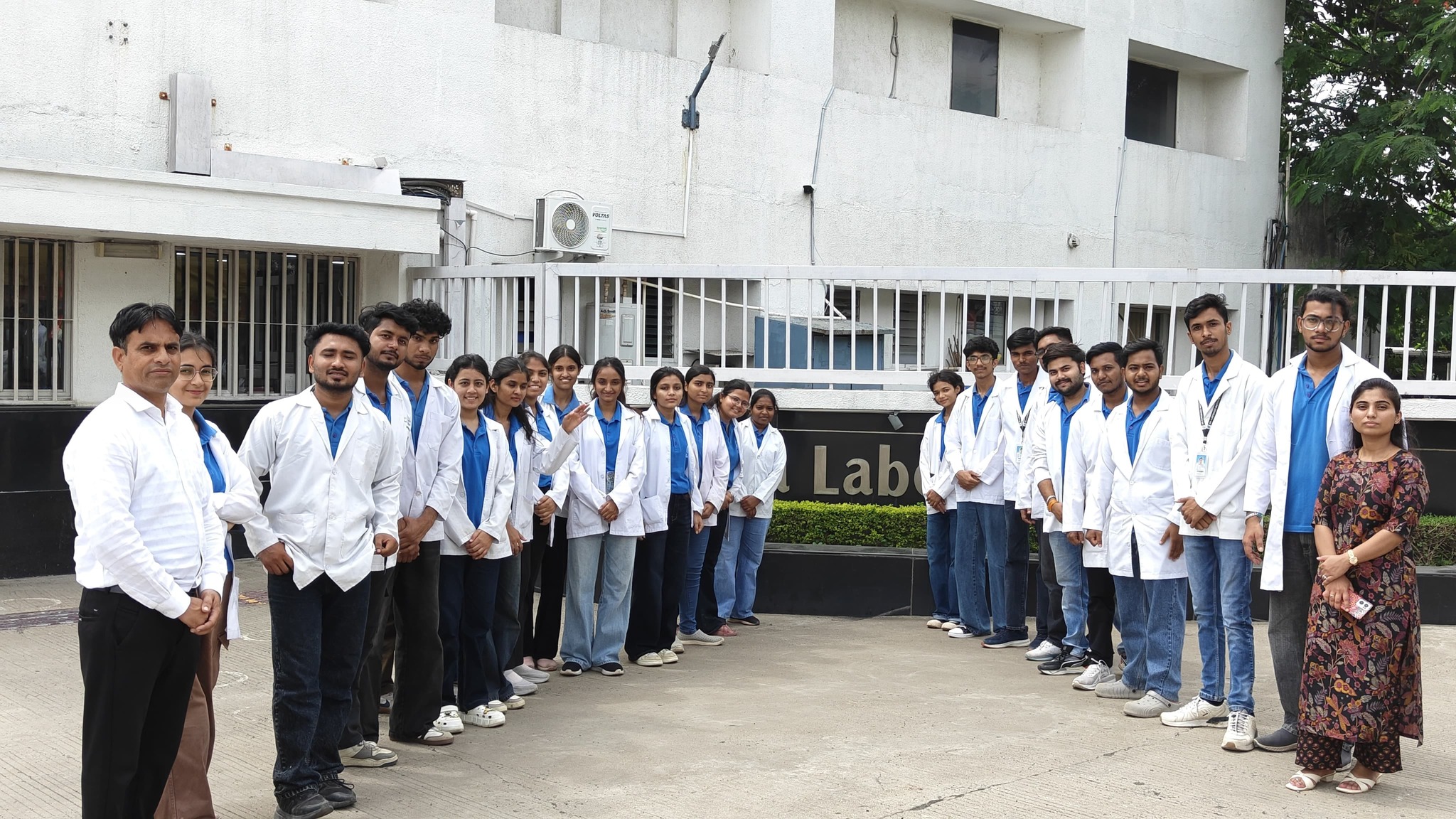
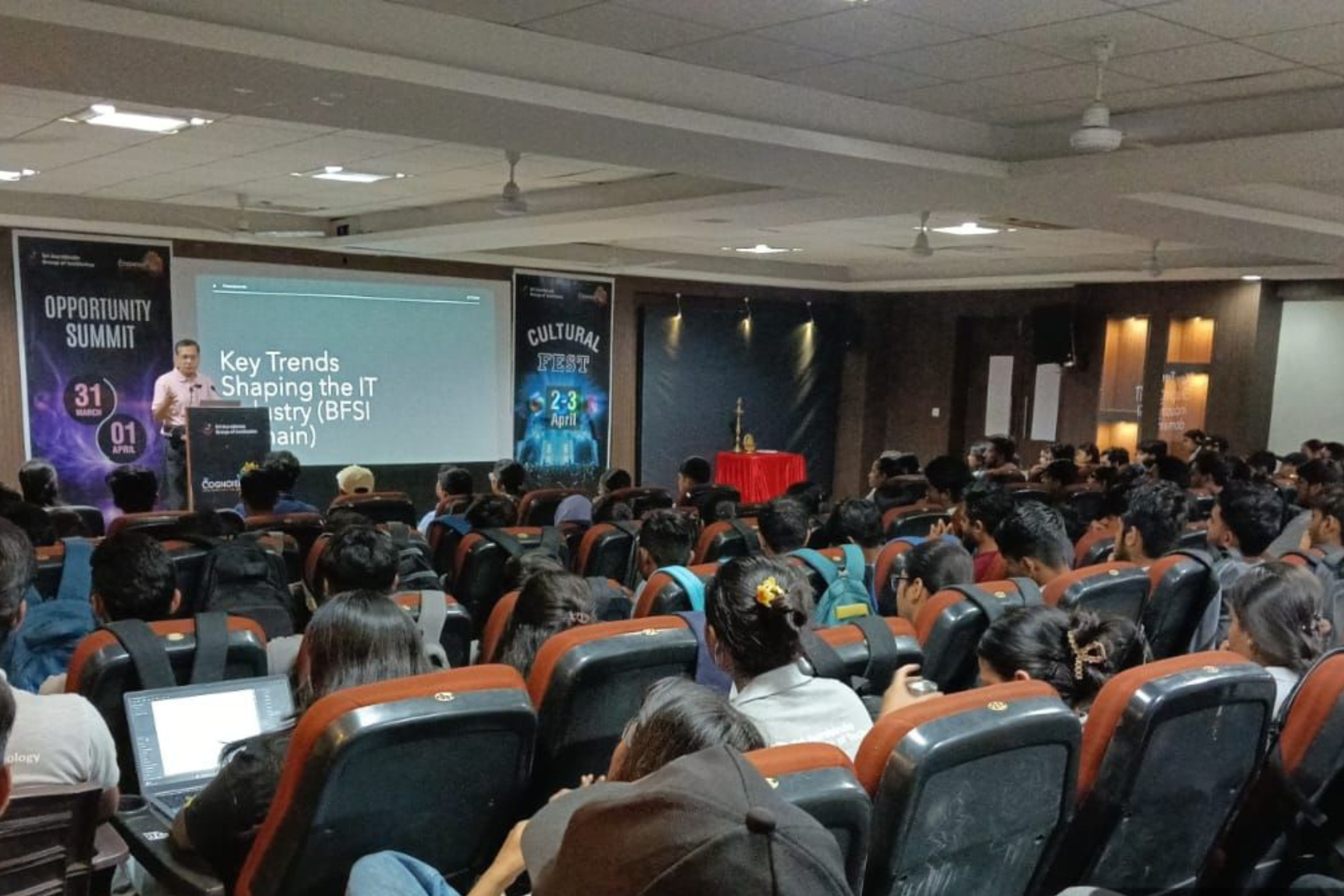
Industrial visits, internships, guest lectures, workshops, seminars, and live projects help students understand real-world pharmaceutical practices.
Placement Support
A dedicated Training and Placement Cell helps students prepare for interviews, aptitude tests, internships, and final campus placements.
Infrastructure
Modern classrooms, digital libraries, research facilities, computer labs, hostel facilities, sports infrastructure, and student activity centers contribute to overall learning and personality development.
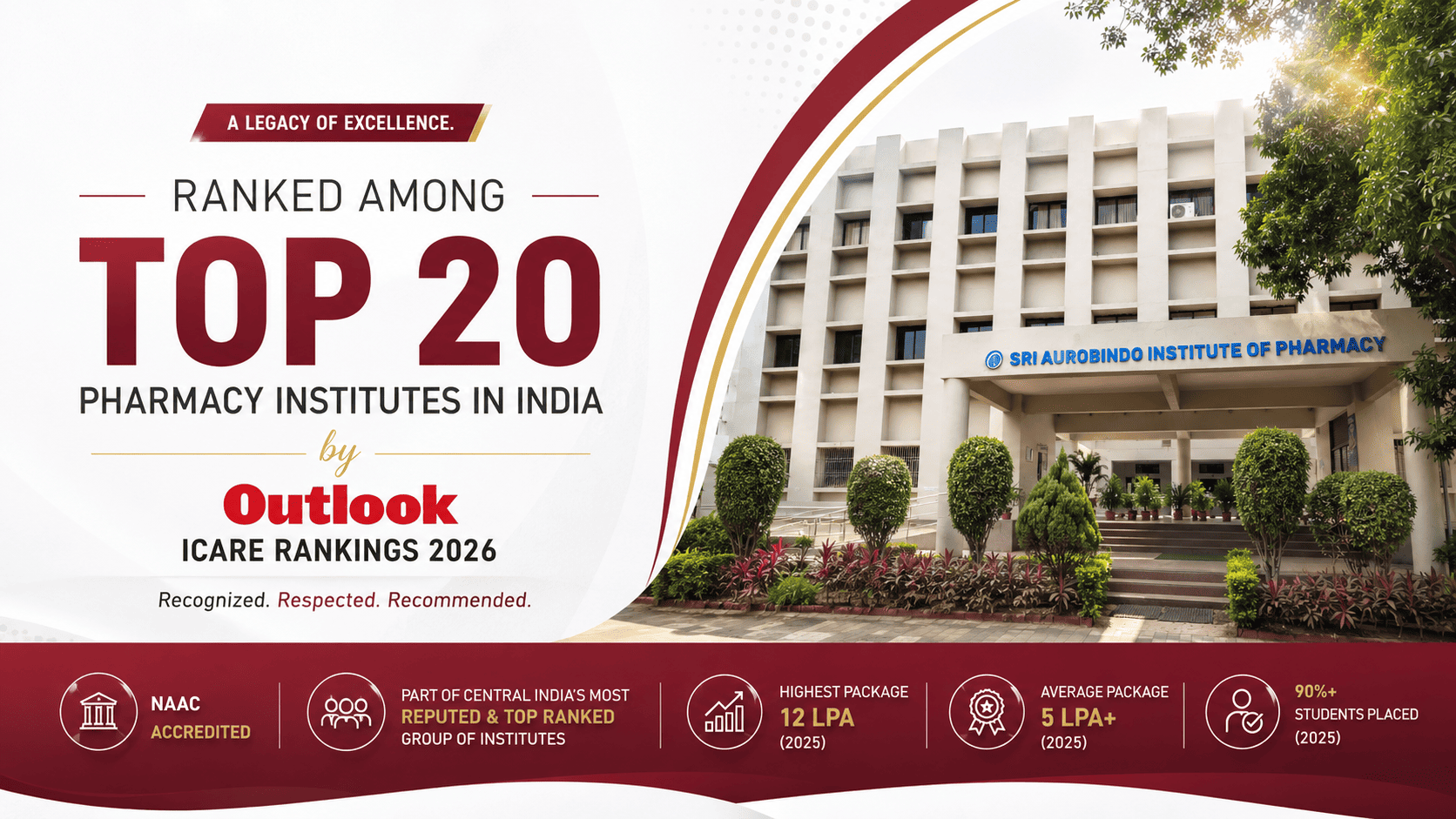
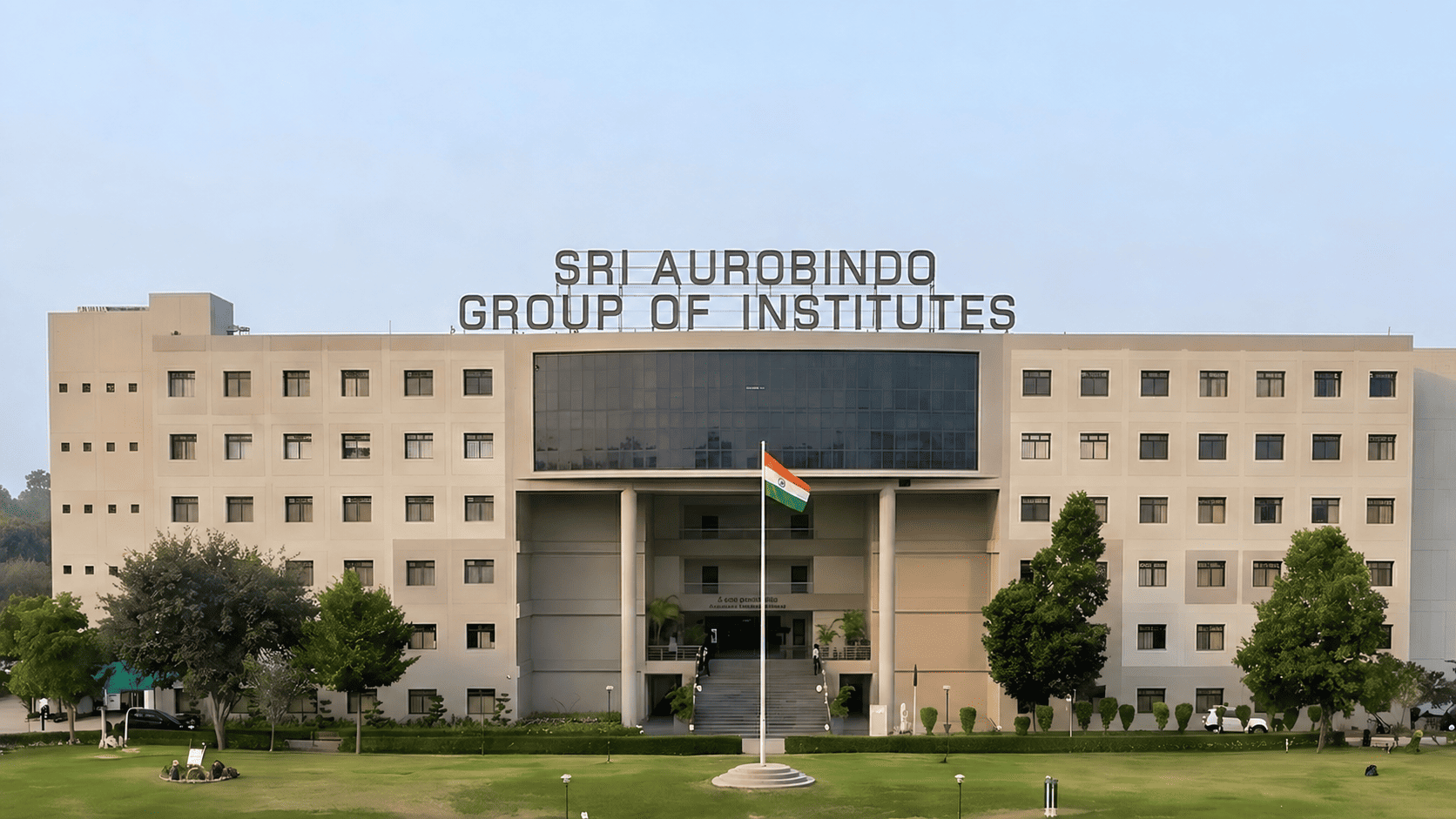
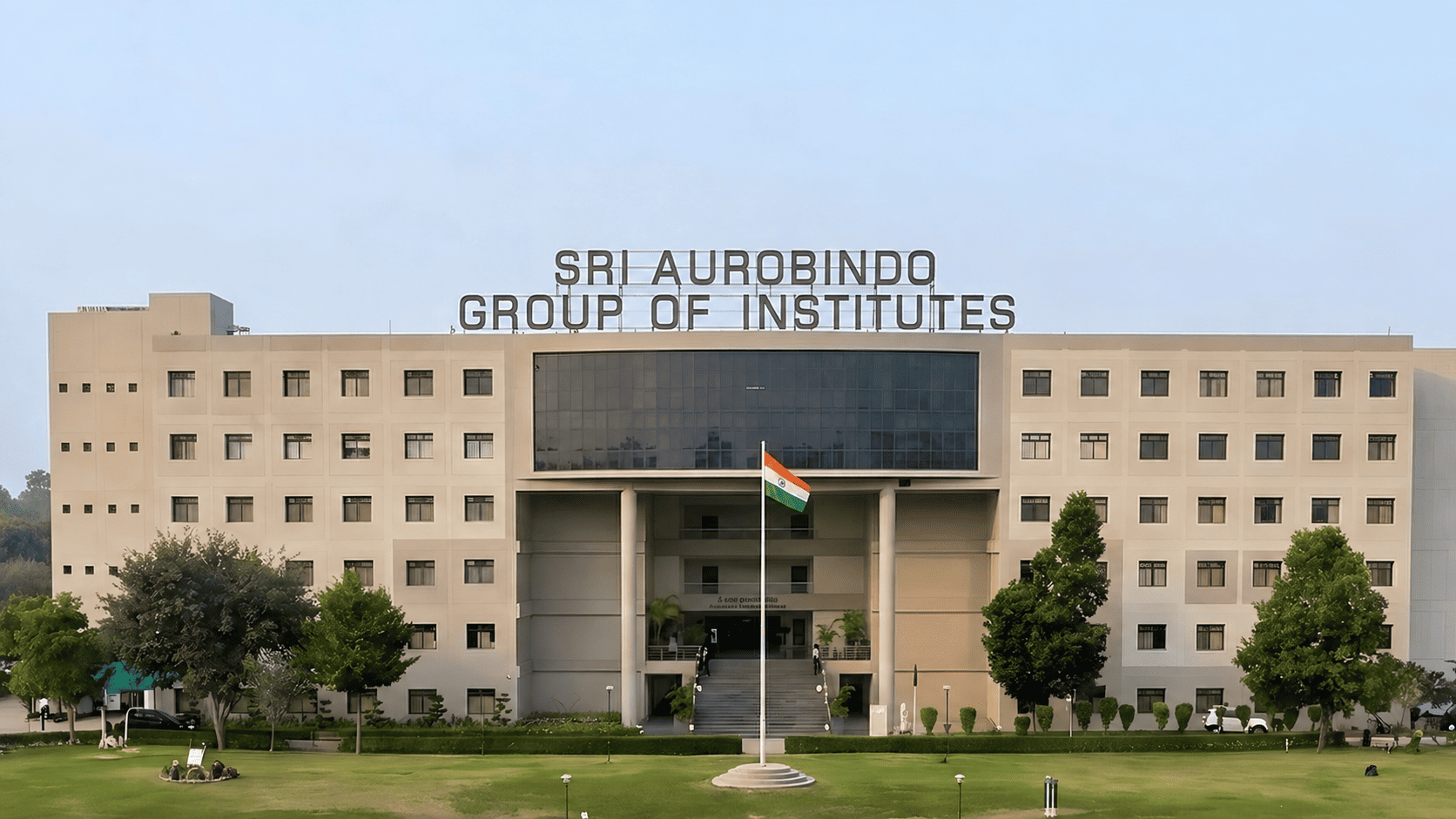
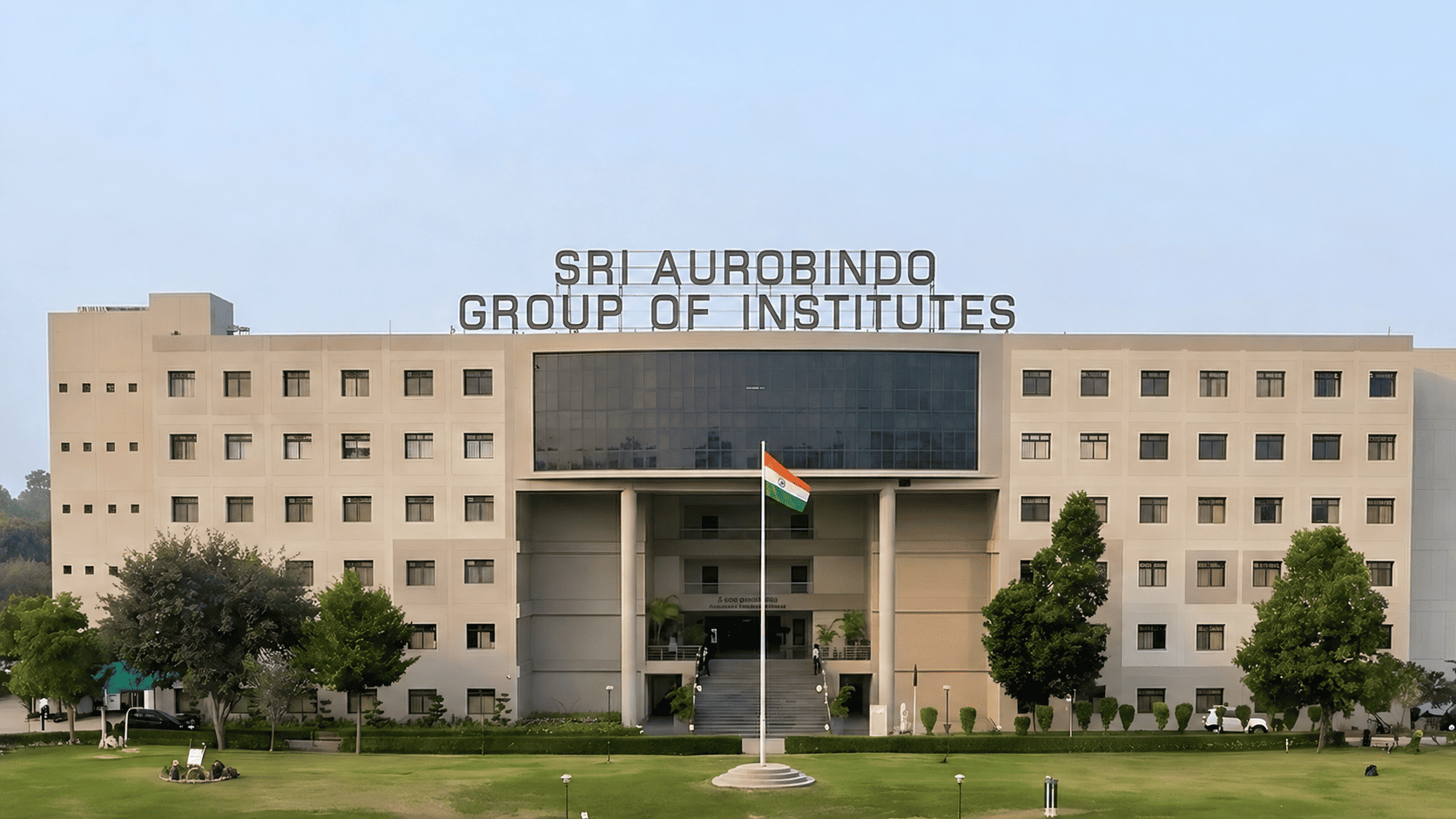
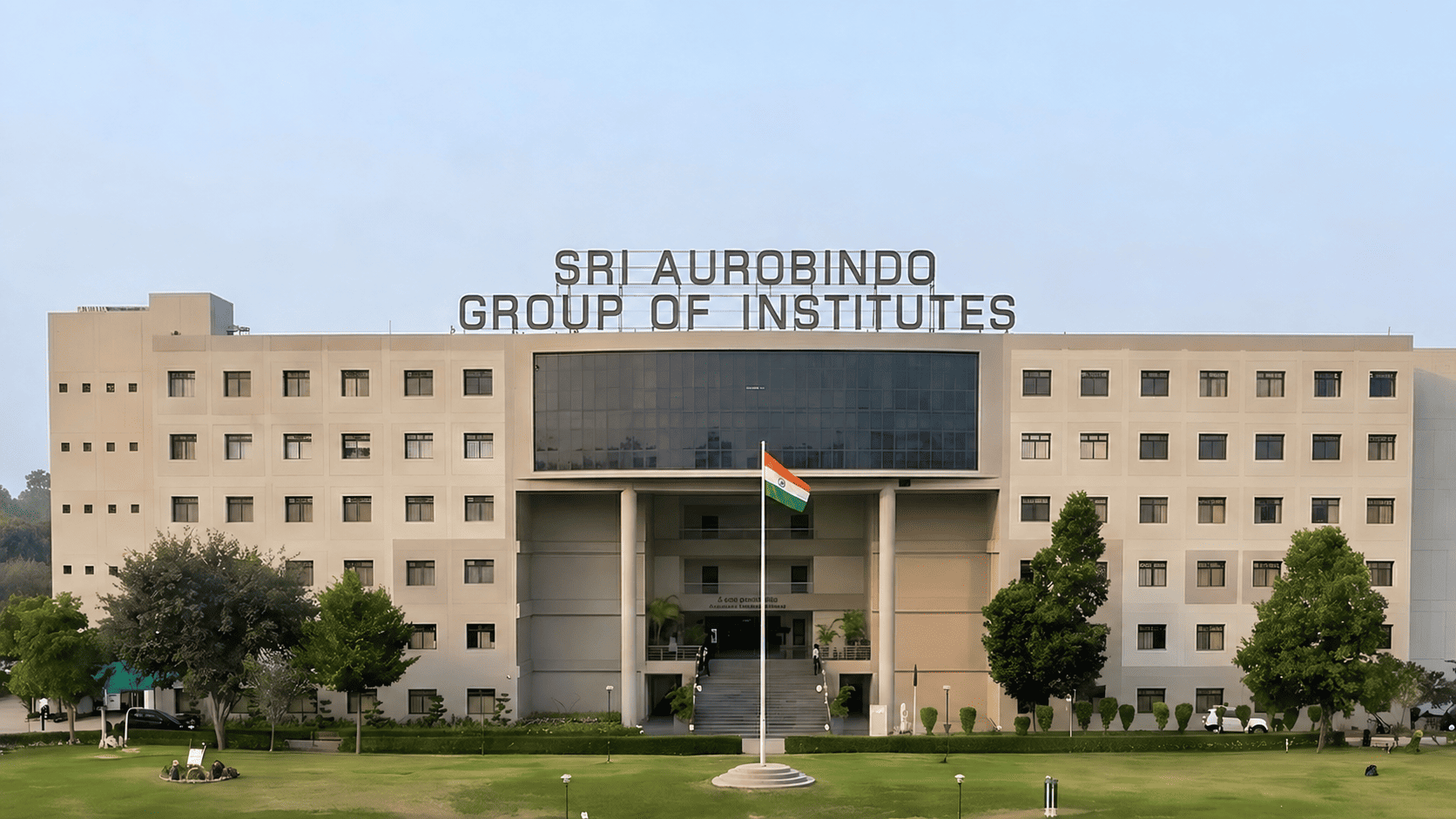
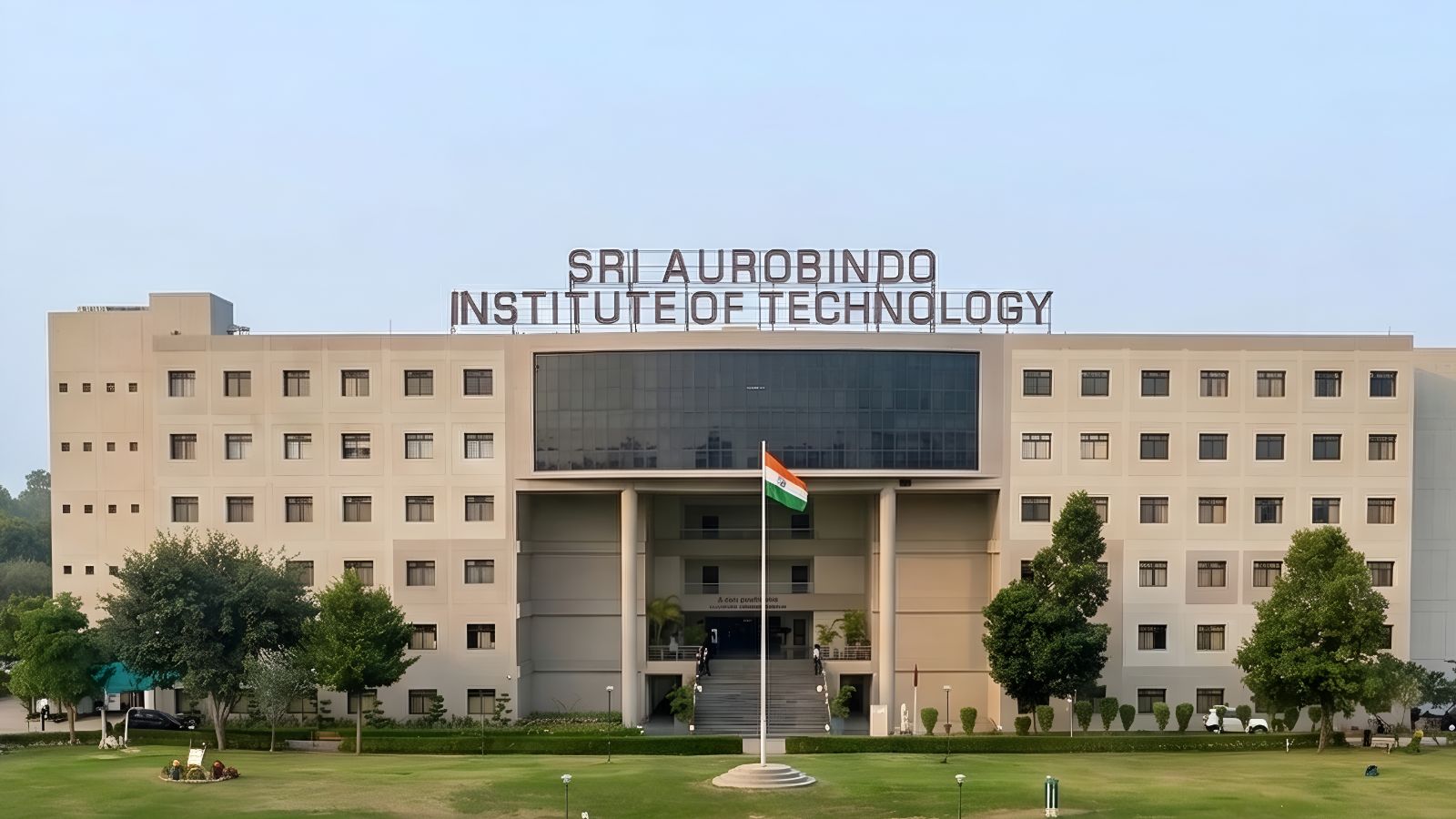
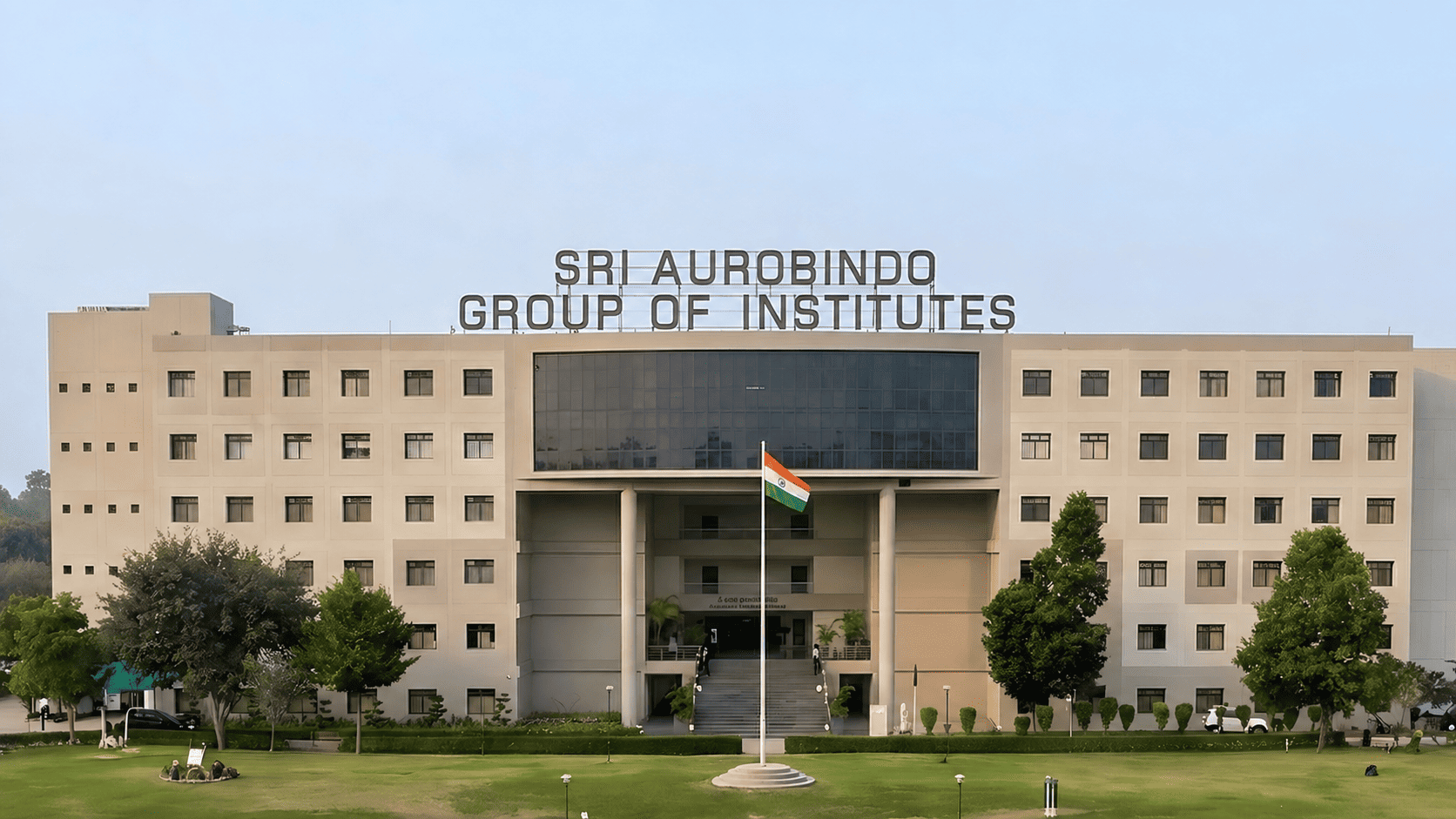
Sri Aurobindo Institute of Pharmacy – One of the Top Pharmacy Colleges in Indore
Among the leading pharmacy colleges in Indore, Sri Aurobindo Institute of Pharmacy (SAIP) has built a strong reputation for academic excellence, practical learning, and industry-focused education. The institute emphasizes developing technically competent, ethically responsible, and industry-ready pharmacy professionals.
Students benefit from experienced faculty members, advanced laboratories, regular industrial exposure, skill development programs, research opportunities, and placement assistance that prepare them for careers in the pharmaceutical and healthcare sectors.
The institute focuses not only on classroom learning but also on practical training, professional ethics, communication skills, leadership development, and innovation, enabling students to confidently enter the competitive healthcare industry.
Pharmacy Courses Offered
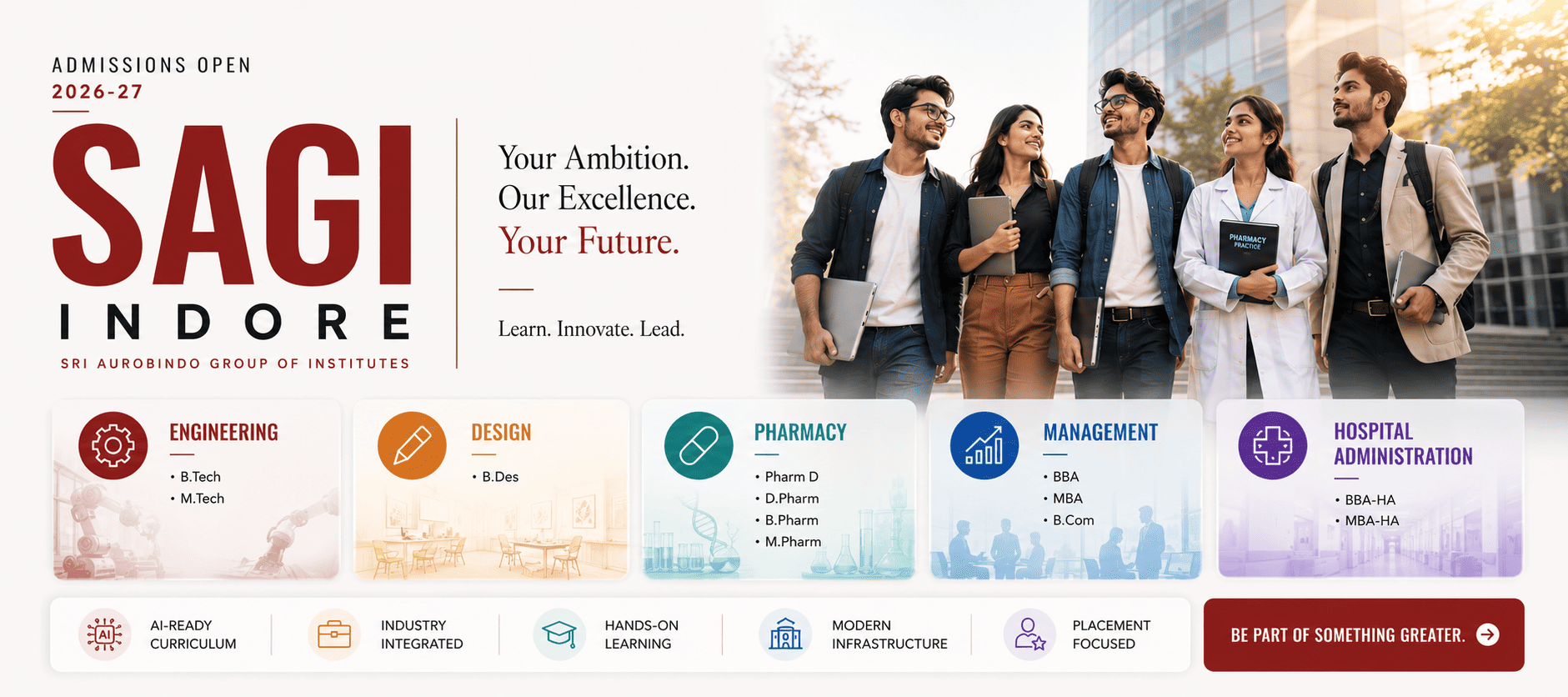
Bachelor of Pharmacy (B.Pharm)
The Bachelor of Pharmacy is a four-year undergraduate program designed to provide comprehensive knowledge of pharmaceutical sciences, drug formulation, medicinal chemistry, pharmacology, pharmacognosy, pharmaceutical analysis, hospital pharmacy, and patient care.
During the course, students learn about drug development, manufacturing processes, quality assurance, regulatory requirements, and pharmaceutical marketing while gaining practical laboratory experience.
B.Pharm graduates are eligible for careers in pharmaceutical companies, hospitals, research organizations, regulatory agencies, and healthcare institutions.
Diploma in Pharmacy (D.Pharm)
The Diploma in Pharmacy is a two-year program intended for students who wish to begin their pharmacy careers quickly.
The course provides foundational knowledge of pharmacy practice, drug dispensing, pharmacology, pharmaceutical chemistry, and community pharmacy.
After completing D.Pharm, students can work as registered pharmacists, pursue higher education such as B.Pharm through lateral entry (where applicable), or explore opportunities in hospitals, retail pharmacies, and healthcare organizations.
Eligibility Criteria
B.Pharm Eligibility
Students seeking admission to the Bachelor of Pharmacy program should have completed Class 12 with Physics, Chemistry, and Biology or Mathematics from a recognized board. Admission requirements may vary depending on institutional guidelines and applicable admission regulations.
D.Pharm Eligibility
Candidates should have completed Class 12 with Science subjects (PCM or PCB) from a recognized board. Eligibility conditions may differ according to admission policies.
Students are advised to verify the latest admission criteria before applying.
Admission Process
The admission process generally includes the following steps:
Step 1: Visit the official admission portal of the institute.
Step 2: Complete the online application form with accurate personal and academic information.
Step 3: Upload the required documents, including educational certificates, photographs, and identity proof.
Step 4: Pay the applicable application fee.
Step 5: Participate in the admission process as prescribed by the institute or applicable counseling authority.
Step 6: Upon selection, complete document verification and fee submission to confirm admission.
Skills Students Develop During Pharmacy Education
A quality pharmacy program focuses on developing both technical expertise and professional skills. Students acquire knowledge and competencies such as:
- Drug formulation and manufacturing
- Pharmaceutical analysis
- Clinical pharmacy
- Patient counseling
- Research methodology
- Quality assurance and quality control
- Pharmaceutical regulations
- Medical communication
- Critical thinking
- Problem-solving
- Teamwork
- Professional ethics
These skills prepare graduates for diverse career opportunities in healthcare and pharmaceuticals.
Career Opportunities After Pharmacy
Pharmacy graduates have access to numerous career options across public and private sectors.
Pharmacist
Registered pharmacists play a crucial role in hospitals, retail pharmacies, community healthcare centers, and clinical settings by ensuring safe and effective medication use.
Pharmaceutical Production
Production professionals supervise manufacturing processes while ensuring compliance with quality standards and Good Manufacturing Practices (GMP).
Quality Assurance
Quality Assurance professionals ensure pharmaceutical products comply with regulatory standards before reaching consumers.
Quality Control Analyst
Quality Control Analysts perform laboratory testing and analytical procedures to evaluate the safety, purity, and effectiveness of medicines.
Clinical Research
Clinical Research Associates participate in drug development, clinical trials, documentation, and regulatory compliance.
Pharmacovigilance
Professionals in pharmacovigilance monitor drug safety, collect adverse drug reaction reports, and contribute to patient safety programs.
Regulatory Affairs
Regulatory professionals coordinate approvals, documentation, licensing, and compliance with national and international pharmaceutical regulations.
Medical Representative
Medical representatives promote pharmaceutical products to healthcare professionals while building strong relationships with hospitals and clinics.
Hospital Pharmacy
Hospital pharmacists collaborate with doctors, nurses, and healthcare teams to ensure appropriate medication therapy and patient care.
Government Opportunities
Pharmacy graduates may prepare for positions in government hospitals, public health organizations, drug control departments, regulatory agencies, defense services, and public sector pharmaceutical companies, subject to applicable recruitment processes.
Higher Education
Students can further enhance their qualifications through:
- M.Pharm
- Pharm.D
- MBA in Healthcare Management
- Clinical Research Programs
- Pharmaceutical Management
- Research Programs
- International Higher Education
Higher studies often open pathways toward research, teaching, specialized healthcare roles, and leadership positions.
Placement Opportunities
The pharmaceutical industry continues to expand rapidly, creating demand for qualified pharmacy professionals across manufacturing, research, healthcare, diagnostics, biotechnology, and regulatory organizations.
Many pharmacy graduates build successful careers with leading pharmaceutical companies, hospitals, contract research organizations, diagnostic chains, and healthcare providers.
Career support activities often include:
- Campus recruitment drives
- Resume development sessions
- Aptitude and interview preparation
- Personality development workshops
- Industrial training
- Internship assistance
- Career counseling
- Soft skills training
These initiatives improve students' employability and confidence before entering the workforce.
Future Scope of Pharmacy
The pharmacy profession has evolved significantly over the last decade. Today, pharmacists contribute not only to medicine dispensing but also to drug discovery, biotechnology, clinical research, healthcare management, pharmaceutical analytics, and patient counseling.
Emerging fields creating new opportunities include:
- Biotechnology
- Personalized medicine
- Artificial Intelligence in drug discovery
- Digital healthcare
- Pharmaceutical data analytics
- Telepharmacy
- Medical writing
- Healthcare consulting
- Pharmaceutical entrepreneurship
As healthcare infrastructure continues to expand in India and globally, pharmacy professionals are expected to remain in high demand.
Frequently Asked Questions
Which is the best pharmacy college in Indore?
The ideal pharmacy college depends on factors such as academic quality, faculty, infrastructure, practical training, industry exposure, placement support, and student outcomes. Students should evaluate these aspects before making a decision.
Is NEET required for B.Pharm?
Admission requirements vary by institution and applicable regulations. Students should check the latest admission guidelines of their preferred college.
Can PCB students pursue B.Pharm?
Yes. Students with Physics, Chemistry, and Biology are generally eligible for B.Pharm, subject to institutional eligibility criteria.
What is the duration of B.Pharm?
The Bachelor of Pharmacy program is typically completed in four years.
What is the duration of D.Pharm?
The Diploma in Pharmacy program is generally completed in two years.
Is pharmacy a good career?
Yes. Pharmacy offers diverse opportunities in healthcare, pharmaceuticals, research, manufacturing, quality assurance, regulatory affairs, hospitals, and entrepreneurship, making it a promising career choice.
Conclusion
Choosing the right pharmacy college is an investment in your future. A strong institution should provide quality education, experienced faculty, advanced laboratories, industry exposure, research opportunities, internships, and placement support that prepare students for successful careers in the pharmaceutical and healthcare sectors.
For students looking for a pharmacy college in Indore that emphasizes academic excellence, practical learning, professional development, and career readiness, Sri Aurobindo Institute of Pharmacy offers a learning environment designed to help students achieve their goals. By combining classroom knowledge with hands-on training and industry interaction, the institute prepares graduates to meet the evolving demands of the pharmaceutical profession and build rewarding careers in India and beyond.
Latest News and Events